Roscón de Reyes - A Sweet Story Woven Through Time
Every January in Nerja, bakery windows quietly tell a familiar and much-loved story. Golden rings of roscón de Reyes appear, crowned with jewel-bright candied fruit, lightly scented with orange blossom, and filled with anticipation as much as cream. This is not just a cake. It is history, ritual, and togetherness baked into one beautiful tradition.
The story of the roscón begins long before Spain as we know it today. Its roots reach back to Ancient Rome and the winter celebrations of Saturnalia, when people gathered to feast, celebrate the turning of the year, and share round cakes with a hidden bean inside. Finding the bean was considered a sign of luck and prosperity for the year ahead. As Christianity spread across Europe, this joyful custom was gently reshaped and woven into the celebration of Epiphany on the 6th of January, marking the arrival of the Three Kings bearing gifts.
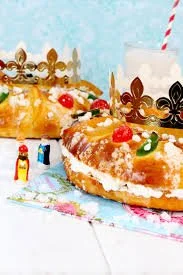
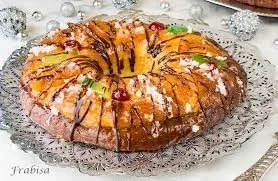
By the Middle Ages, the roscón de Reyes had taken on the symbolic form we recognise today. Its circular shape came to represent eternity and unity, while the brightly coloured candied fruits were said to mirror the jewels of a royal crown. In Spain, the recipe evolved into a soft, brioche-style dough, enriched and perfumed with orange blossom water - a flavour deeply connected to Andalusian citrus groves and winter harvests.
Inside every roscón lies a moment of suspense and laughter. Traditionally, two surprises are hidden within. One is a small figurine, often a king, which crowns the finder as king or queen of the day. The other is the humble bean, a direct echo of Roman times, and the person who finds it is usually tasked with buying the roscón the following year. It’s a ritual that turns dessert into a shared experience, especially cherished by children and families gathered around the table.
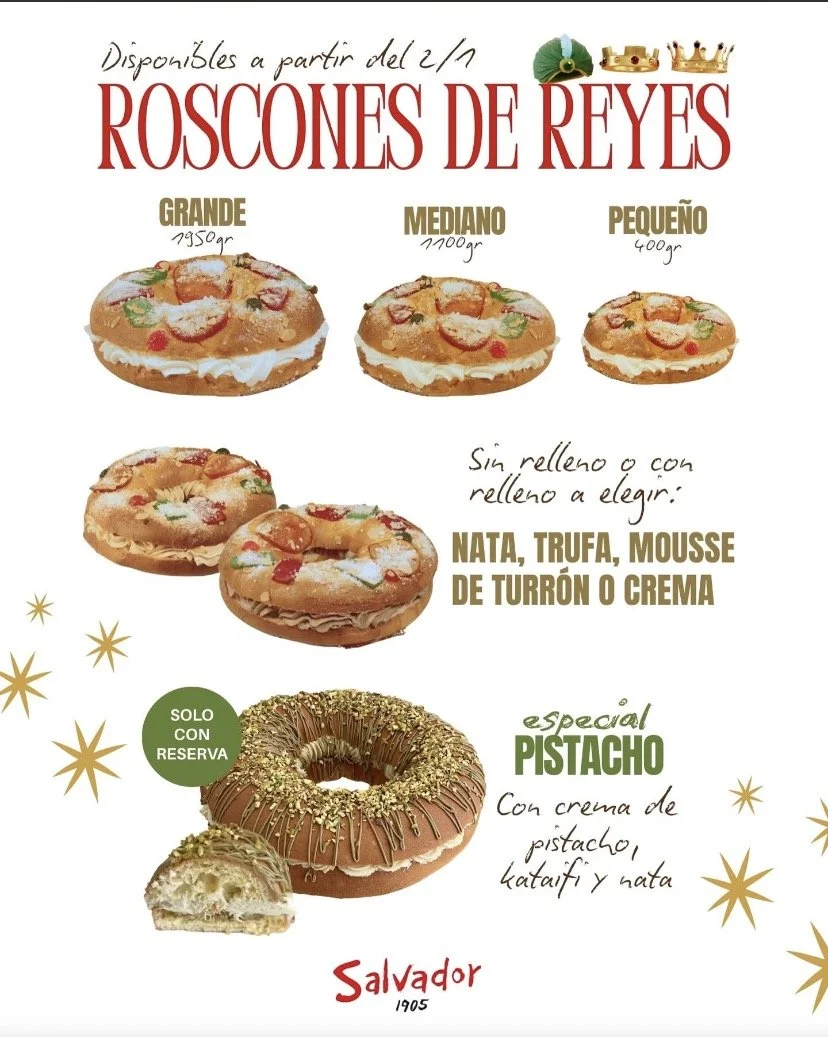
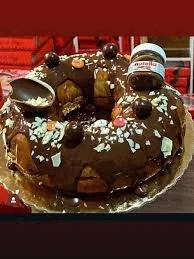
While tradition remains at the heart of the roscón, today it has also become a canvas for creativity. In Nerja, local bakeries proudly honour the classic recipe while offering modern twists that reflect changing tastes and a love of indulgence. At all major supermarkets you can find them, and local Panadería Salvador, a much-loved name in the town, the roscón is available in a wide range of flavours alongside the traditional unfilled version. Fresh cream remains a favourite, light and comforting, while truffle offers a richer, more indulgent option. Custard-filled versions bring a nostalgic softness, while turrón-inspired fillings nod to other beloved Spanish Christmas sweets. For those with a sweeter tooth, meringue and chocolate-hazelnut styles have become especially popular, and in recent years pistachio has made a seasonal appearance, adding a modern, elegant twist to the classic crown.
Today, the roscón de Reyes is inseparable from winter life in Nerja. It’s shared after the Cabalgata of the Three Kings, enjoyed slowly with coffee or hot chocolate, and marks the gentle closing of the Christmas season. Like so many traditions here, it isn’t about perfection or strict rules. It’s about gathering, sharing, and celebrating continuity — a reminder that some of the most meaningful rituals are the ones that return to us year after year, slightly changed, but always familiar.
✨ Discover more local traditions, bakeries, and seasonal stories- because some traditions are best enjoyed slowly, with good company and a little sugar on your fingers.