Semana Santa - The Flavours and Drinks of Easter Celebrations
Easter in Spain is not only seen and heard - it is tasted.
During Semana Santa, while candlelight flickers against whitewashed walls and the slow rhythm of drums moves through the streets, another tradition quietly unfolds in kitchens, bakeries and cafés across the country. The food of Easter is rooted in faith, season and history. It is simple, comforting and deeply connected to the rhythm of Lent.
For centuries, many families avoided meat during Holy Week, especially on Good Friday. From this tradition came some of Spain’s most beloved seasonal dishes.
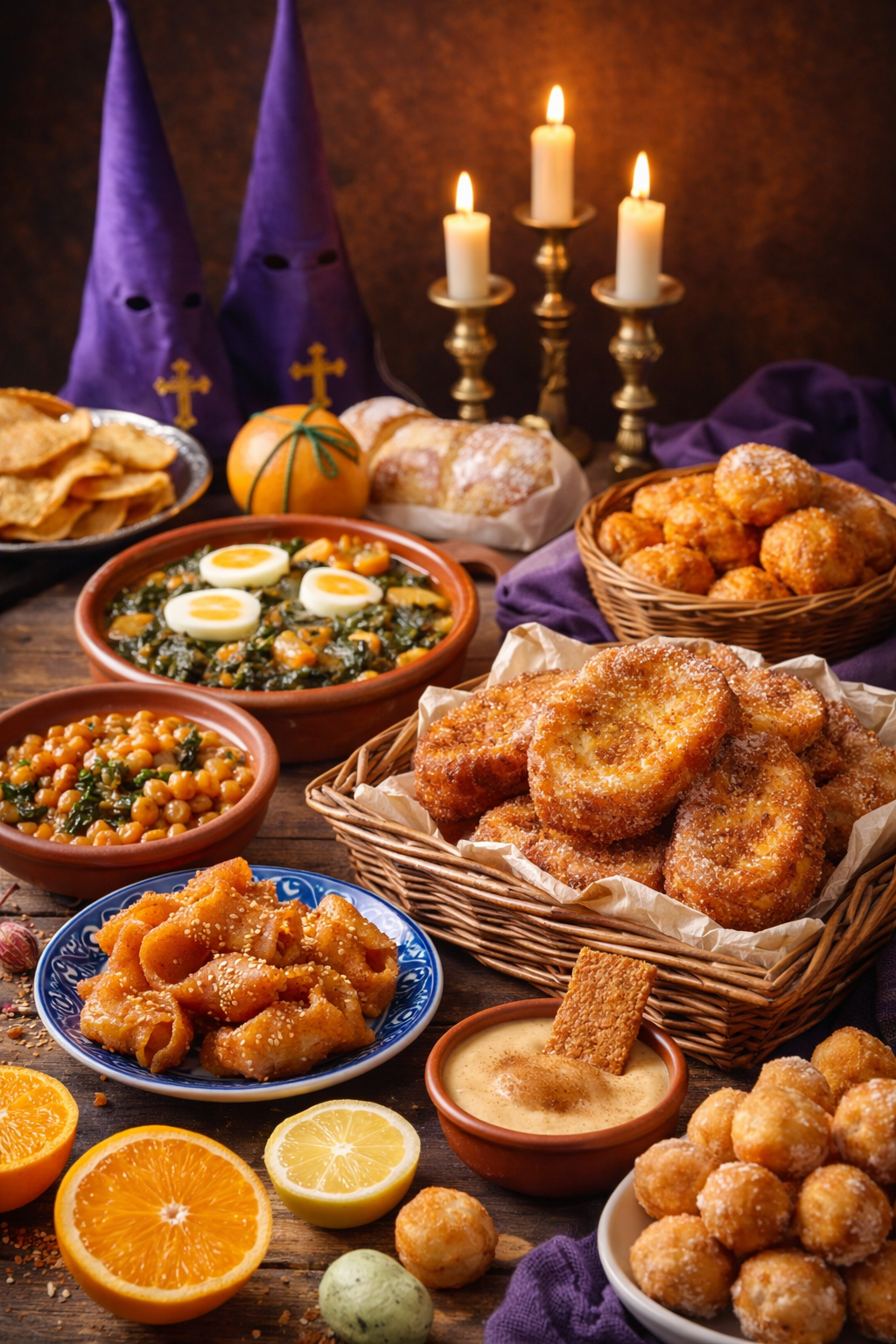
Torrijas; One of the most iconic is torrijas. At first glance, they resemble French toast — thick slices of bread soaked in milk, sometimes infused with cinnamon or citrus peel, dipped in egg and fried until golden. But torrijas are richer, softer, and finished with honey or sugar. They appear in bakery windows only during Lent and Easter, making them feel special and fleeting. In Nerja and throughout Andalucía, you will find them in local panaderías and traditional cafés during Holy Week.
Pestiños; These small pastries carry echoes of Moorish influence, flavoured with anise and sesame, fried and then coated in honey or sugar syrup. Their aroma is unmistakable. In southern Spain, they are especially associated with Easter and Christmas, and many families still prepare them at home. Local bakeries across the Axarquía will have trays of them during Semana Santa.
Bacalao; Because meat was traditionally avoided, salt cod - bacalao - became the centrepiece of many Easter meals. Bacalao appears in different forms: gently cooked with olive oil and garlic, simmered in tomato sauce, or combined with chickpeas and spinach in a comforting stew known as potaje de vigilia. This hearty dish, made with garbanzos, greens, paprika and cod, is one of the most traditional Lenten recipes. During Holy Week, many restaurants feature bacalao dishes as seasonal specials.
Buñuelos; Light, airy fritters often dusted with sugar or filled with cream. They are another sweet treat that appears during Lent, perfect with coffee or hot chocolate after an evening procession.
The drinks of Easter are less formal but just as meaningful.
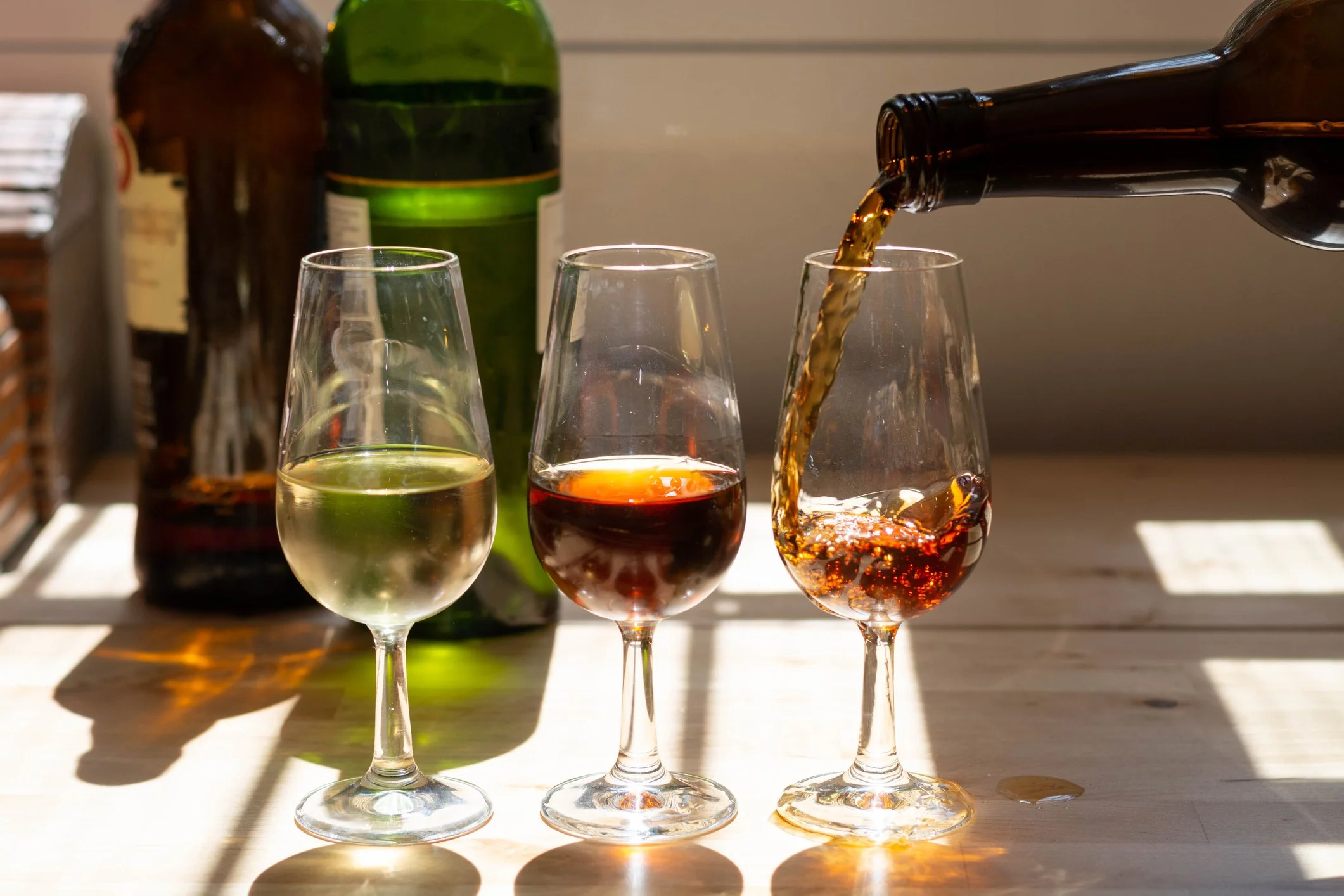
In Málaga province, sweet Moscatel wine is a beautiful companion to Easter desserts. This local wine, naturally sweet and aromatic, pairs perfectly with torrijas and honey-coated pastries. In Nerja and the Axarquía, enjoying a small glass of sweet wine during Easter feels authentically local. You will find it in restaurants, traditional bodegas and supermarkets throughout the season.
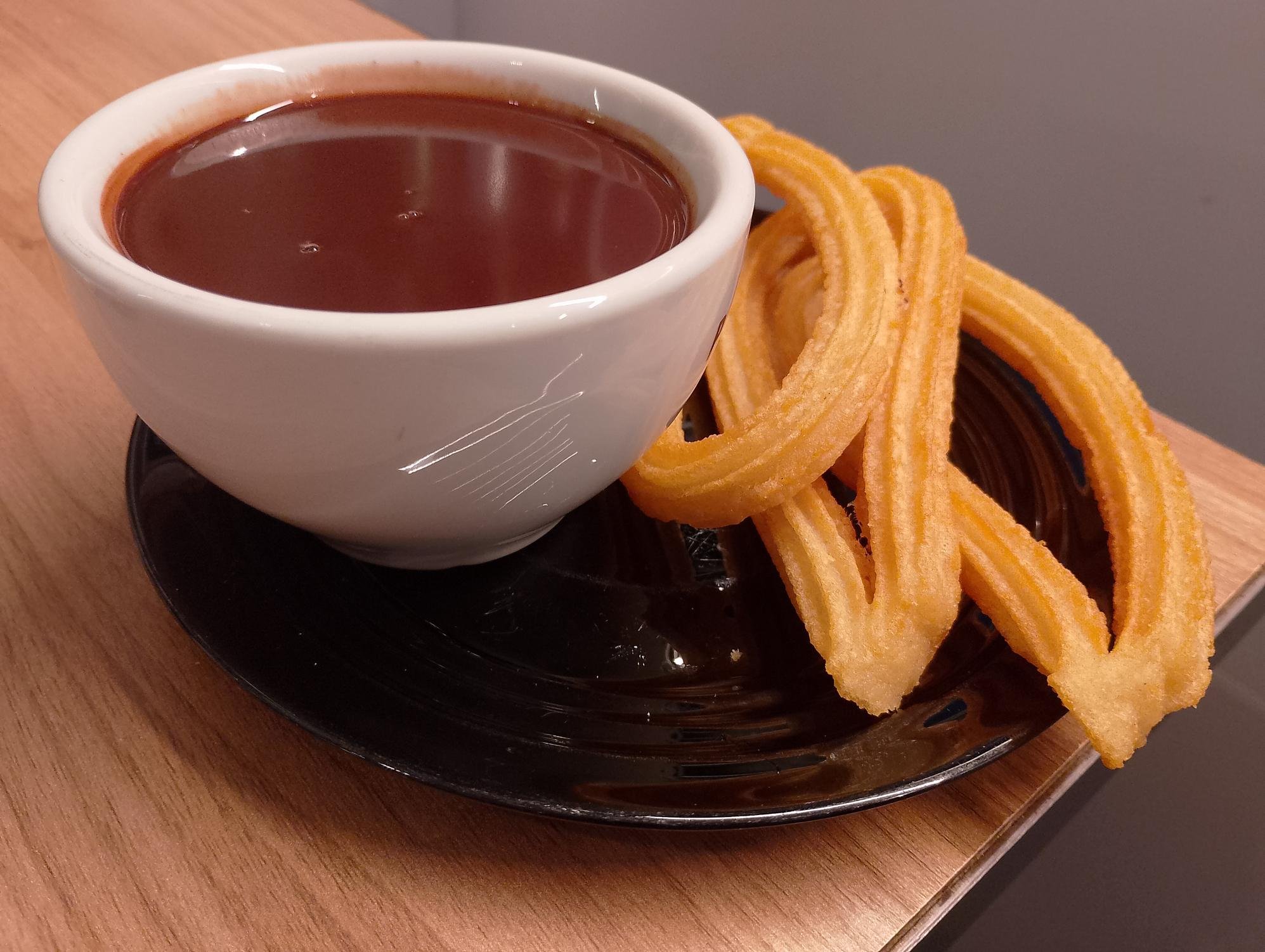
On cooler Holy Week evenings, many people stop for thick Spanish hot chocolate after watching processions. Unlike lighter versions elsewhere, Spanish chocolate is dense and rich, often served with churros for dipping. Around the Balcón de Europa and in Nerja’s old town cafés, it becomes part of the quiet ritual of ending the night.
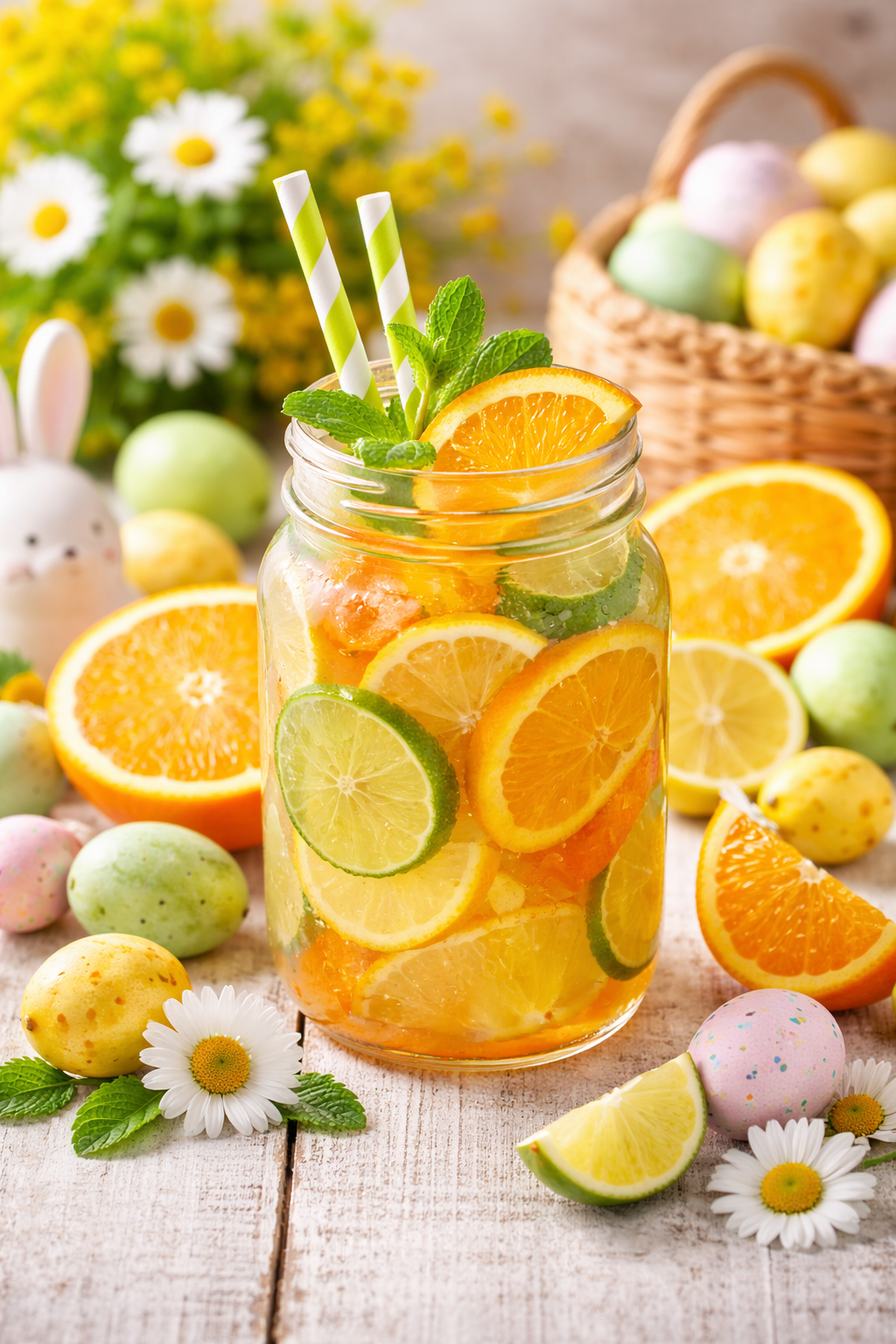
Spring also means citrus season lingers in Andalucía— bright, simple and perfectly suited to Easter mornings on a sunny terrace.
And of course, in coastal towns like Nerja, modern Mediterranean life blends naturally with tradition. Between processions, terraces fill with visitors enjoying a cold cerveza, a glass of crisp white wine, or a tinto de verano in the afternoon sun. While not rooted in religious custom, these drinks are very much part of the Easter atmosphere here.
Easter flavours in Spain are not extravagant or overly decorative. They are grounded in history, shaped by faith, influenced by Moorish heritage and Mediterranean abundance. Honey, olive oil, cinnamon, citrus, salt cod, sweet wine — ingredients that tell the story of Andalucía itself.
It is a season where devotion and daily life sit side by side — and where the simplest flavours often carry the deepest tradition.