Sauna Finland - Healing in Steam and Silence
Finnish Sauna Culture: Where the Tradition Begins
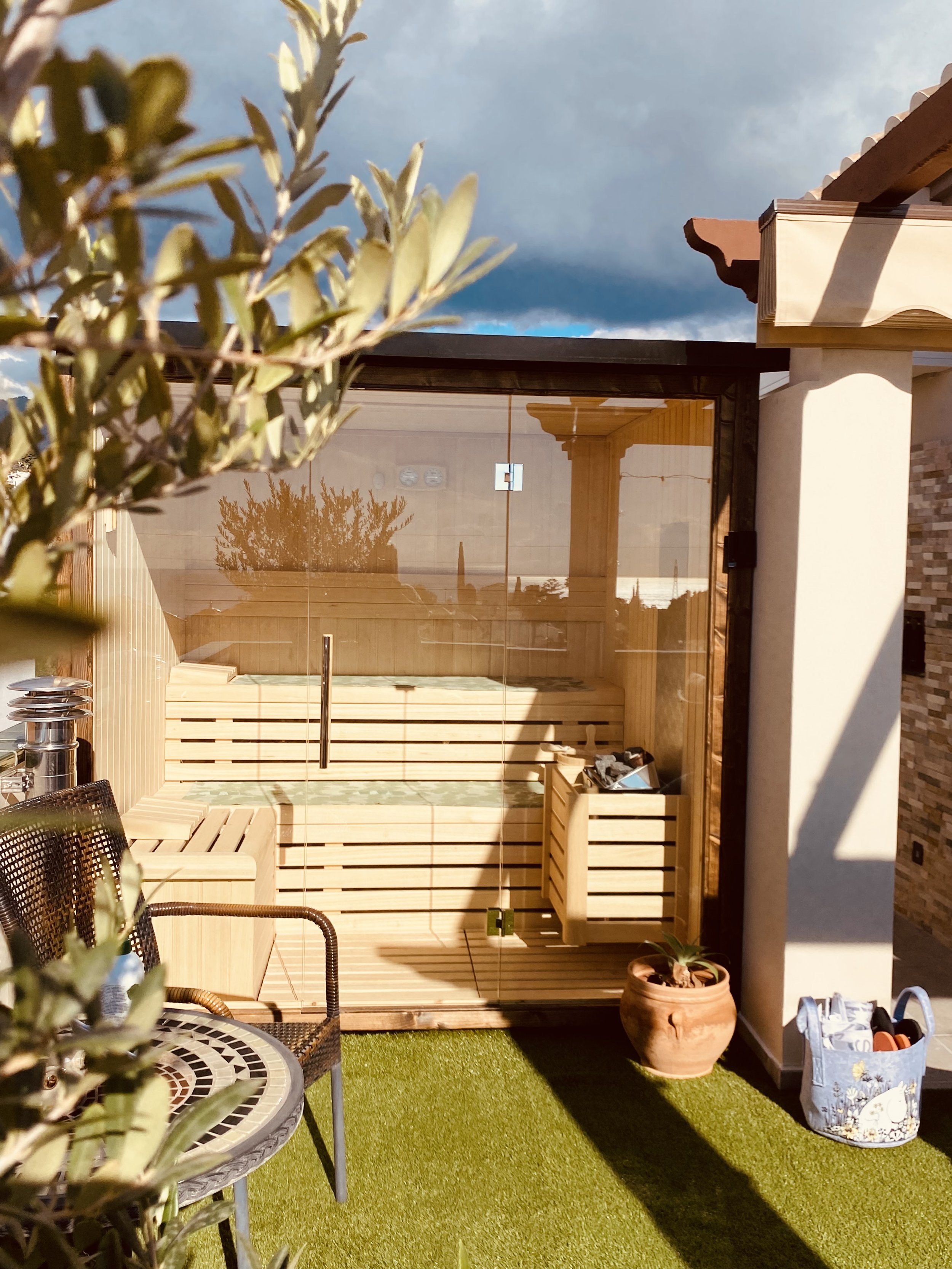
Long before modern homes had bathrooms, Finland had the sauna. Many sources describe the earliest Finnish saunas as simple heated pits in the ground, used after the Ice Age, and you will often hear the tradition dated to around 10,000 years ago. Over time those early “earth saunas” evolved into smoke saunas, then wood-heated buildings, and finally the electric saunas that sit even in city apartments today. However modern the design becomes, the feeling remains ancient: this is a place for cleansing, quiet, and coming back to yourself.
Finland is often called the land of saunas for a reason. Estimates commonly sit around 3 million to 3.2 million saunas in a country of around 5.5–5.6 million people. Traditionally in Finland, when a family settled on new land, the sauna was often the first building they put up - a warm, practical place to wash, heal, and manage daily life while the rest of the home was built, means sauna is not something you “book” or “go try”. It is something you grow up with, something you return to, something that quietly shapes daily life.
A Threshold Within and Beyond
Sauna culture is practical on the surface: heat the sauna, wash, cool down, repeat. But under that simplicity lives something older. The sauna has long been understood as a threshold, not only between heat and cold, or indoors and outdoors, but between different states of being. You enter carrying the noise of daily life, and you leave lighter, clearer, and more grounded inside yourself.
In older Finnish thinking, the sauna could also be a meeting point between worlds. A protected setting where the spiritual and the everyday lived side by side, where silence mattered, where unseen forces were respected. Not in a dramatic way, but in a calm, humble way. The sauna asked you to behave carefully, speak gently, and listen, as if the warmth itself held awareness.
A Place of Deep Respect
Traditionally, the sauna was one of the most respected spaces in a Finnish home. It was often the cleanest, the most protected, and the most honoured. In older rural life, the sauna held life’s big moments too. People washed the dead there. Women gave birth there, as it was the cleanest and warmest place in the house. These were not “spa vibes”. This was survival, hygiene, and spiritual housekeeping woven into one.
That history still lingers in how many Finns behave in the sauna today, with calmness, modesty, and a certain gentle seriousness. Not heavy seriousness, more like reverence. The sauna asks you to be real. It is not a place for showing off. It is a place for being human.
Löyly: The Spirit of the Steam
If there is one word that holds the heart of Finnish sauna culture, it is löyly. Löyly is the steam that rises when water hits hot stones, but it also carries the sense of a living presence, a breath. In older beliefs, löyly was almost like the sauna’s life-force, something you treat with care. You don’t waste it. You don’t shout over it. You don’t fight it. You respect it, and you let it do its work. That is why Finnish sauna etiquette often feels so intuitive. Quiet voices. No drama. No rushing. The heat teaches you patience.
Generations in the Steam
One of the most moving parts of Finnish sauna culture is how naturally it is passed down. Children often go to sauna from a very young age, gently introduced to the warmth and the rhythm, sitting with parents, grandparents, and siblings. It becomes intergenerational time in its purest form: a place where people are together without performance, without fuss, just sharing warmth, quiet, and belonging. For many Finns, some of the earliest memories of safety and love are tied to the sound of water on stones, the soft light, and the presence of older family members nearby.
And when you step out afterwards, refreshed and slightly glowing, there’s a charming phrase you might hear or say: “Terveisiä saunasta!” In English it’s “Greetings from the sauna,” a cheerful little line that carries the feeling of having come from somewhere good, somewhere that has done you well.
Nature Is Part of the Ritual
For many Finns, sauna is inseparable from nature. It is not only what happens in the warmth, but what happens around it. The cool air on your skin when you step outside. The lake, the sea, the river, or snow under bare feet. The pause on the steps listening to wind in the trees. This cycle of warming up and cooling down is grounding, elemental, and deeply Finnish. It returns you to the elements, and it reminds you that the body belongs to the natural world.
That is one reason why country cottages (mökit) are so loved. The mökki lifestyle, often by a lake, is a return to simple living: wood to chop, water to carry, coffee by the shoreline, quiet that sinks into the bones, and the sauna heating slowly in the evening. The cottage sauna is not a “feature”. It is the heart of the visit. Even people who live in cities will often escape to a family cottage when they can, because the combination of sauna, nature and stillness is one of Finland’s strongest ways of healing and recuperating from a busy world.
Folklore, Guardians, and the Sauna Tonttu
Finnish folklore does not treat the sauna as ordinary. It comes with unseen rules and an old sense of respect. People used to say you should not argue in the sauna, and you should not behave disrespectfully. Not because someone would scold you, but because the sauna was believed to have its own order. A kind of spiritual hygiene that matched the physical one. You leave clean in body, and you tried to be clean in intention too.
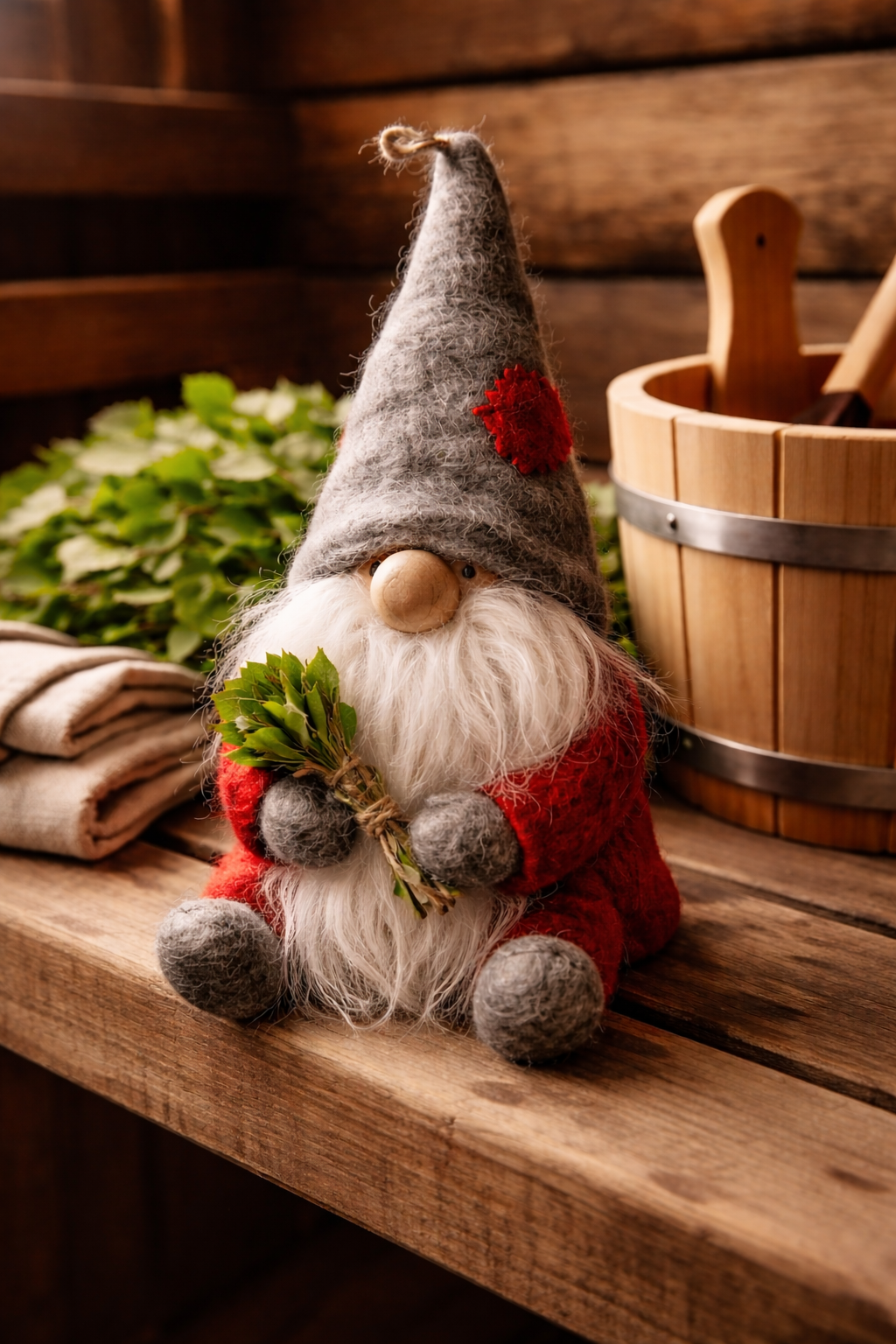
And then there is the most charming, and slightly stern, figure in the sauna world: the sauna tonttu. This is a household spirit, a small guardian associated with the sauna. Think of it as part protector, part caretaker, and part quiet enforcer of good sauna manners. In folk belief, the sauna tonttu lived in or near the sauna, watching how people treated the place. If the sauna was respected, the tonttu could bring protection and good luck. If people behaved badly, treated the sauna carelessly, or were noisy and rude, the tonttu might cause trouble. Not horror-movie trouble, more like the sauna not heating properly, accidents happening, or things feeling oddly “off”. In old stories, the tonttu could be downright strict if the sauna was misused or mocked. The deeper message is simple and beautiful: act like you are a guest in a place that matters.
In some traditions, people left small offerings for the sauna tonttu, especially around wintertime and seasonal turning points. A little gesture of thanks, a sign that the household remembered the unseen forces that helped daily life run smoothly. Even if modern Finns do not literally leave porridge in the sauna today, the spirit of the tradition survives in how carefully the sauna is still treated: kept clean, heated properly, and entered with mindful humility.
Birch Rituals: Vasta and Vihta
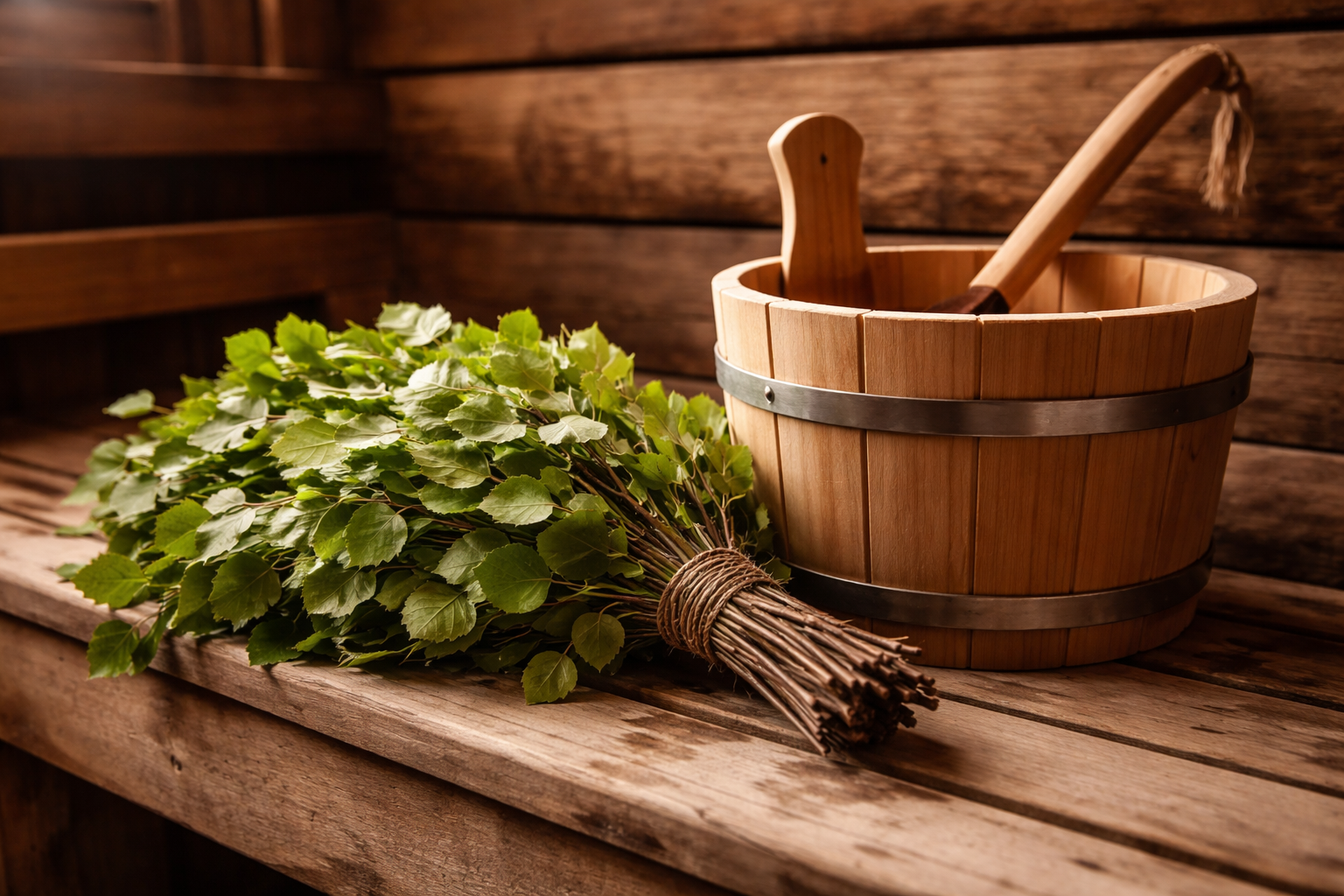
Alongside löyly comes a ritual that feels like pure forest medicine: the birch whisk. Known as vihta in western Finland and vasta in the east, it’s a bundle of birch twigs, usually soaked in water, used to gently tap or brush the skin during the sauna. To an outsider it can look unusual, but it is deeply comforting. The movement wakes up circulation, the leaves release their clean green scent, and the whole body feels more alive. It is not about pain or punishment. It is about renewal.
There is also something quietly symbolic about it. Birch is a tree of the Nordic landscape, familiar and resilient. Bringing birch into the sauna is like bringing the forest into your ritual, weaving nature directly into the experience. In summer, when birch is fresh, making a vihta or vasta can be a tradition in itself.
Terva: The Scent of Pine and Smoke
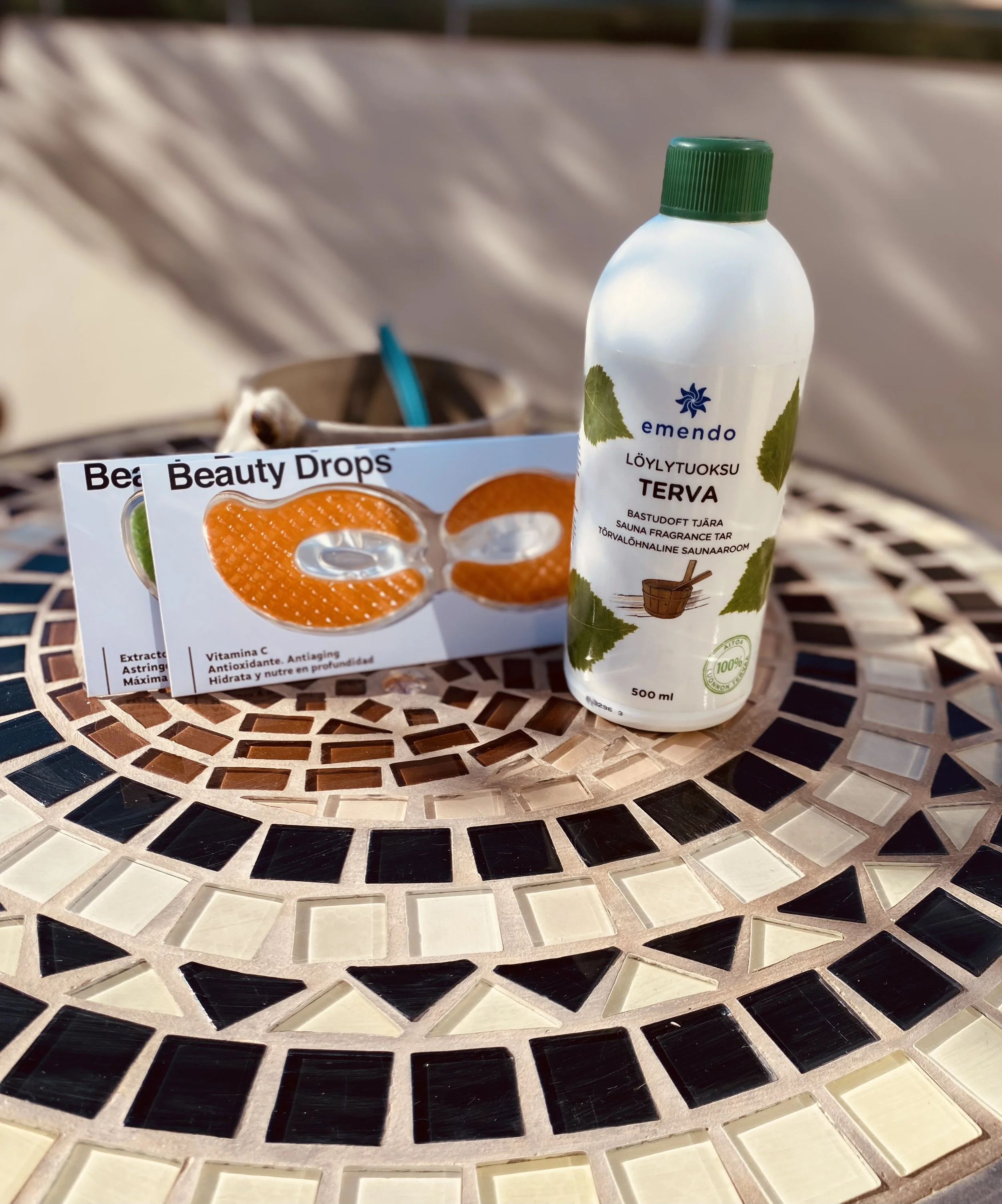
Another old and very Finnish element is terva, usually translated as pine tar in English. It has a deep, smoky, resinous scent that instantly evokes fire, wood, and the forest after rain. Traditionally, a few drops could be added to water and used in the sauna to create a rich aroma that feels earthy and comforting.
In older times, some people also washed themselves with pine soap, and pine tar was valued for its cleansing and protective reputation. Even today, the scent of terva can feel like nostalgia in liquid form for many Finns, like stepping straight into a memory of a lakeside sauna warming up at dusk.
A Global Thread: Sauna Beyond Finland and Other Indigenous Heat Traditions
Finland is not the only place where heat is seen as healing and spiritually cleansing. Many Indigenous cultures around the world have their own sweat traditions, where warmth, purification, and reflection are central. The structures and customs differ, but the human instinct is shared: heat can cleanse more than the body, it can steady the spirit, and it can create a space where people meet themselves more honestly.
What’s beautiful is how sauna culture has travelled too. In the United States, there are Finnish sauna communities and associations led by Americans with Finnish descent, carrying traditions across generations and geography. In Germany, sauna culture has become so popular that “Aufguss” rituals can be highly organised, and some people even train and become certified Sauna Masters, turning the sauna experience into a crafted ceremony.
And yet, this is where the Finnish essence is different. For Finns, sauna is not mainly an event. It is not a show. It is everyday living, an ancient ritual deeply rooted in society. It belongs to everyone. In Finland, you could say with a small smile that everyone is a sauna master.
Wellness, Health, and Brain Benefits
Sauna is loved because it genuinely helps people feel better. The heat relaxes muscles, eases tension, and can support deeper sleep. The warm–cool contrast can feel both calming and energising, and many people experience the sauna as a nervous-system reset, a gentle way of shifting out of stress mode and back into balance.
There is also widely discussed research from Finland suggesting that more frequent sauna bathing is associated with a lower risk of dementia and Alzheimer’s disease. It is not a guarantee and it does not prove sauna “prevents” disease, but it is an intriguing association that has added to the modern understanding of sauna as a long-term wellbeing practice.
In the soft hiss of löyly, sauna becomes more than a tradition. It becomes a return: to the body, to nature, to silence, and to the sense that life includes more than what we can see. And when you step out into the cool air afterwards, grounded and glowing, you can smile and say it the Finnish way: Terveisiä saunasta.
Harvia is a Finnish sauna company founded in 1950, known worldwide for sauna heaters and complete sauna solutions.
“Many sauna lovers say the best Finnish saunas start with a Harvia heater.”
Official website: https://www.harvia.com/en/
Official contact page: https://www.harvia.com/en/contact/
Harvia Support: https://support.harvia.com/
Spain site: https://harvia.es/
Spain contact page: https://harvia.es/contacto/