The forgotten story of the sugar cane fields, historic mills and waterways that helped shape the Nerja we know today.
If you stand near El Chaparil on a warm Nerja afternoon and let your imagination drift beyond the traffic and school bells, you can almost sense another Nerja beneath the surface — a Nerja of wooden carts, factory chimneys and tall green stalks swaying in the sea breeze.
Long before beach umbrellas and balcony sunsets defined this coastline, sugar cane did. For centuries, it was one of the region's most valuable crops — our own sweet gold.
And behind it all was something even more important: water.
Water and the Moorish Foundations
Sugar cane cultivation in southern Spain dates back to the period of Muslim rule, when irrigation knowledge and agricultural techniques helped transform the landscape.
With its mild winters, Mediterranean sunshine and mountain streams flowing from the Sierra Almijara, the Axarquía offered favourable conditions for cultivation.
Networks of acequias — traditional irrigation channels — carried water to fertile coastal plains. Following the Christian conquest in the late 15th century, many of these agricultural traditions continued and developed.
Water determined where crops grew, where people settled and, eventually, where mills and factories were built.
Without water, there would have been no sugar industry on this scale.
The Early Sugar Mills
By the late 1500s, sugar production was becoming an important part of Nerja's economy.
Among the earliest known establishments was the Ingenio de San Antonio Abad, associated with the Río Chíllar and documented as operating by the 1590s. Maro also developed its own sugar mills during this period.
These early establishments were relatively simple compared with the industrial factories that followed. Water-powered machinery crushed harvested cane, extracting juice that was then boiled and concentrated.
Around the mills grew a working community of farmers, labourers, craftsmen and families whose livelihoods depended on the harvest.
Sugar was more than a crop. It shaped local employment, landownership and everyday life.
The Industrial Age: San José and the Larios Family
During the 19th century, sugar production entered a new industrial era.
Several mills and factories operated around Nerja, but one of the most important was the San José sugar factory, developed in the El Chaparil area around 1870 and acquired by the influential Larios family in 1873.
For generations, cane arrived from surrounding fields by cart, while industrial machinery processed the harvest into sugar and related products.
The factory became an important source of employment, its activity forming part of the rhythm of daily life in Nerja.
San José finally closed in 1968, as the sugar industry declined and tourism transformed the coastline. Competition from cheaper imported sugar, including from the Americas, and the rise of sugar beet production also contributed to the industry's decline.
The former industrial site would eventually find a new purpose in education — another example of Nerja reinventing itself.
Maro and the Haunting Ruins of San Joaquín
Maro played an equally important role in the region's sugar history.
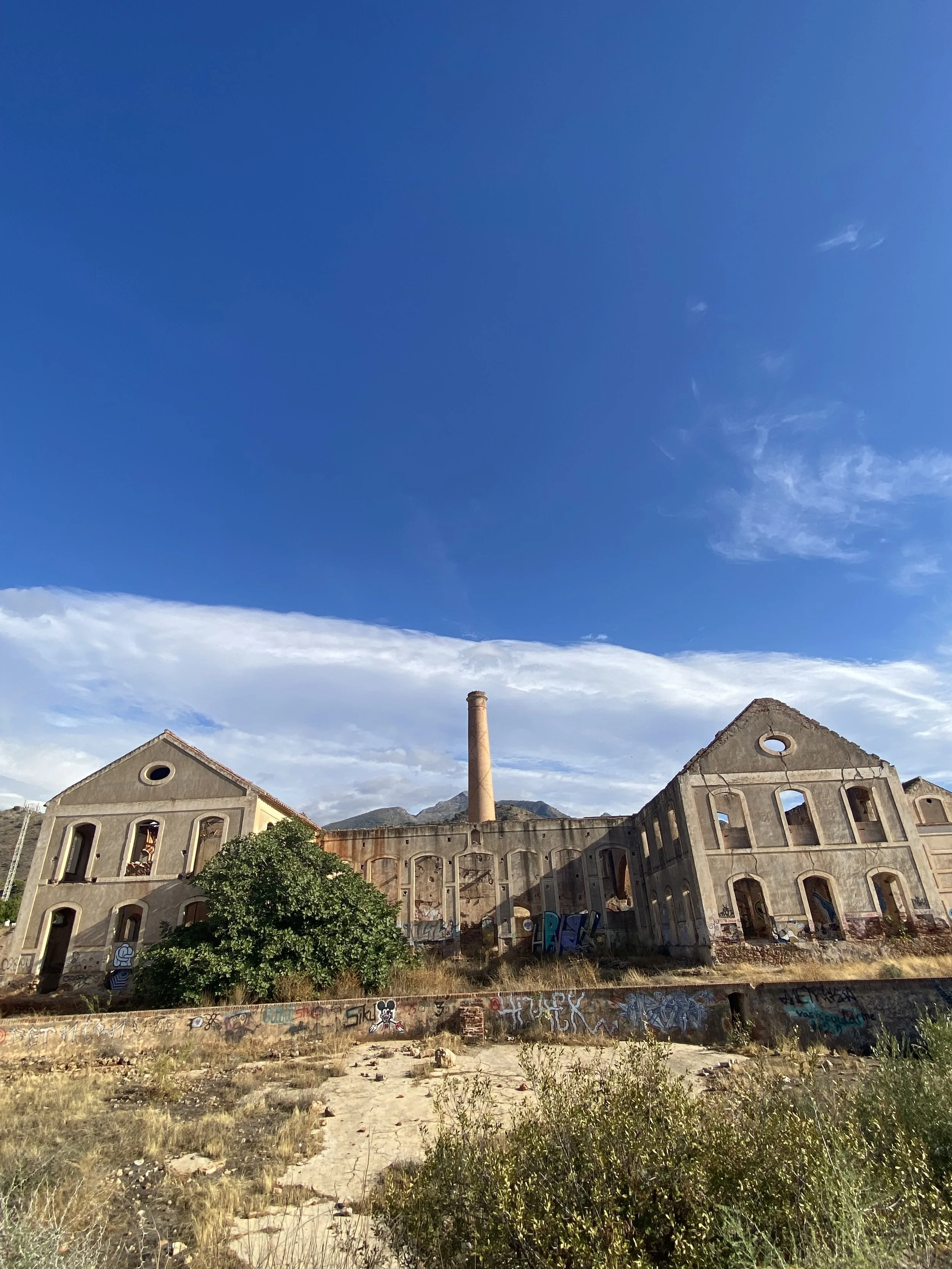
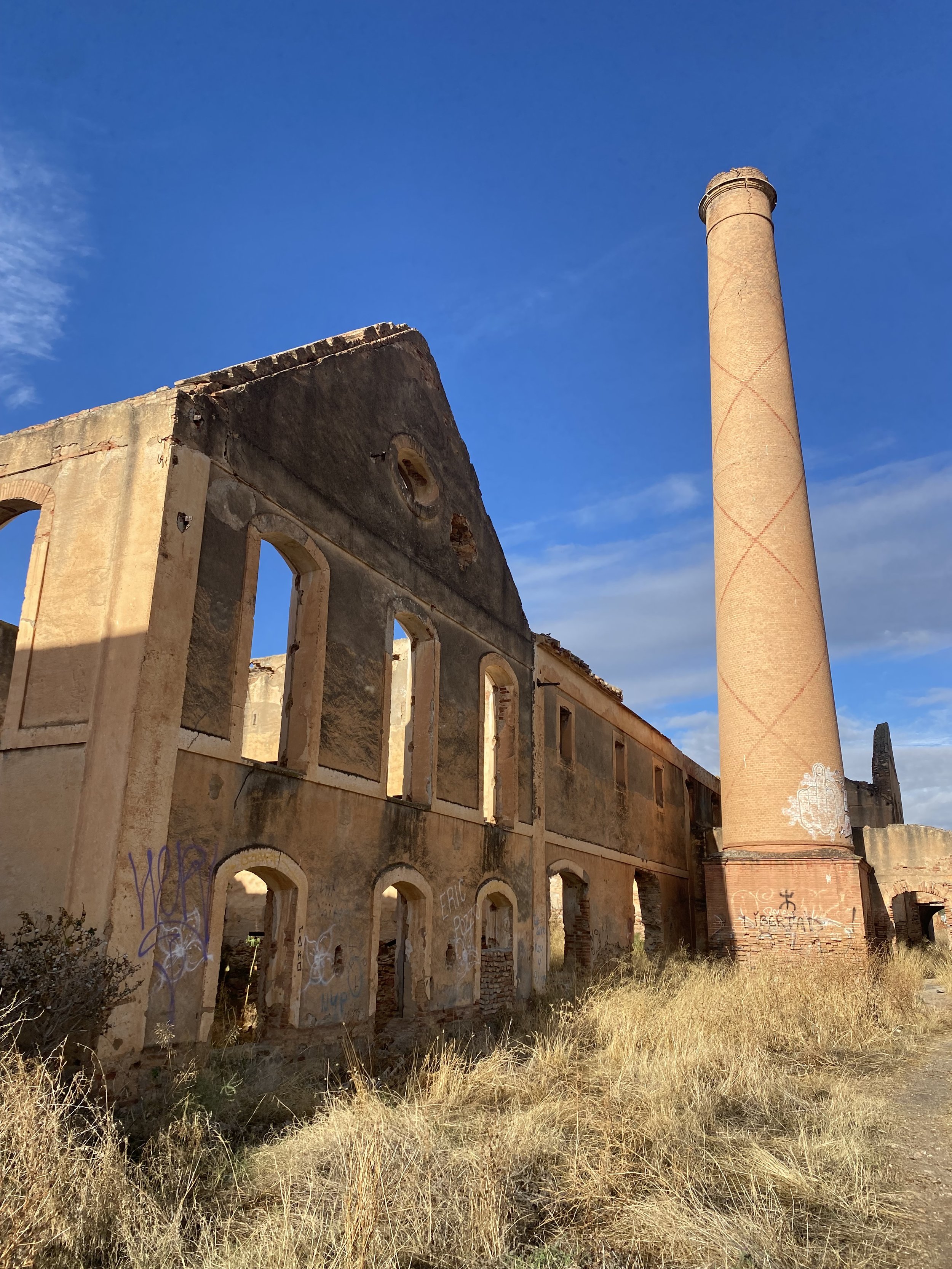
One of its most remarkable industrial landmarks is the former San Joaquín sugar factory, built in the late 19th century as part of the ambitious agricultural estate of Las Mercedes.
The enterprise was associated with Joaquín Pérez del Pulgar and included not only the factory but also workers' housing, a manager's residence, extensive sugar cane fields and an impressive system for supplying water.
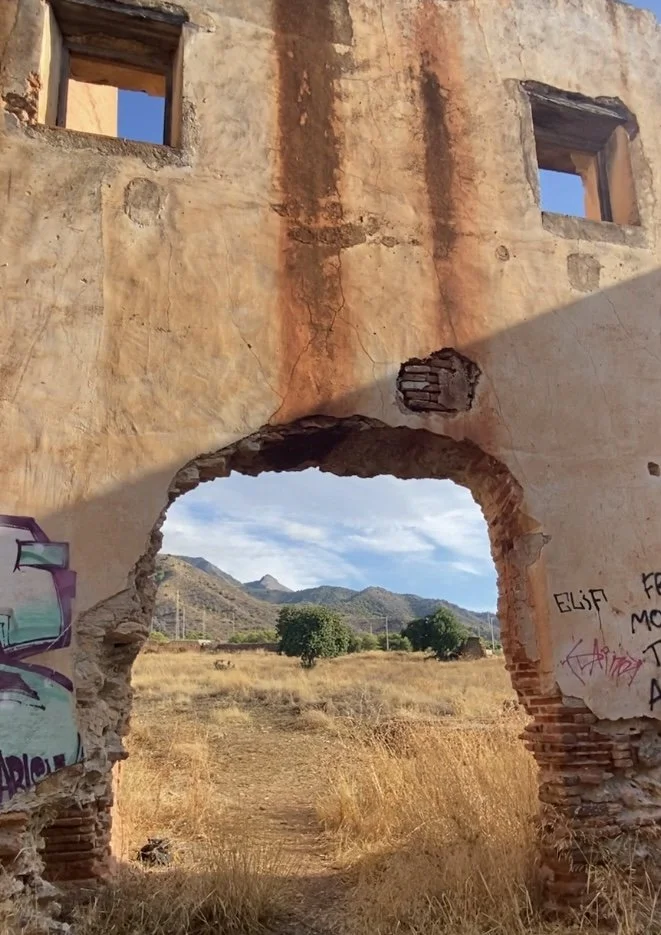
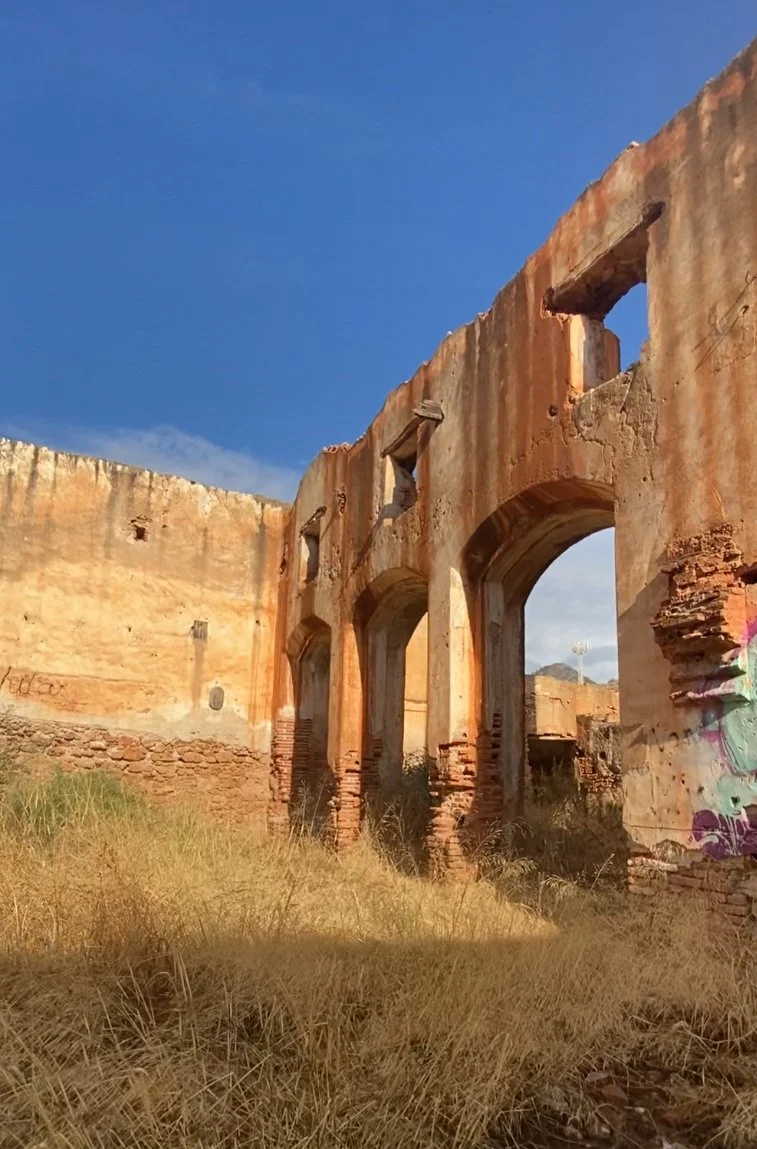
Today, the remains of San Joaquín are among the most atmospheric reminders of the region's industrial past.
Weathered walls, abandoned factory buildings and the surviving chimney stand quietly in the countryside, slowly being reclaimed by nature.
There is something both beautiful and slightly eerie about the ruins. Once a busy place of machinery, workers and production, today it is largely silent — a haunting reminder of another era.
See photos below of the fascinating remains of San Joaquín, where you can almost imagine the sounds and activity of the old sugar factory.
Nearby, the magnificent 19th-century Acueducto del Águila remains another striking reminder of this history. Built to carry water for irrigation and sugar production, its elegant tiers of arches were not simply decorative — they formed part of the infrastructure that made the enterprise possible.
Together, these surviving structures tell the story of a landscape once shaped by agriculture, industry and the people whose livelihoods depended upon them.
From Sugar Cane to Avocados
As sugar production declined during the 20th century, the agricultural landscape gradually changed.
Some land was developed for tourism, while other areas moved towards different crops.
Over time, avocados and mangoes became increasingly important across the Axarquía, including agricultural areas around Lagos, Torrox and Vélez-Málaga.
Not every subtropical plantation occupies former sugar cane land, but the connection between the two agricultural eras is clear.
Both depend on the region's favourable climate and, crucially, reliable irrigation.
Today, recurring droughts and pressure on water resources remind us that this dependence has never disappeared.
Different crops. Different markets. Same fundamental need for water.
A Living Legacy: Miel de Caña in Frigiliana
One remarkable connection to this history survives in the very heart of Frigiliana.
The historic Ingenio Nuestra Señora del Carmen continues producing traditional miel de caña — the rich, dark syrup made from sugar cane.
The site's sugar-making tradition stretches back centuries, with the present mill developing during the 18th century. It remains a remarkable example of living industrial heritage.
And when we drizzle miel de caña over crispy fried aubergines, we are tasting a little piece of that history.
Nerja's True Heritage
Sugar cane helped shape Nerja's agriculture, industry, employment and landscape. But the town never stood still.
From Moorish irrigation knowledge to early sugar mills, from industrial factories to subtropical fruit cultivation and tourism, each era has left its mark.
Water still flows through the valleys.
The mountains still gather rain.
The Mediterranean sun still warms the fertile land.
Crops change. Owners change. Economies shift.
But the relationship between water, land and people remains.
Beneath the beaches and sunsets lies another Nerja — a story of water, soil, industry and reinvention. And that is part of the deeper heritage of the place we love today.