Fun Q&A - Do You Know the Axarquía?
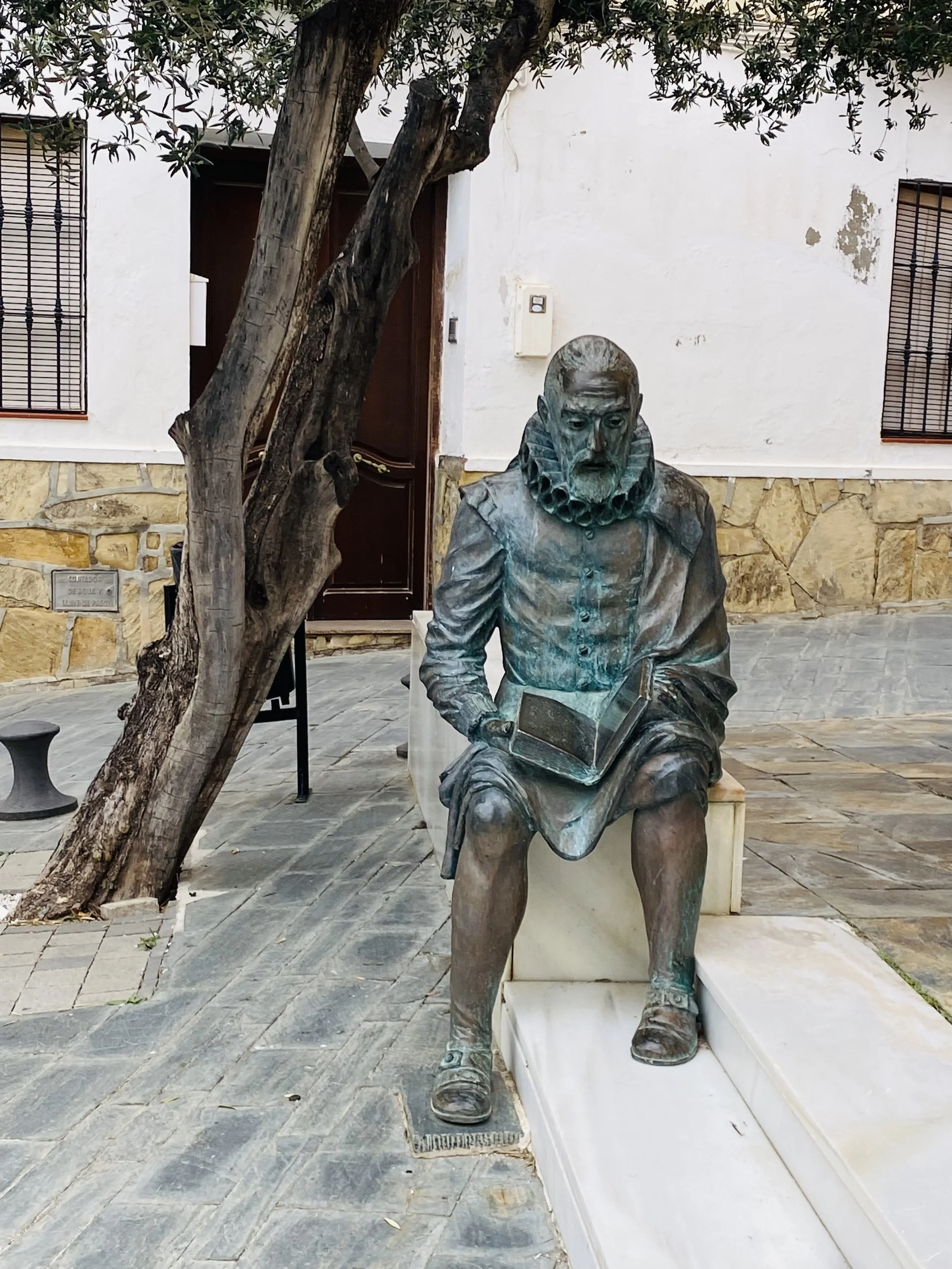
1. Where can you find a statue of Miguel de Cervantes in the Axarquía – and which village did he once live in?
The statue can be found in Vélez-Málaga. The famous author of Don Quixote worked in the region as a royal tax collector in the late 1500s and is believed to have lived for a time in Vélez-Málaga, the historic capital of the Axarquía.
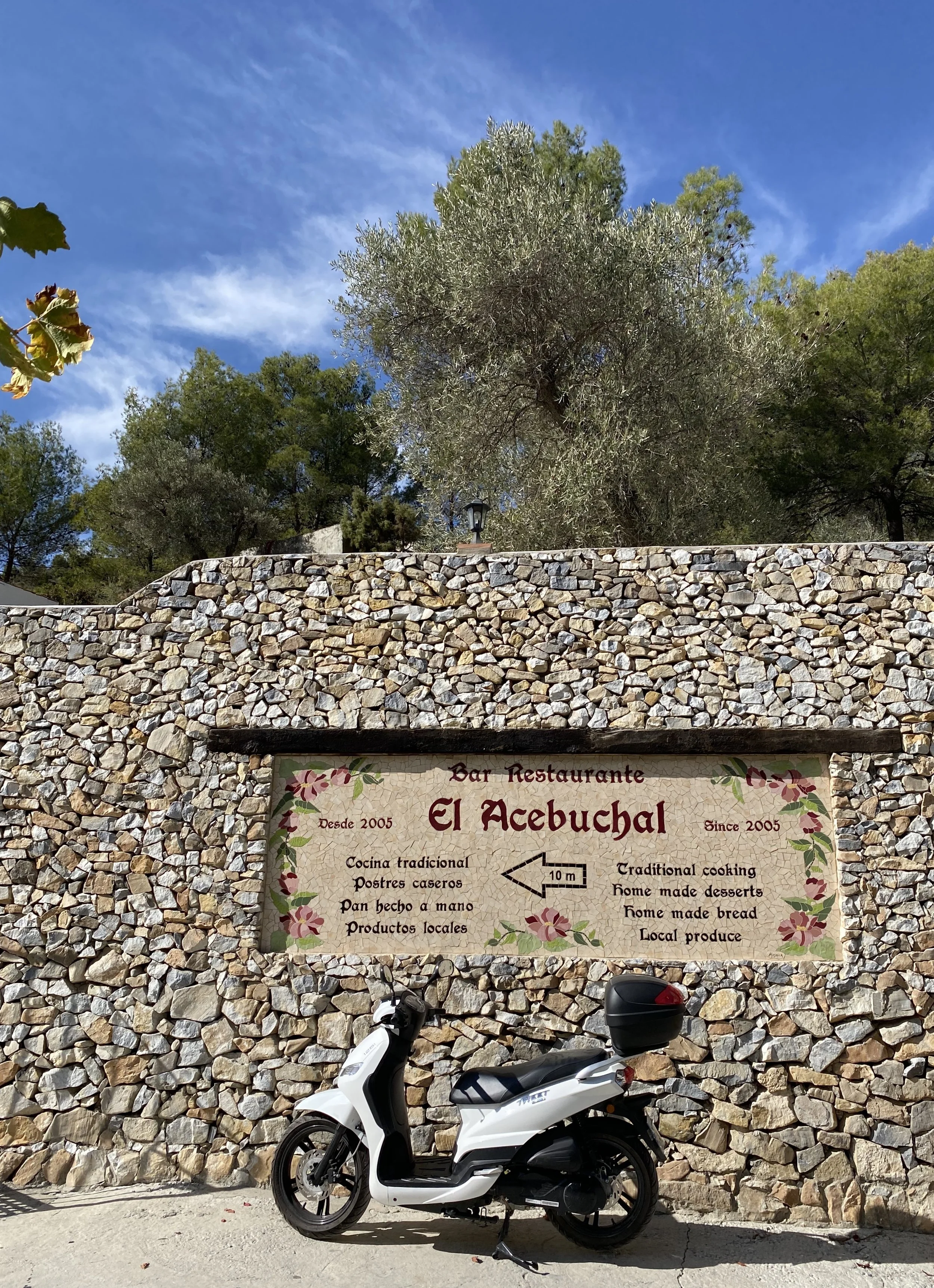
2. What is the name of the “lost village” in the mountains near Frigiliana – and what is its story?
The village is Acebuchal. It was abandoned after the Spanish Civil War when the mountains were used by guerrilla fighters hiding from the authorities. The residents were forced to leave and the village remained deserted for decades. In the late 1990s one former resident returned and began rebuilding the houses one by one. Today Acebuchal is known as El Pueblo Perdido – the Lost Village.
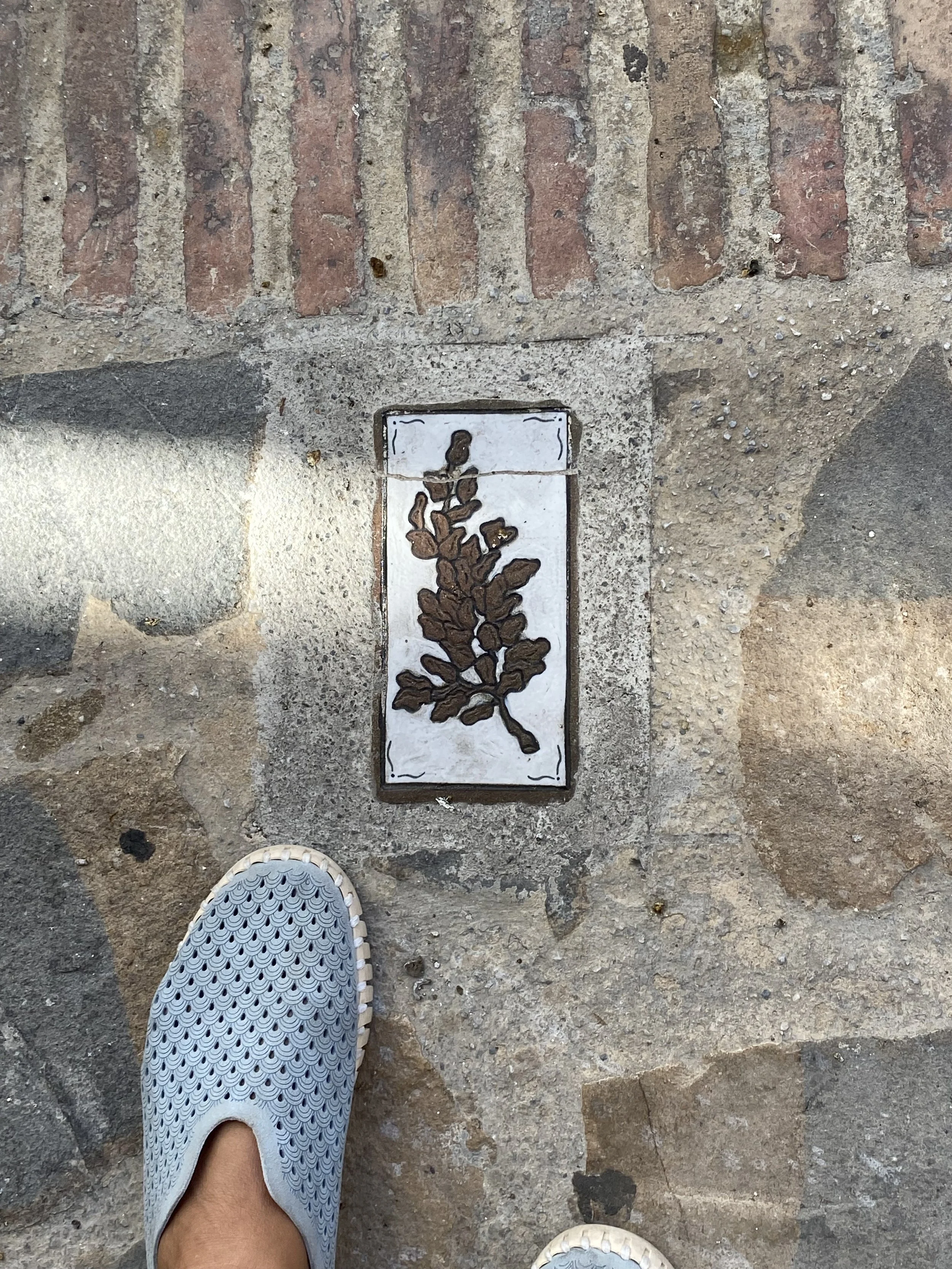
3. Which Axarquía village has wine-grape footprints in the streets?
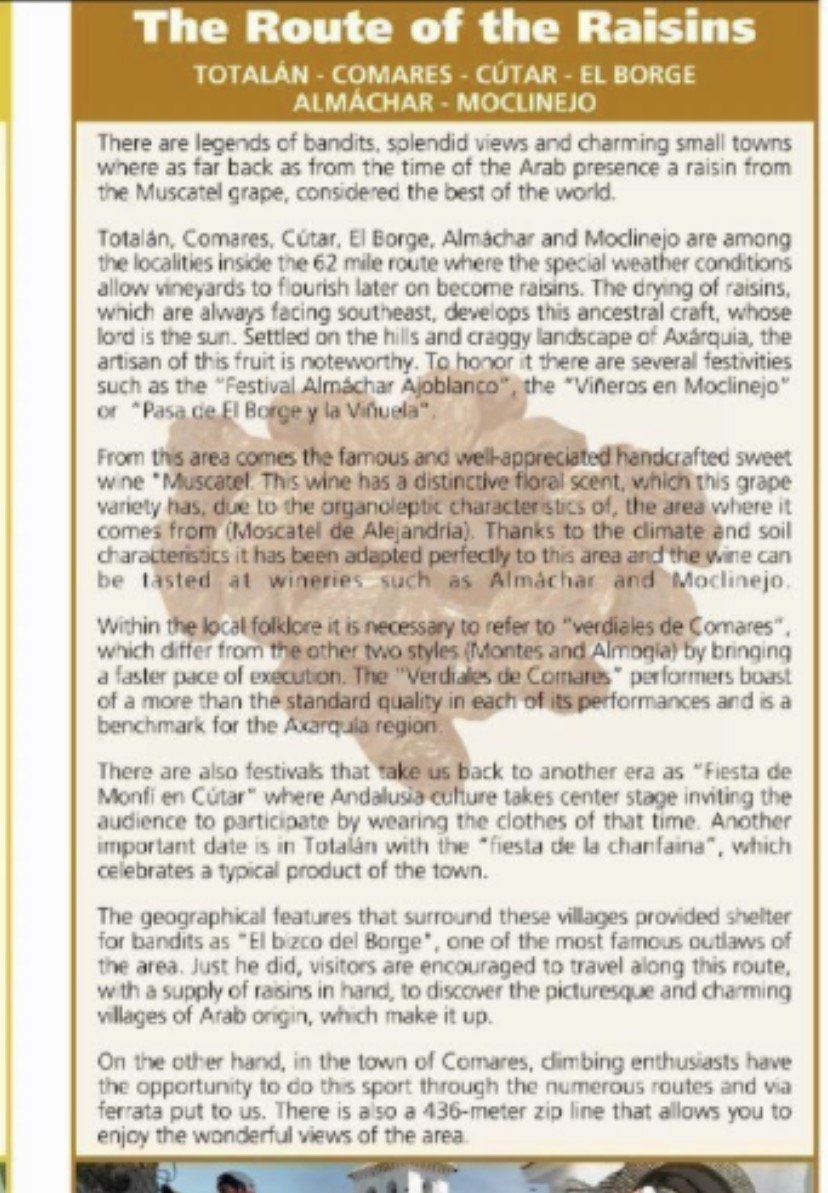
El Borge is the village where you’ll find metal grape-shaped footprints embedded in the streets, guiding visitors through the village and celebrating its long tradition of Moscatel grapes, raisins, and wine production along the famous Ruta de la Pasa.
4. Which village near Nerja still has a functioning sugar factory?
That would be Frigiliana. The village is home to El Ingenio, the last working sugar cane honey factory in Europe, where the traditional miel de caña is still produced today.
5. Why was the famous Axarquía bandit known as “El Bizco”?
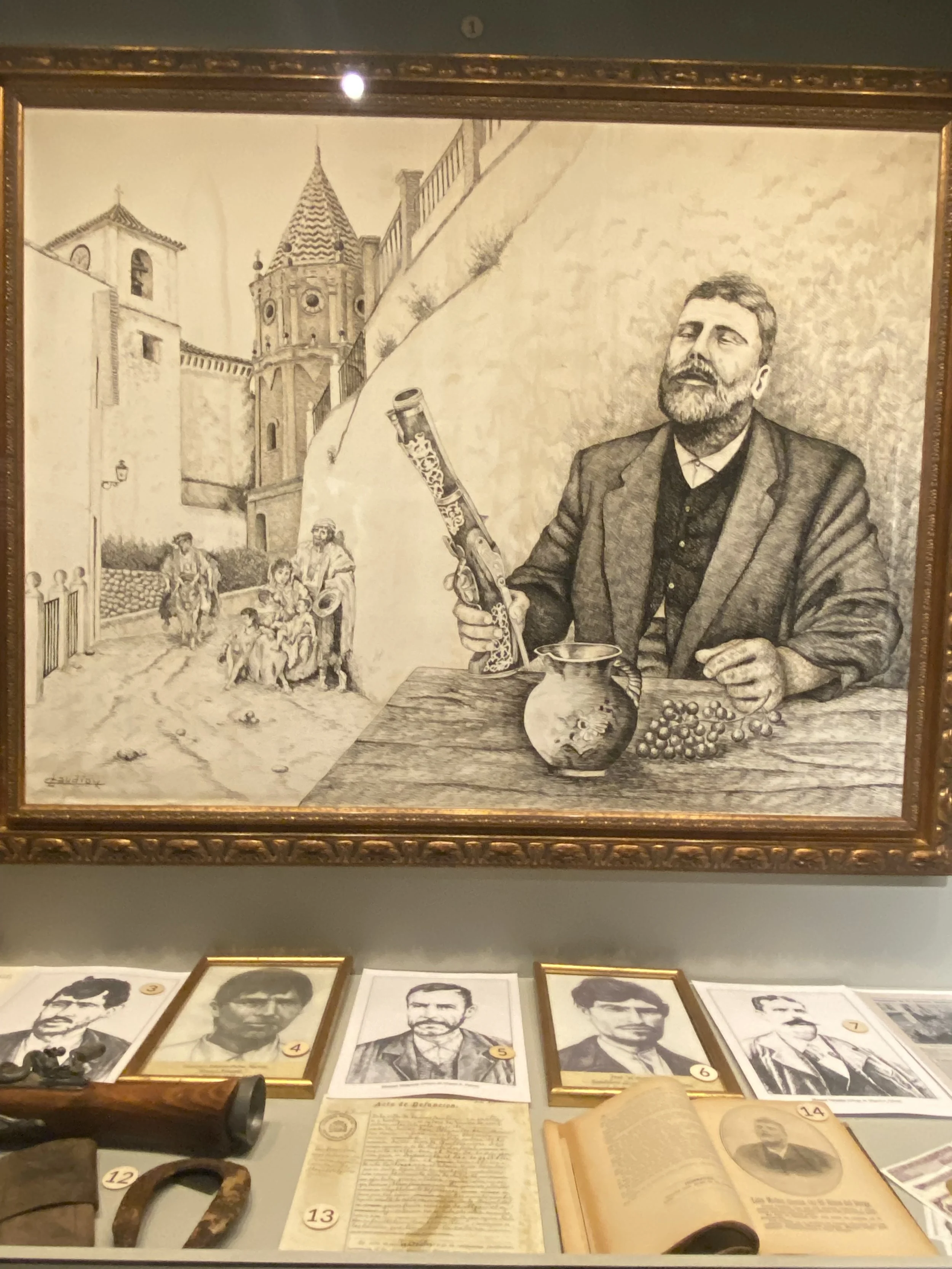
The bandit was El Bizco de El Borge, from the village of El Borge. His nickname “El Bizco” means “cross-eyed” in Spanish, referring to the way one of his eyes looked slightly to the side. He became one of the most well-known bandoleros of the 19th century, hiding in the mountains of the Axarquía and becoming part of the region’s local legends.
6. Where are Málaga’s traditional raisins still dried in the sun on stone terraces called paseros?
You can see them throughout villages such as Almáchar, El Borge and Moclinejo, where Moscatel grapes are still dried in the sun to produce Málaga raisins.
7. Which Spanish king gave the Balcón de Europa in Nerja its famous name?
The name was given by King Alfonso XII, who visited Nerja in 1885 after a devastating earthquake had struck the area. When he saw the spectacular view from the headland overlooking the Mediterranean, he reportedly called it the “Balcón de Europa” – the Balcony of Europe, a name that has remained ever since.
8. Where can you find one of the narrowest alleys in the Axarquía?
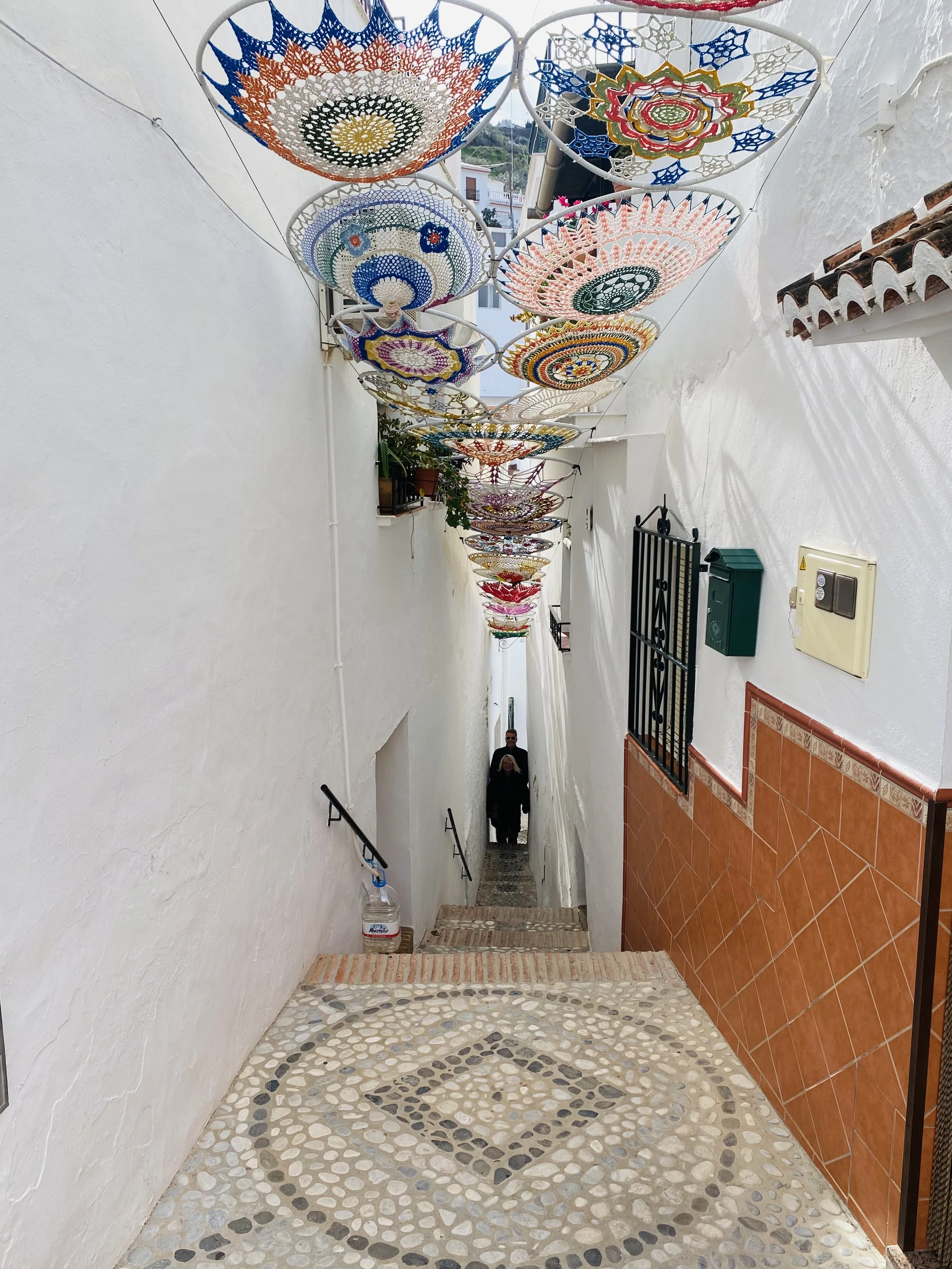
In the village of Sayalonga, where you’ll find El Callejón más estrecho, an alley only about 56 centimetres wide.
9. Which village is known as the “Balcony of the Axarquía”?
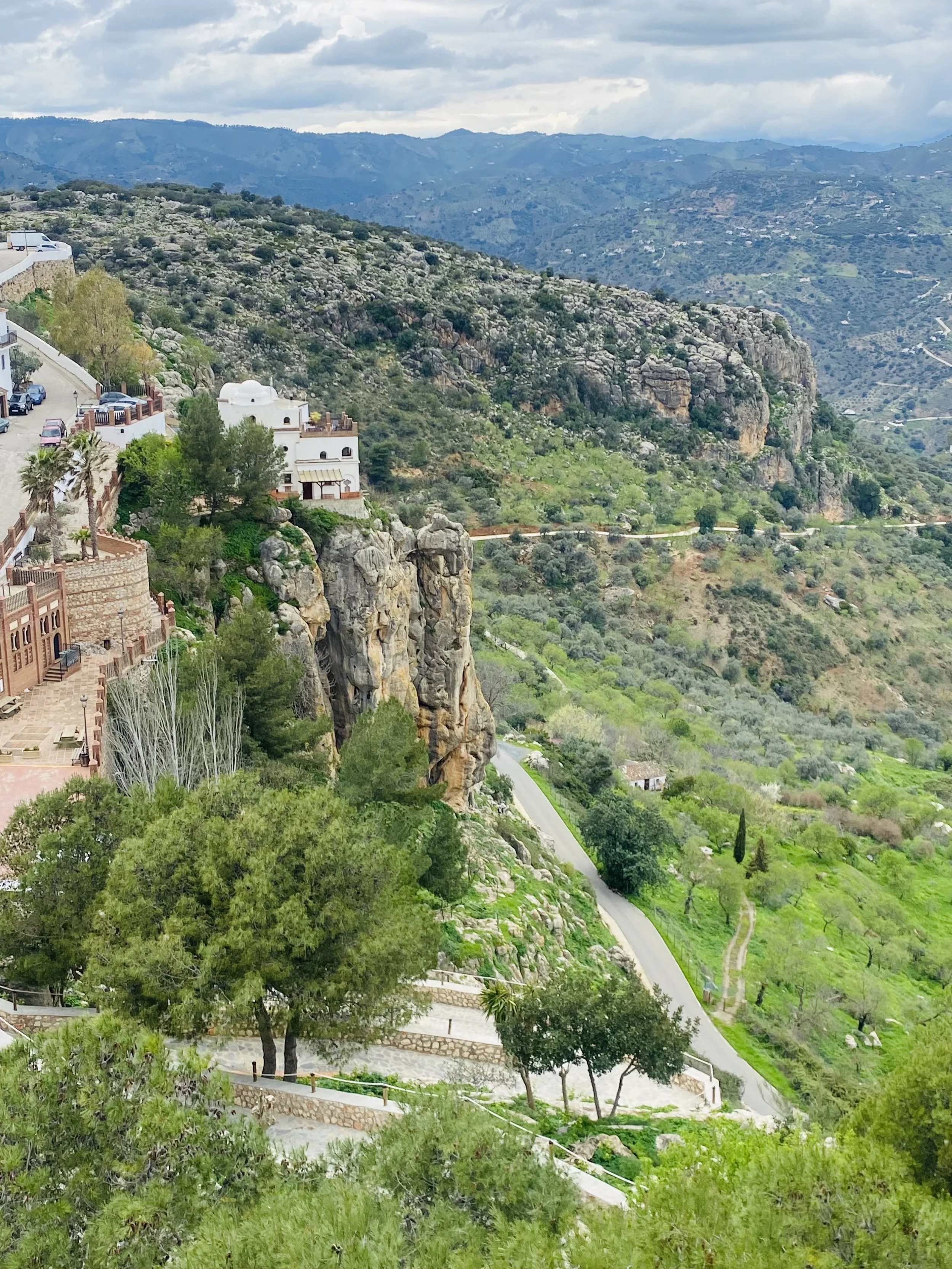
That title belongs to Comares, perched dramatically high above the surrounding valleys with panoramic views across the mountains and towards the Mediterranean.
10. What giant natural formation inside the Nerja Caves is one of their most impressive features?
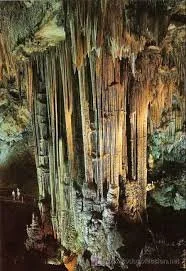
Inside the Hall of the Cataclysm (Sala del Cataclismo) stands a massive natural column formed when a stalactite and stalagmite joined together — one of the most spectacular formations in the caves.
How many did you get right?
The Axarquía is full of fascinating little stories, traditions and surprises — and the more you explore, the more you discover. Now read more about those locations on our Local Escapes Page.