Moclinejo - Vineyards, Ceramic Art and Casa del Ratón Pérez
As the Axarquía landscape begins to soften, Moclinejo appears with a gentler rhythm. The hills open out, vineyards roll more freely and the Mediterranean influence becomes clearer in the light, the air and the pace of village life. This is a place where agriculture has never been abstract—vine growing is still part of daily reality, shaping both the land and the community.
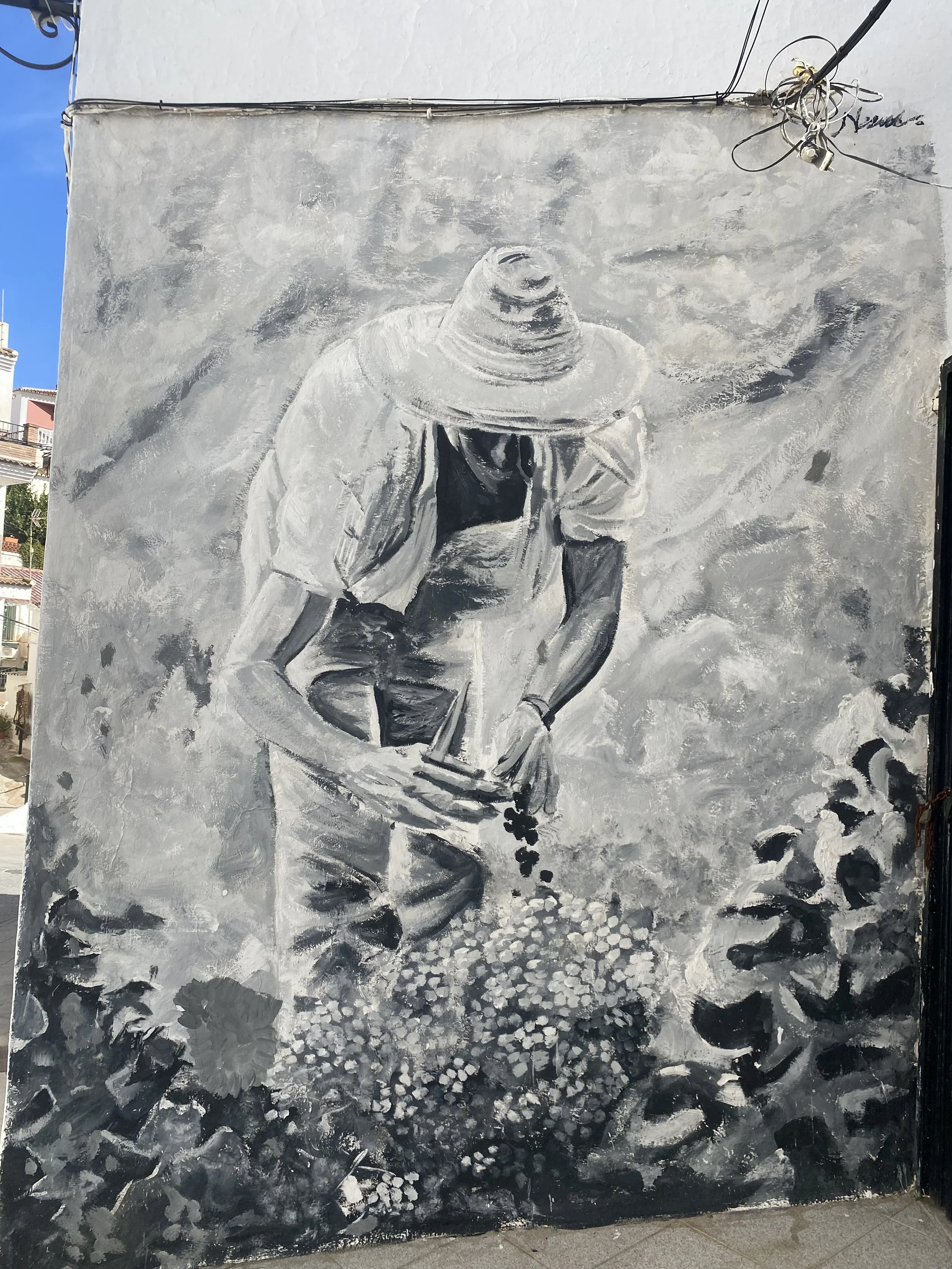
Moclinejo’s identity is deeply tied to wine and raisins, traditions celebrated each year during the Fiesta de los Viñeros, which honours the men and women who have worked these slopes for generations. The village is especially associated with Moscatel de Alejandría—the correct and traditional name of the grape variety grown here—which thrives thanks to the unique combination of sun, soil and climate. Floral, honeyed and expressive, the resulting sweet wines and sun-dried raisins feel inseparable from the landscape itself, quite literally tasting of the Axarquía.
Moclinejo is also one of the villages that form part of the Ruta de la Pasa, the historic Raisin Route of the Axarquía, recognised for its centuries-old tradition of cultivating, drying and celebrating Moscatel grapes. Walking through the village, the connection between vineyards, terraces and daily life becomes clear.
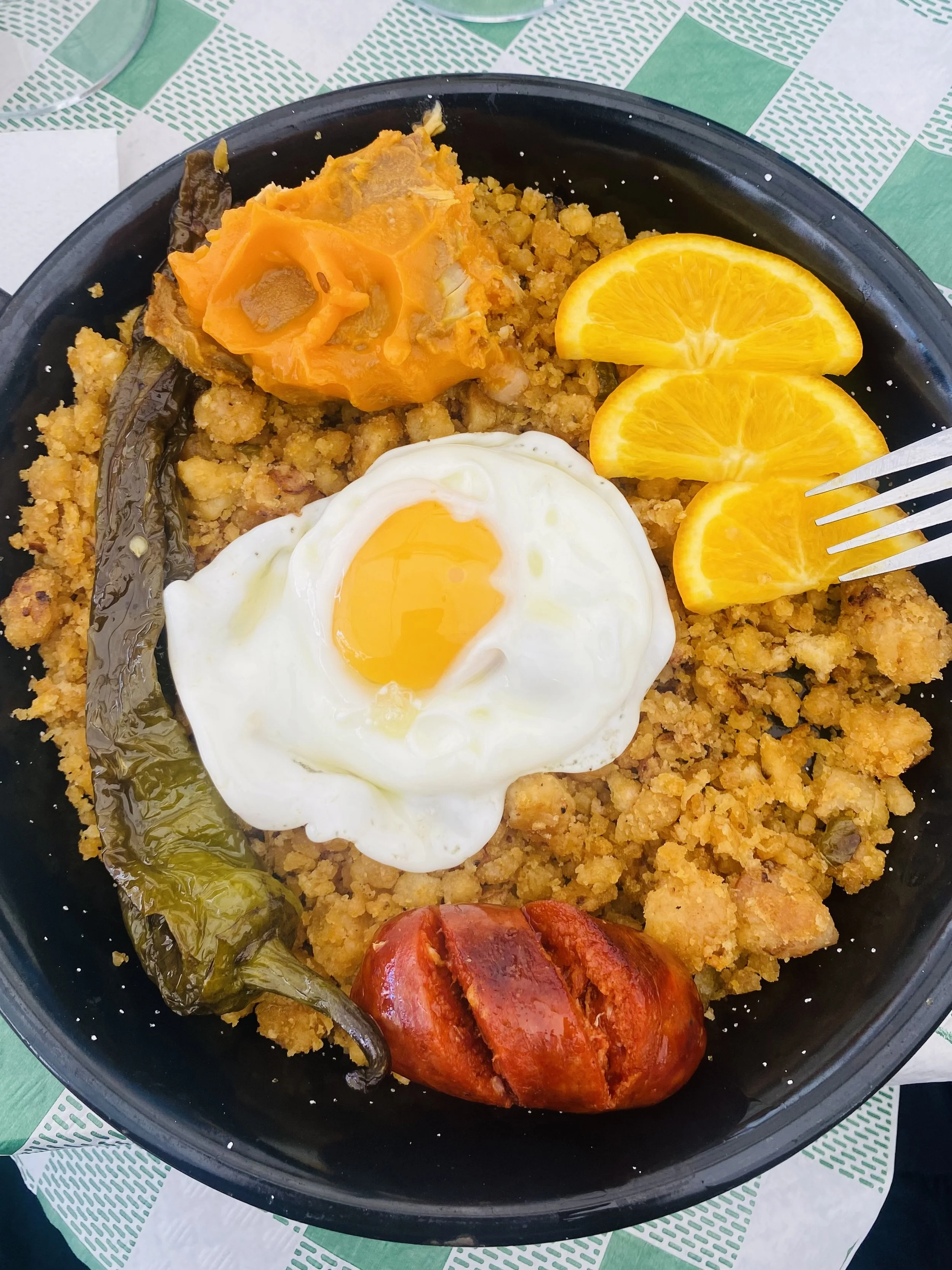
Life in Moclinejo moves at an unforced pace. Sitting in the Plaza de España, watching village life pass by, or enjoying a relaxed lunch at Restaurante Reyes, is part of understanding the place. Here you can try classic local dishes such as migas and traditional hearty stews, flavours that speak directly of rural Axarquía cooking. If you’re planning to visit on a Saturday, it’s wise to book in advance, as the restaurant is popular with both locals and visitors.
What to See in Moclinejo
Church of Nuestra Señora de Gracia - The village’s main parish church dates back to the 16th century and stands on the site of a former mosque, quietly reflecting the layered history of the Axarquía and the cultural transitions that shaped it. Centro de Estudios de la Pasa y el Vino Moscatel
and Sala de Exposiciones Antonio Segovia Lobillo. Located close to the main square, this modest exhibition space showcases local art and cultural displays, reinforcing Moclinejo’s creative and community-focused spirit.his small cultural centre focuses on raisin drying and sweet wine production, explaining traditional tools, methods and the heritage behind Moscatel cultivation. Opening hours can vary, so it’s best to check locally or with the Tourist Office.
Street Art and Ceramic Details
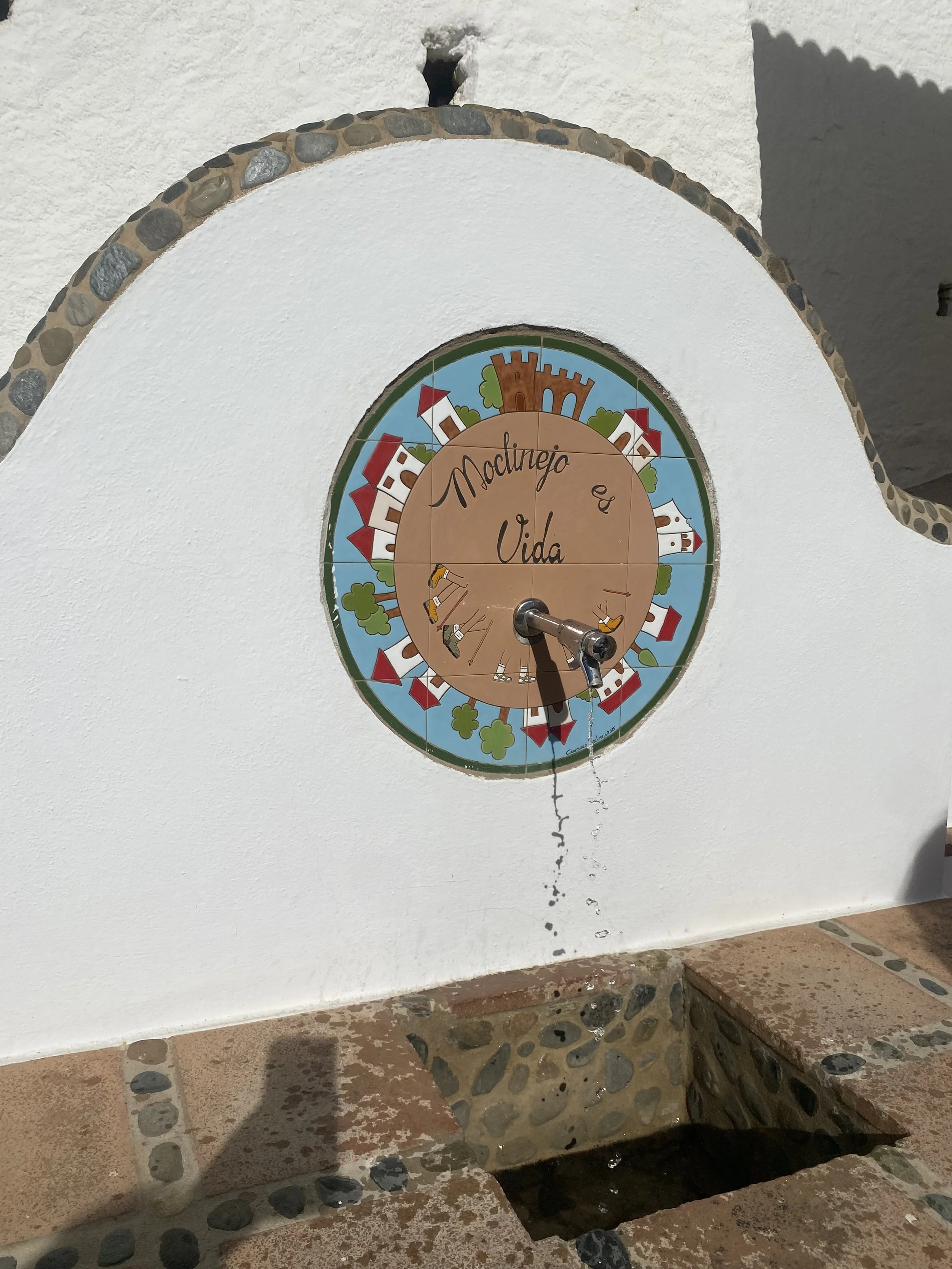
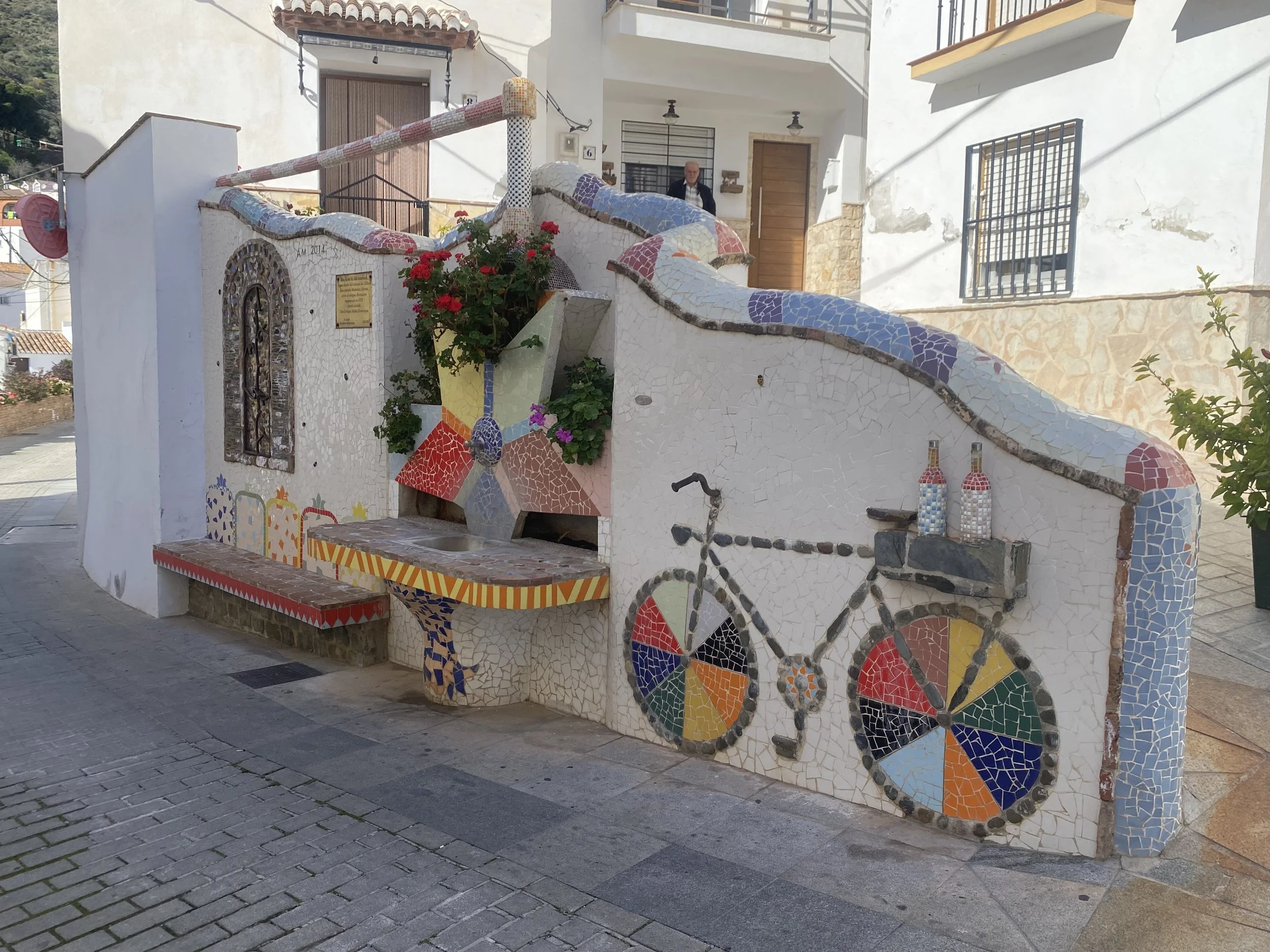
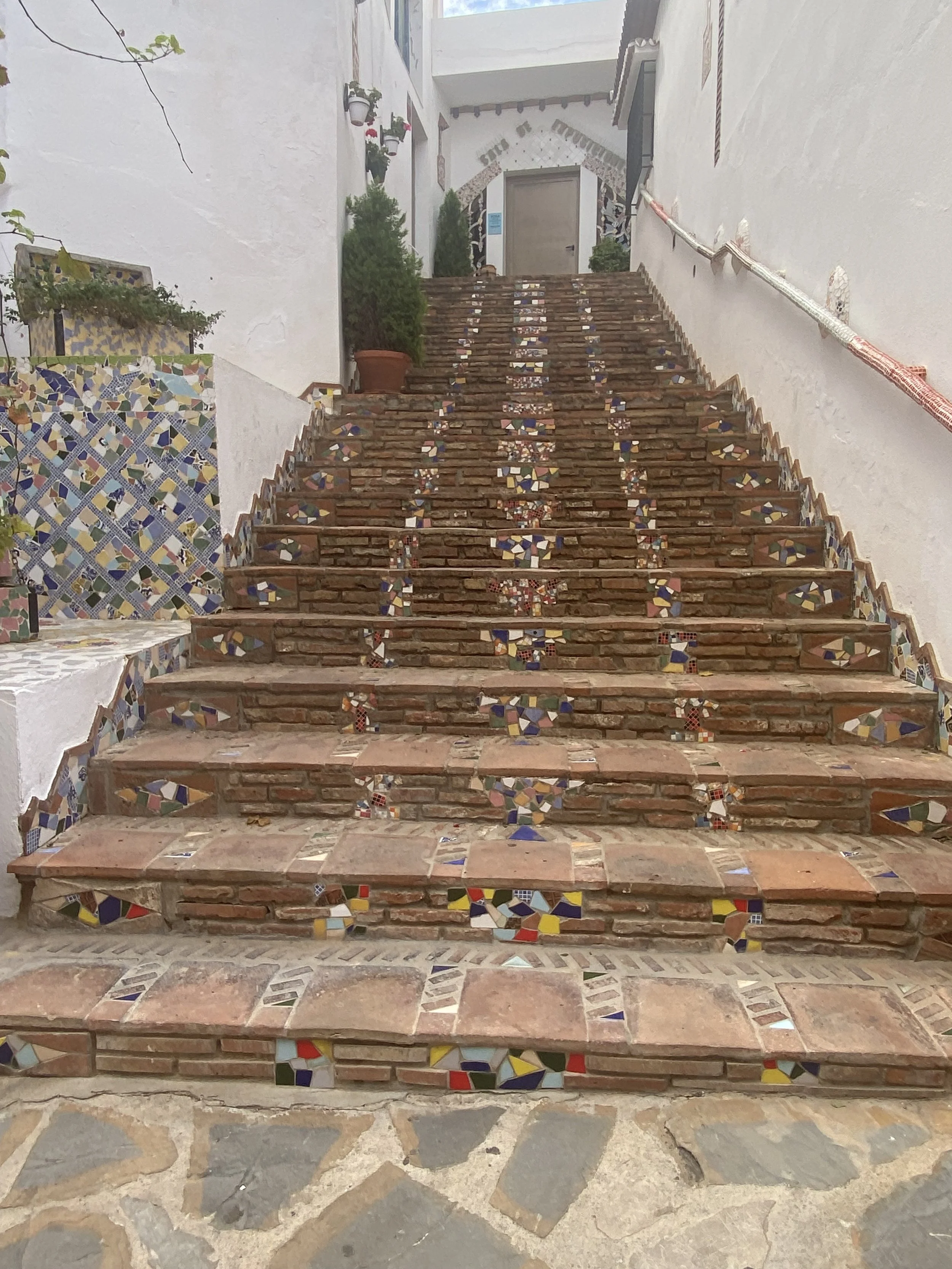
As you wander, look out for murals, tiled street signs and handcrafted ceramic details. These small touches add colour and personality, turning simple walks into moments of discovery.
Casa del Ratón Pérez
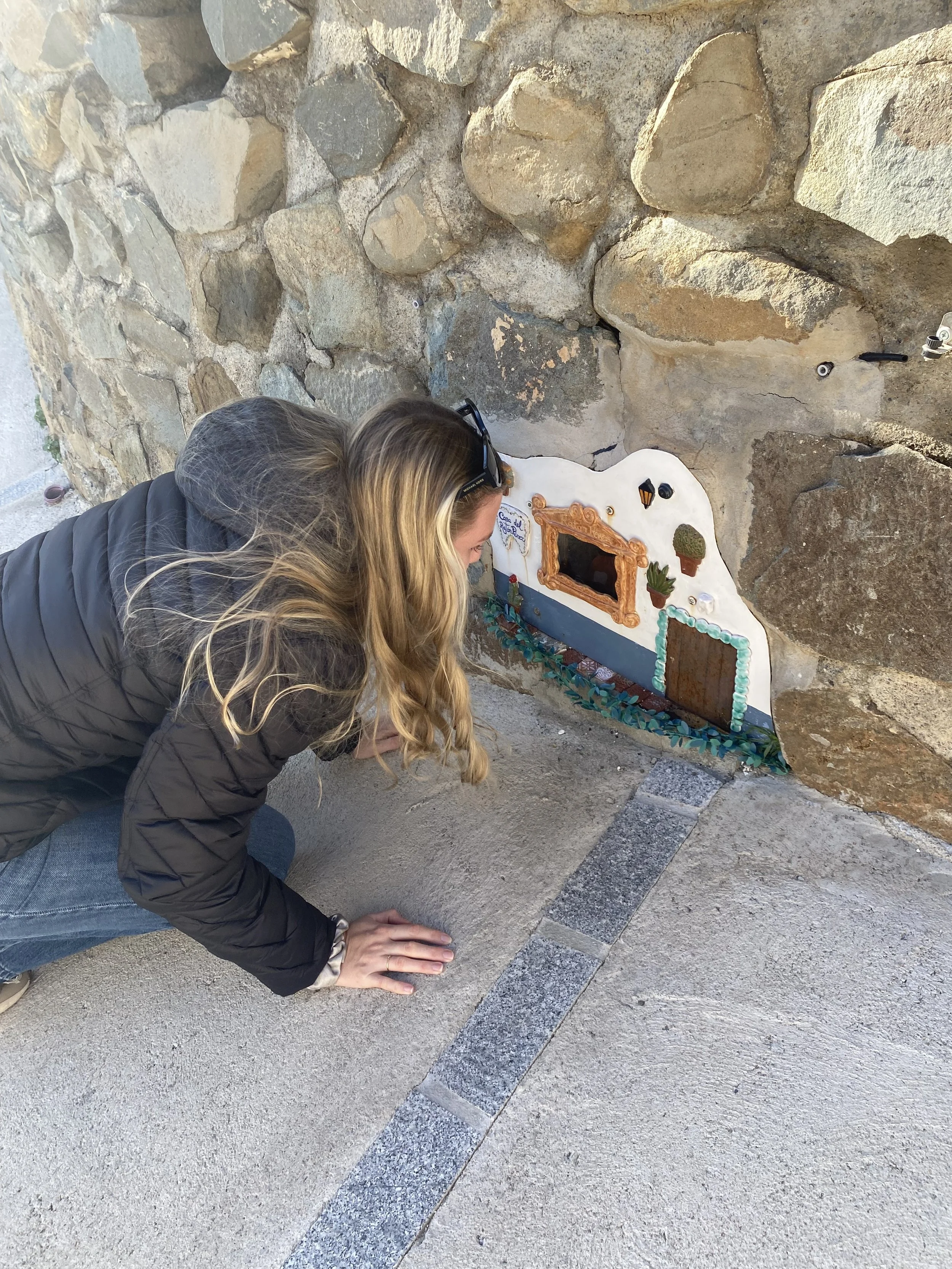
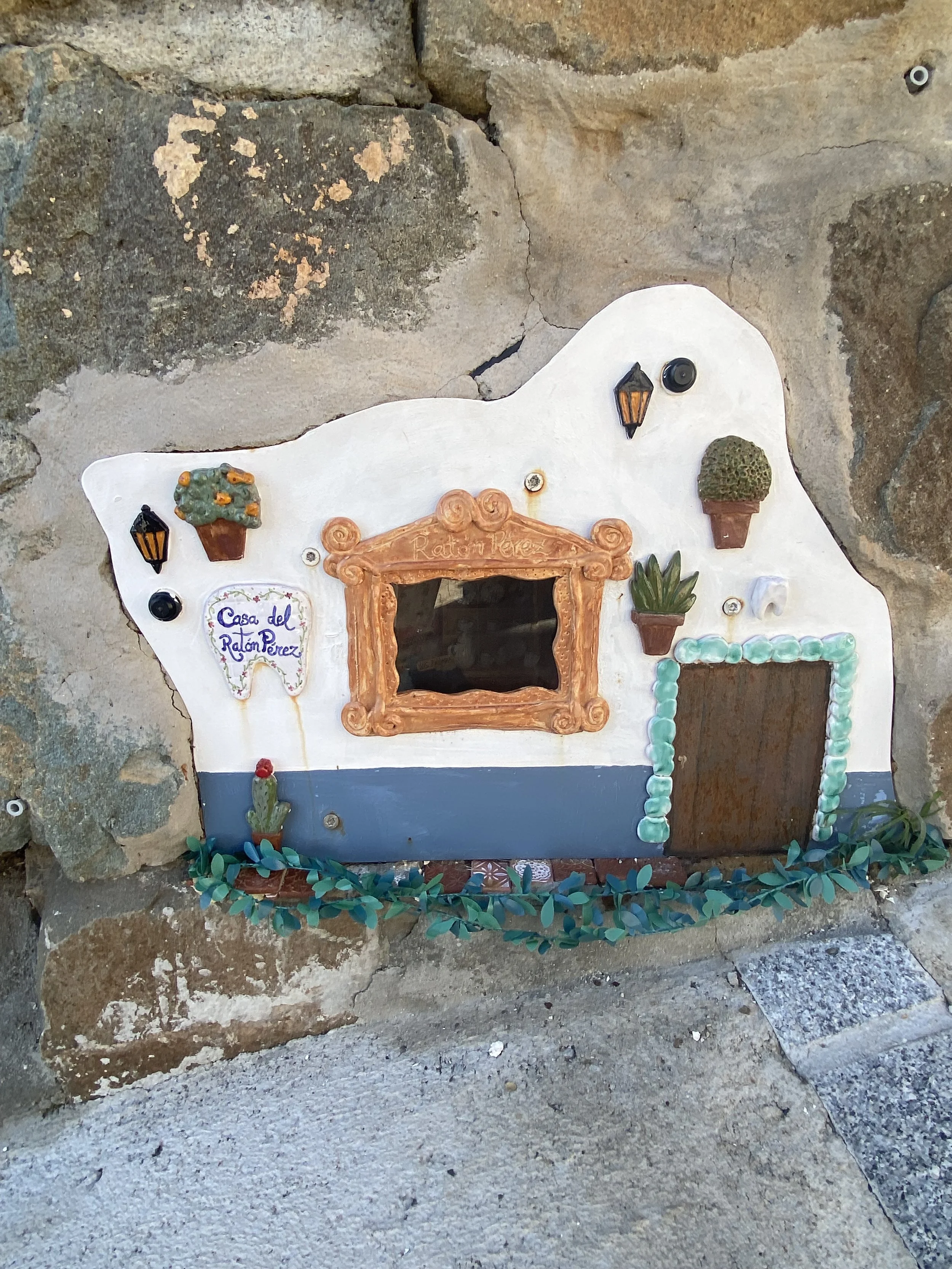
One of Moclinejo’s most charming surprises is the Casa del Ratón Pérez, a tiny ¨mouse¨ tooth-fairy house built directly into a village wall. Carefully crafted with miniature doors, windows and playful details, it sparks imagination and invites both children and adults to pause and smile. More than a novelty, it reflects Moclinejo’s warmth and community spirit, proof that even the smallest details are valued and lovingly created.
Ratón Pérez – the Spanish equivalent of the Tooth Fairy – was created by Jesuit writer Luis Coloma back in the 19th century. When he was eight years old, King Alfonso XIII lost a tooth and Coloma, who was a royal advisor, was commissioned to write a story for the little boy. The author dreamed up a tale about a mouse who lived with his family in a biscuit box in the pantry of a sweet shop, not far from the Royal Palace. Every night the mouse, who was called Ratón Pérez, would visit the bedrooms of all the children, including the young king, who’d lost a tooth and leave them a little gift. Check out our children’s story - Luna, max and Nico.
A Village Best Explored Slowly
Moclinejo is not about ticking off landmarks. It’s about wandering without a plan, noticing the rhythm of everyday life and understanding how wine, work and community continue to shape the village today. Vineyards still frame the streets, traditions remain active rather than nostalgic, and creativity appears in unexpected corners.
Just a short drive away, the hamlet of El Valdés makes a natural next stop. Here you can visit the Casa Museo Axarquía (El Valdés), an extraordinary house museum that deepens the story of the region through craftsmanship, memory and imagination—making Moclinejo and El Valdés a perfectly paired Ruta de la Pasa experience.
Located around 47 km from Nerja, Moclinejo is reached via a beautifully mountainous drive of around 50–55 minutes, winding through the hills of the Axarquía and offering ever-changing views along the way. Perfect as a day tour or part of the Ruta de Pasa weekend wonder.