The Alhambra & Albaicín - A Palace of Light, Art and Timeless Design
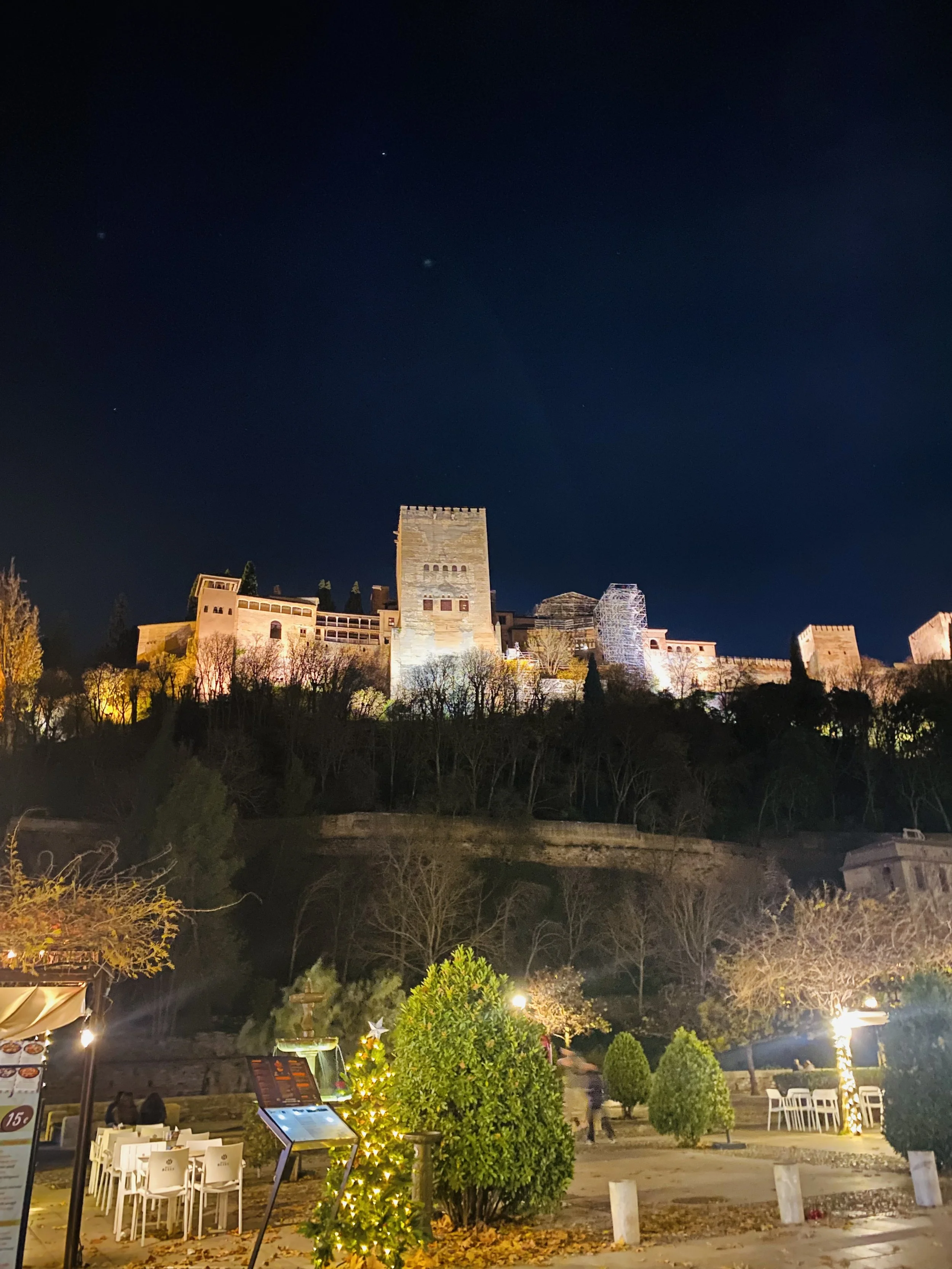
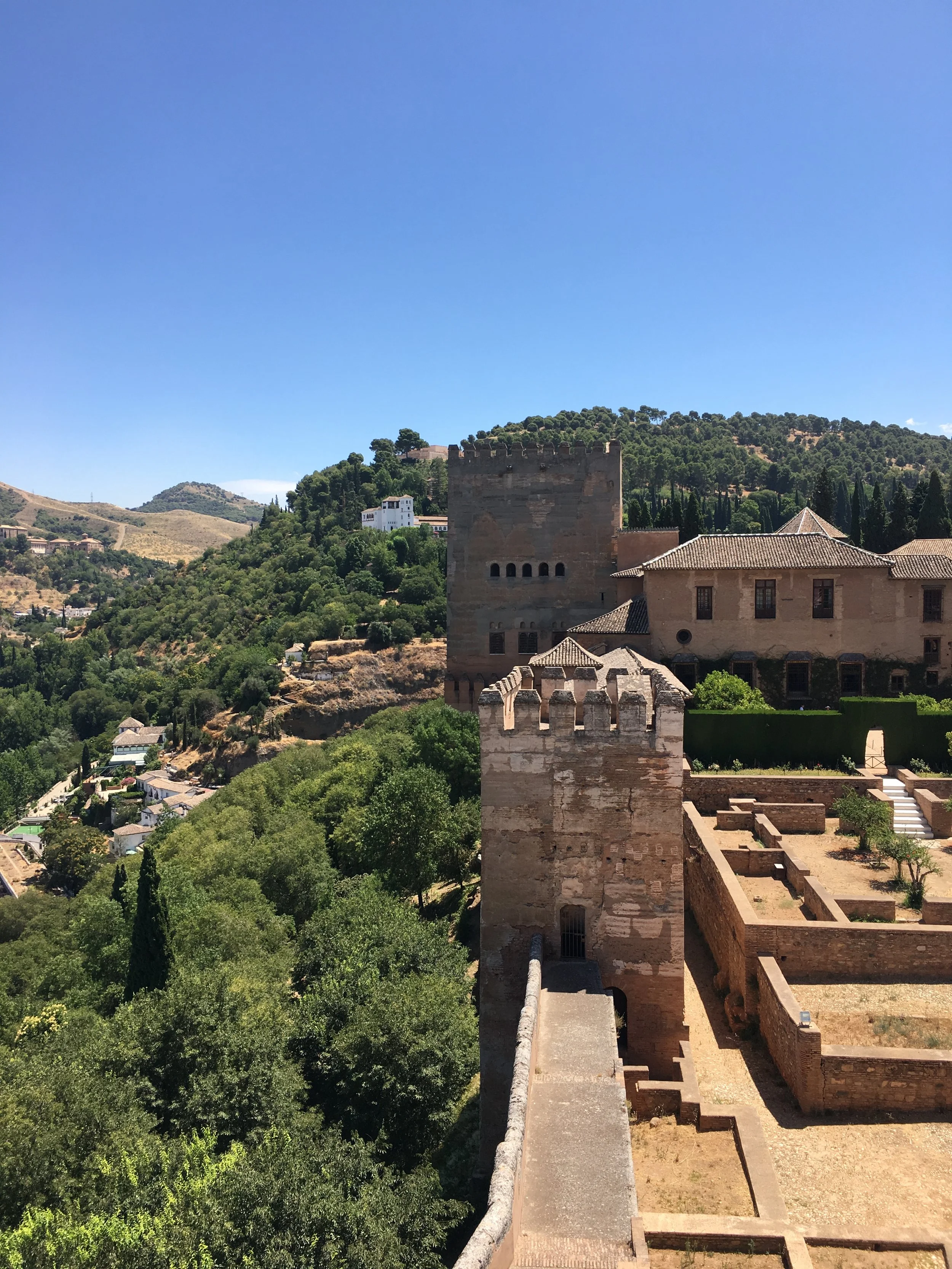
High above Granada, resting on Sabika Hill, the Alhambra rises like a whispered memory from another world. It is a palace and fortress complex that stands among the finest surviving examples of Islamic architecture in Europe. Begun in 1238 by Muhammad I Ibn al-Ahmar, founder of the Nasrid dynasty, it grew over generations into a royal city where art, geometry and spirituality were woven into daily life.
Within its walls are palaces, gardens, defensive towers, baths and ceremonial halls, all designed according to sacred proportion and balance. Water flows gently through courtyards and channels, light is softened through arches and screens, and walls speak through poetry rather than power. This is architecture designed to calm the soul.
The Nasrid Palaces - The Heart of the Alhambra
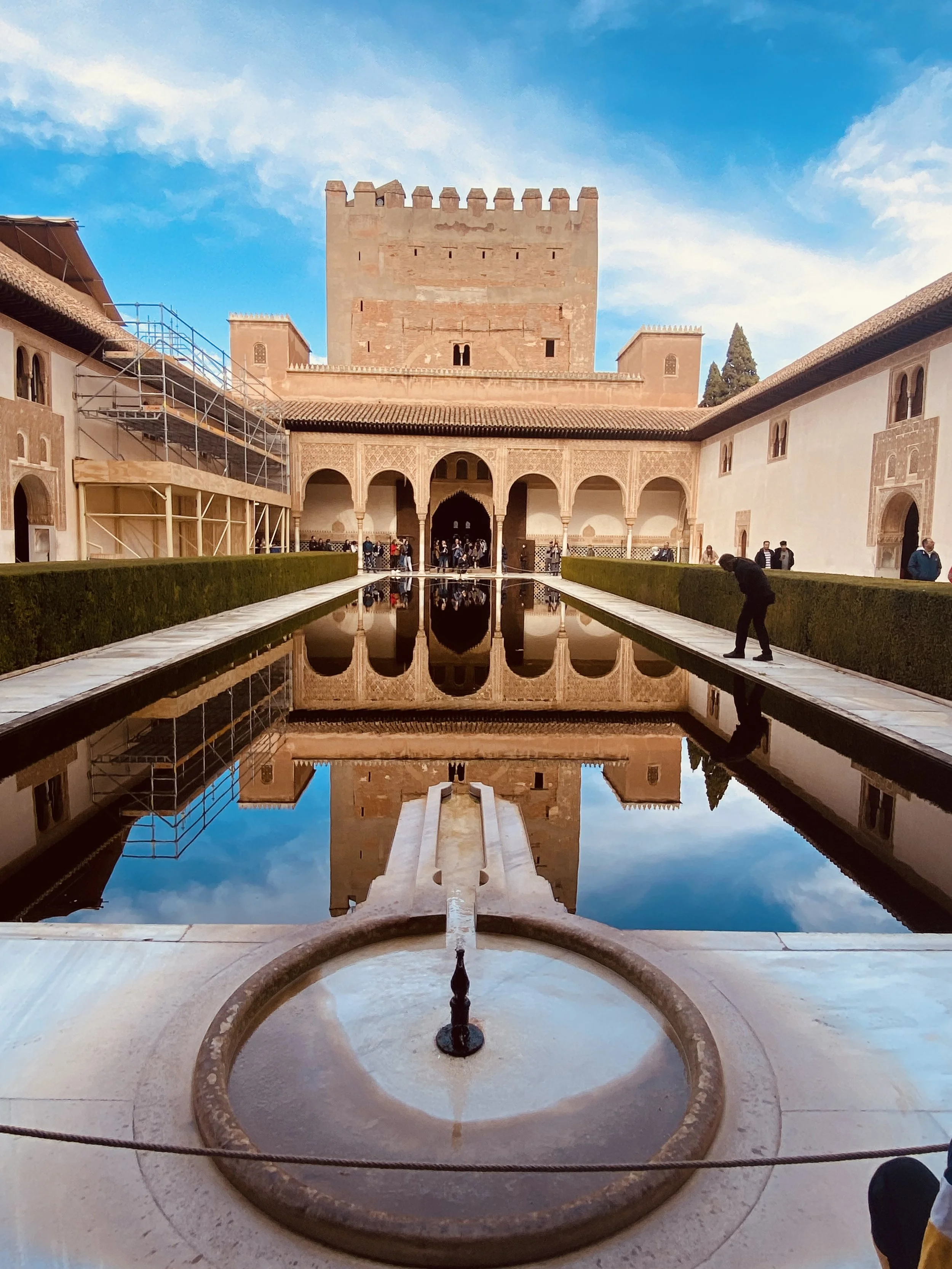
At the core of the Alhambra lie the Nasrid Palaces, the former residence of the sultans of Granada and widely regarded as the absolute highlight of the visit. Access to this area requires a timed ticket and comes at an extra cost, but this is the one part of the Alhambra that should never be missed.
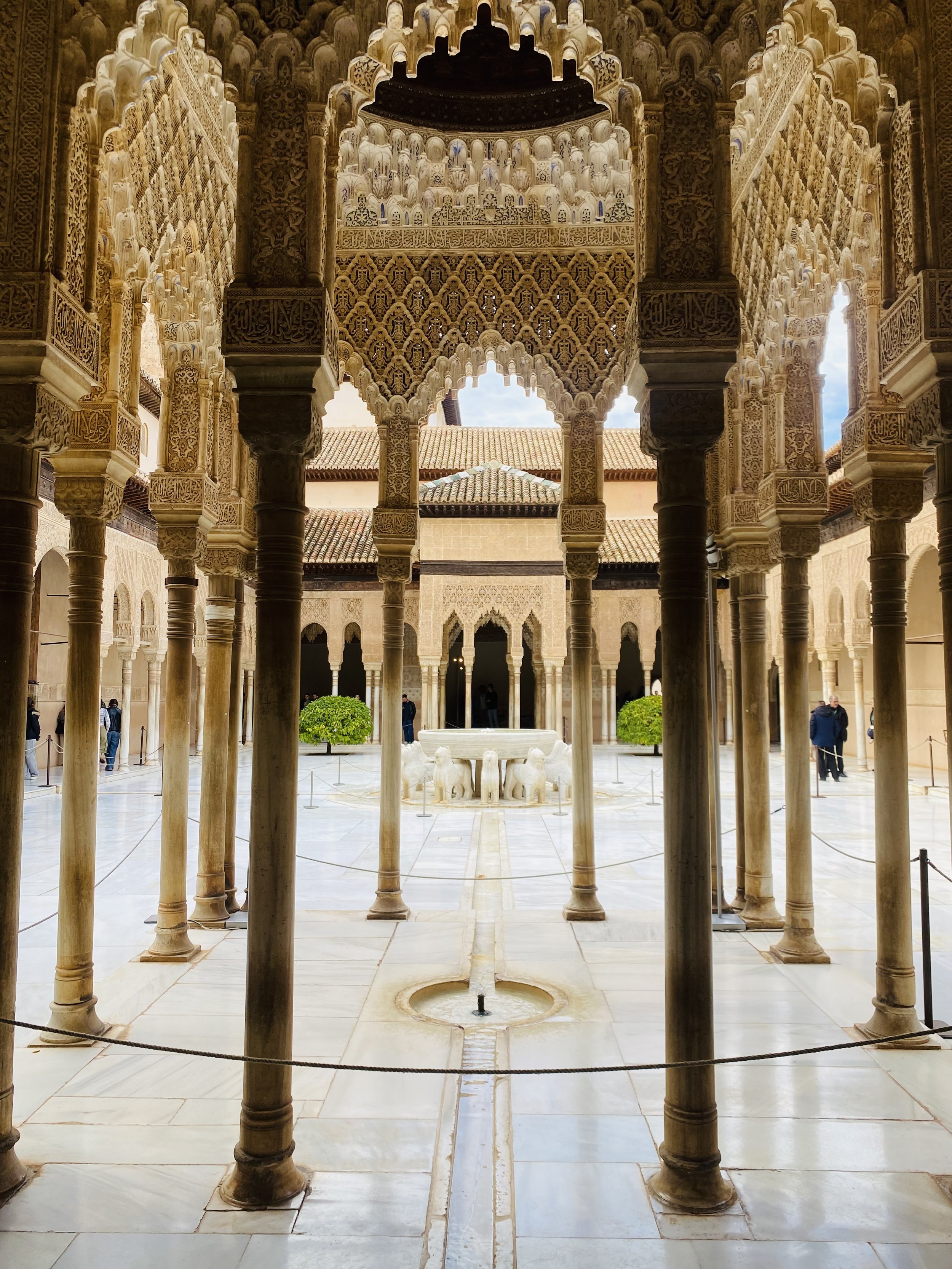
Here, the architecture becomes almost ethereal. Slender columns, intricate arches, carved plaster and endless patterning create spaces that feel light and intimate rather than monumental. Every surface is carefully considered, nothing excessive, nothing accidental.
This is also where the roots of Andalusian tiles become unmistakably clear. The repeating geometric patterns, rhythmic symmetry and symbolic motifs found throughout the Nasrid Palaces are the foundation of the tile traditions still seen today across Andalusia, in patios, fountains, churches and town squares. These tiles were never simply decorative. They expressed ideas of infinity, harmony and divine order through mathematics and design.
The Moorish style found in the Nasrid Palaces is considered the most refined Islamic architecture in Spain. Nowhere else does it reach this level of elegance, subtlety and unity between space, light and ornament. Walking through these rooms, you understand that the Alhambra is not only a historic monument, but a living source of Andalusian artistic identity.
The Palace of Carlos V - A Different Architectural Voice
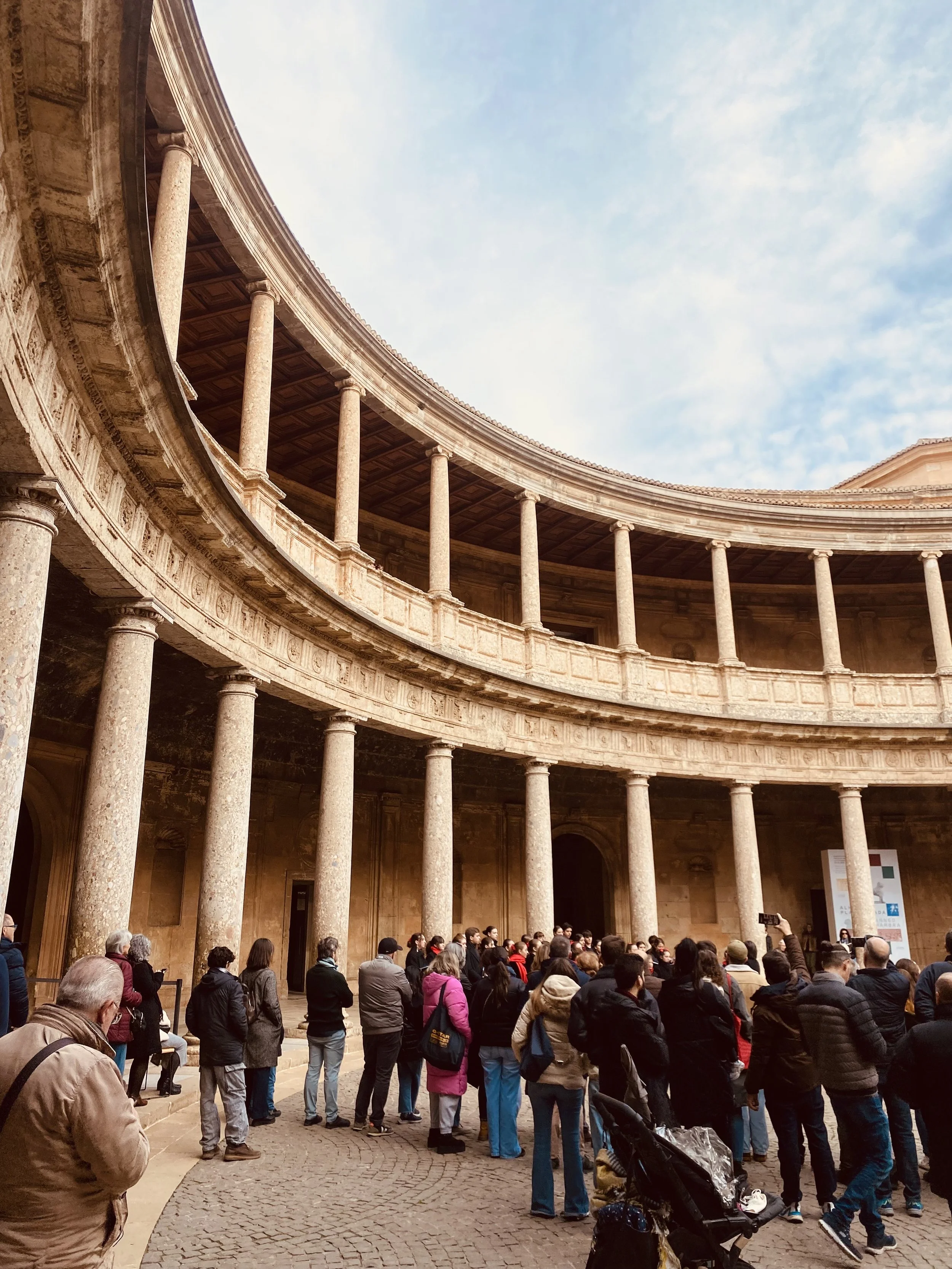
Within the Alhambra complex stands the Palace of Carlos V, built in the 16th century after the Christian conquest of Granada. Commissioned by Emperor Carlos V, this Renaissance palace introduces a strikingly different architectural language.
Its solid stone structure and impressive circular courtyard are bold, symmetrical and monumental. Where the Nasrid Palaces feel intimate and flowing, the Palace of Carlos V is formal and authoritative. The contrast is deliberate and historically important, showing how Granada evolved through layers rather than replacement.
Today, the building houses museums and offers a moment to reflect on how vastly different cultures and worldviews coexist within the same space, each telling part of Granada’s complex story.
The Generalife - Gardens of Rest and Reflection
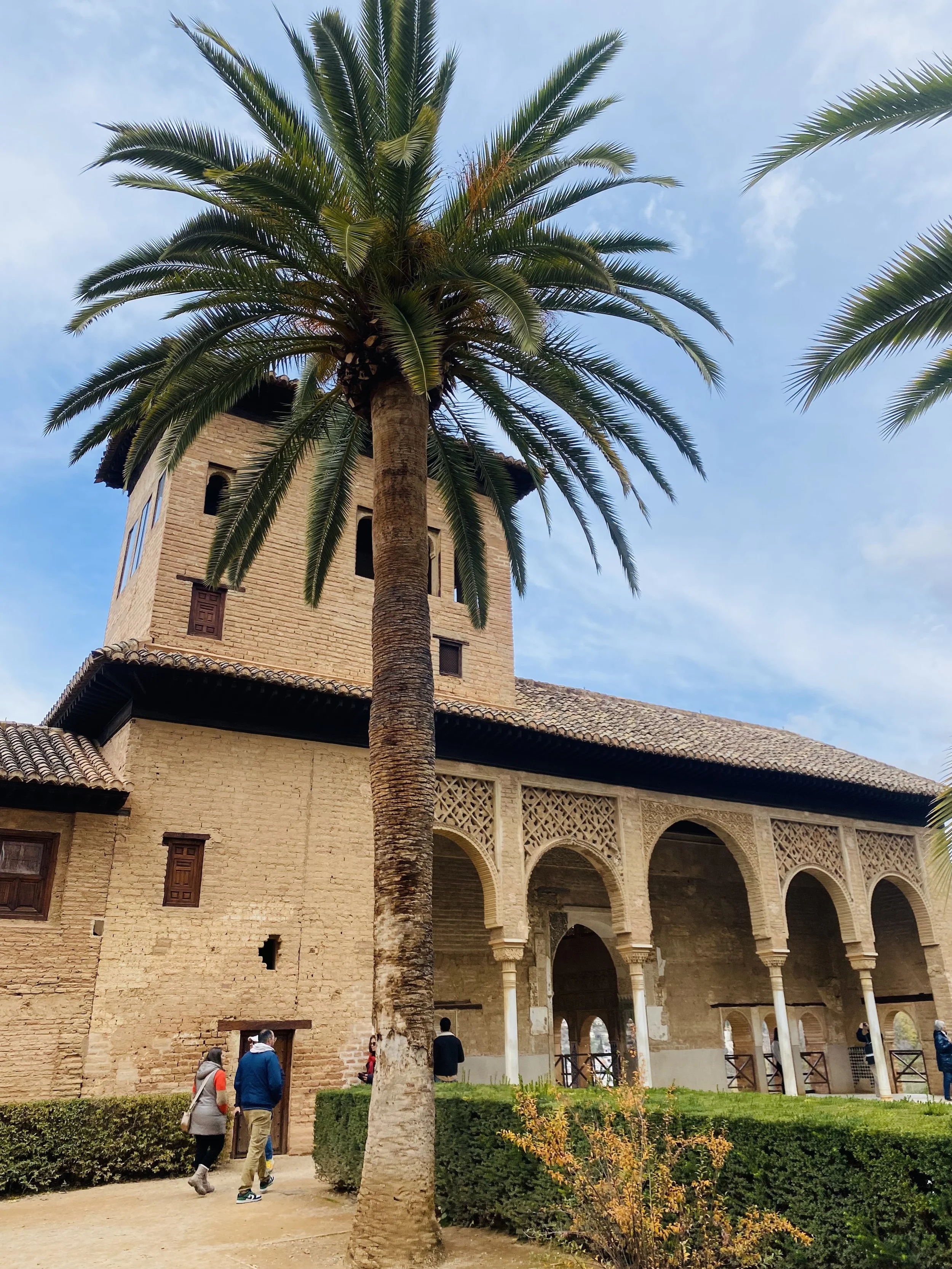
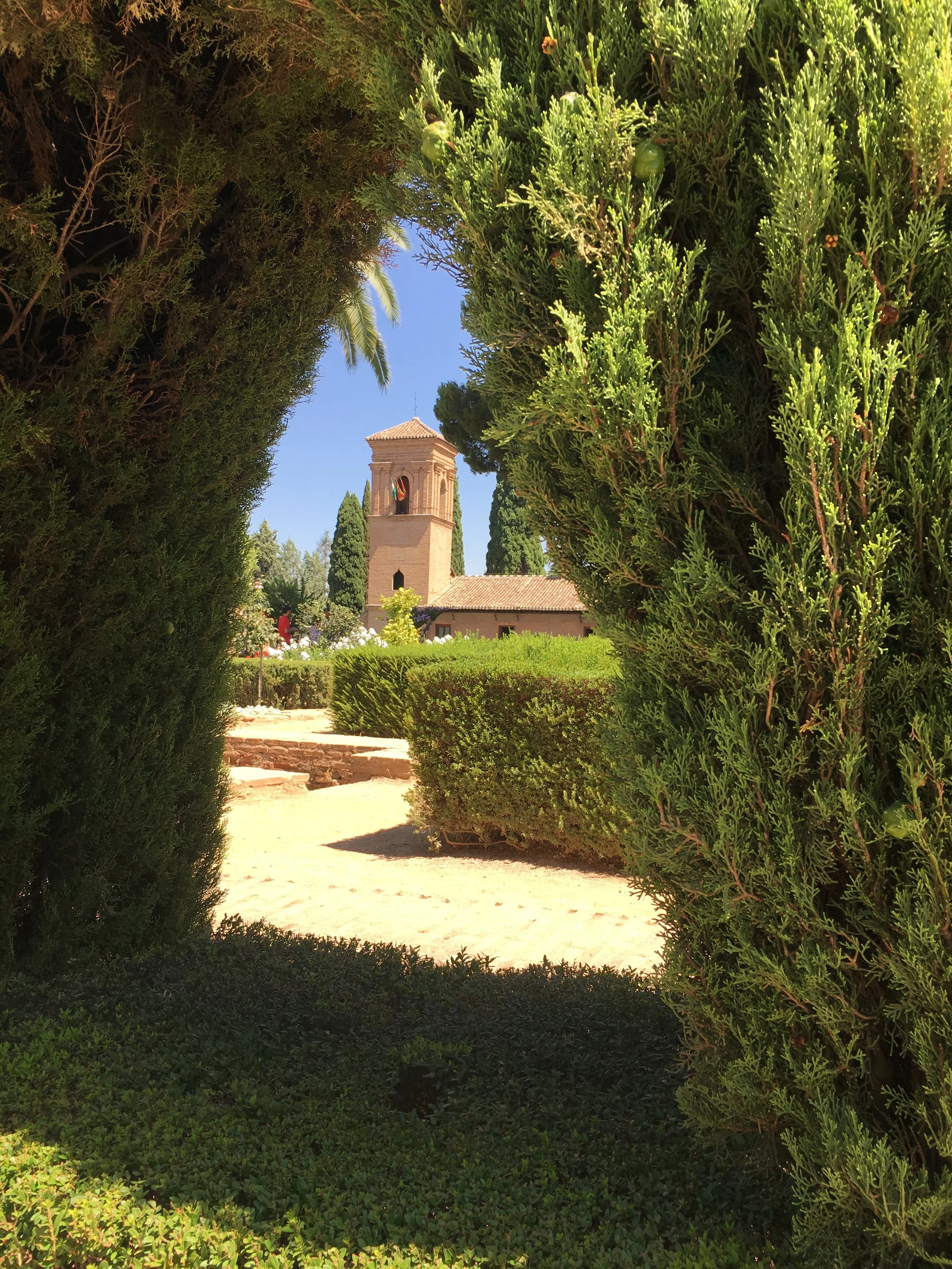
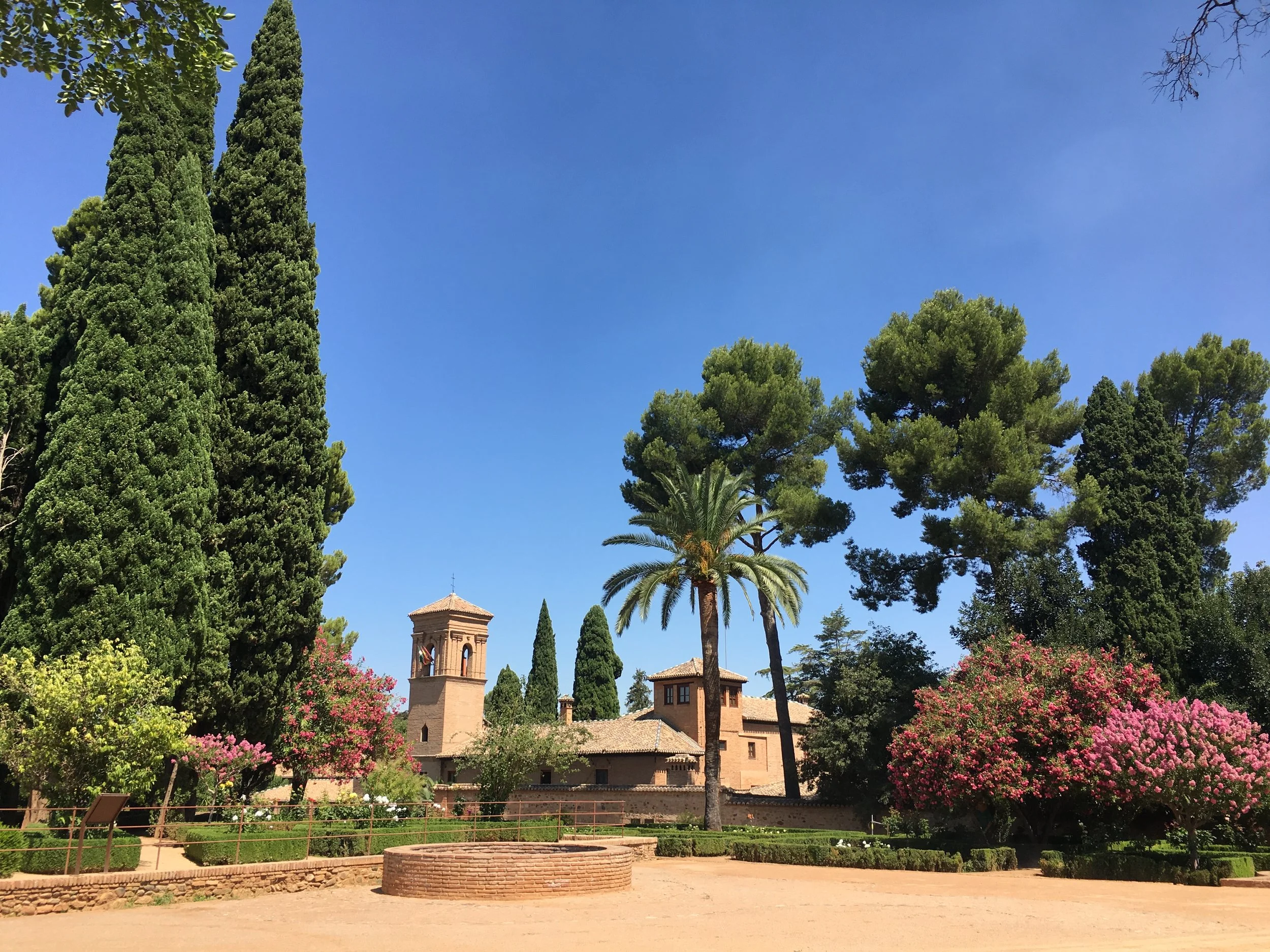
To the east of the Alhambra lies the Generalife, the former summer palace and gardens of the Nasrid rulers. Designed as a place of retreat from court life, it offered peace, fresh air and contemplation.
The Generalife is defined by its gardens, water channels, fountains and shaded walkways. In Islamic tradition, gardens symbolised paradise, and here they were carefully shaped to mirror balance between nature and architecture. The sound of flowing water, the scent of plants and the gentle rhythm of paths create a space that feels timeless and deeply restorative.
While the palaces impress through artistry, the Generalife soothes through simplicity. Together, they complete the Alhambra experience.
The Albaicín - The Oldest Quarter of Granada
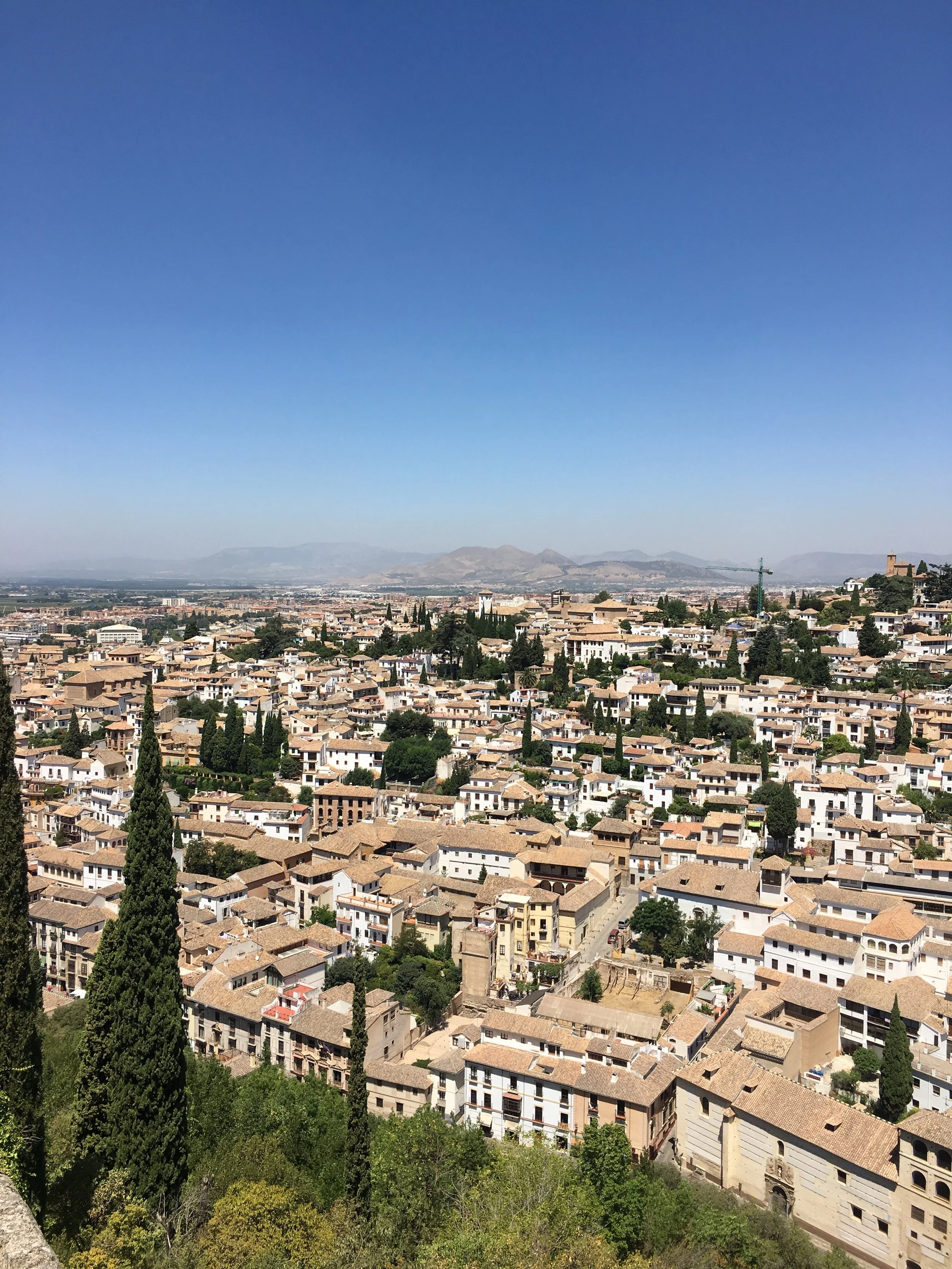
Opposite the Alhambra, across the Darro Valley, lies the Albaicín, Granada’s oldest neighbourhood and its original Moorish heart. Long before the Alhambra was built, this hillside area was already settled, evolving from Roman and Iberian roots into a thriving Islamic district during Al-Andalus.
The Albaicín’s narrow winding streets, whitewashed houses and inward-facing courtyards were designed for shade, privacy and community life. Its organic layout has remained largely unchanged for centuries, giving the area a powerful sense of continuity.
From its viewpoints, especially Mirador de San Nicolás, the Alhambra reveals itself in full glory, glowing against the Sierra Nevada. At sunset, the scene feels almost unreal, and it becomes clear why this view is considered one of the most beautiful in Spain.
Close to Sacromonte - Where Tradition Lives On
Just beyond the Albaicín lies Sacromonte, known for its cave dwellings and deep flamenco heritage. After the Christian Reconquista, Roma communities settled here, shaping a unique cultural identity rooted in music, rhythm and oral tradition.
Staying near the Albaicín and Sacromonte allows you to experience Granada at its most authentic. This is a part of the city where history is not displayed behind glass, but lived through sound, movement and daily ritual.
It is not polished Granada. It is Granada with a heartbeat. Read more about Sacromonte .
Where to Stay - A Hidden Gem Below the Alhambra
For a stay that truly complements this historic setting, Hotel Casa de Morisca is a beautiful choice. Nerja Amigos tested and approved.
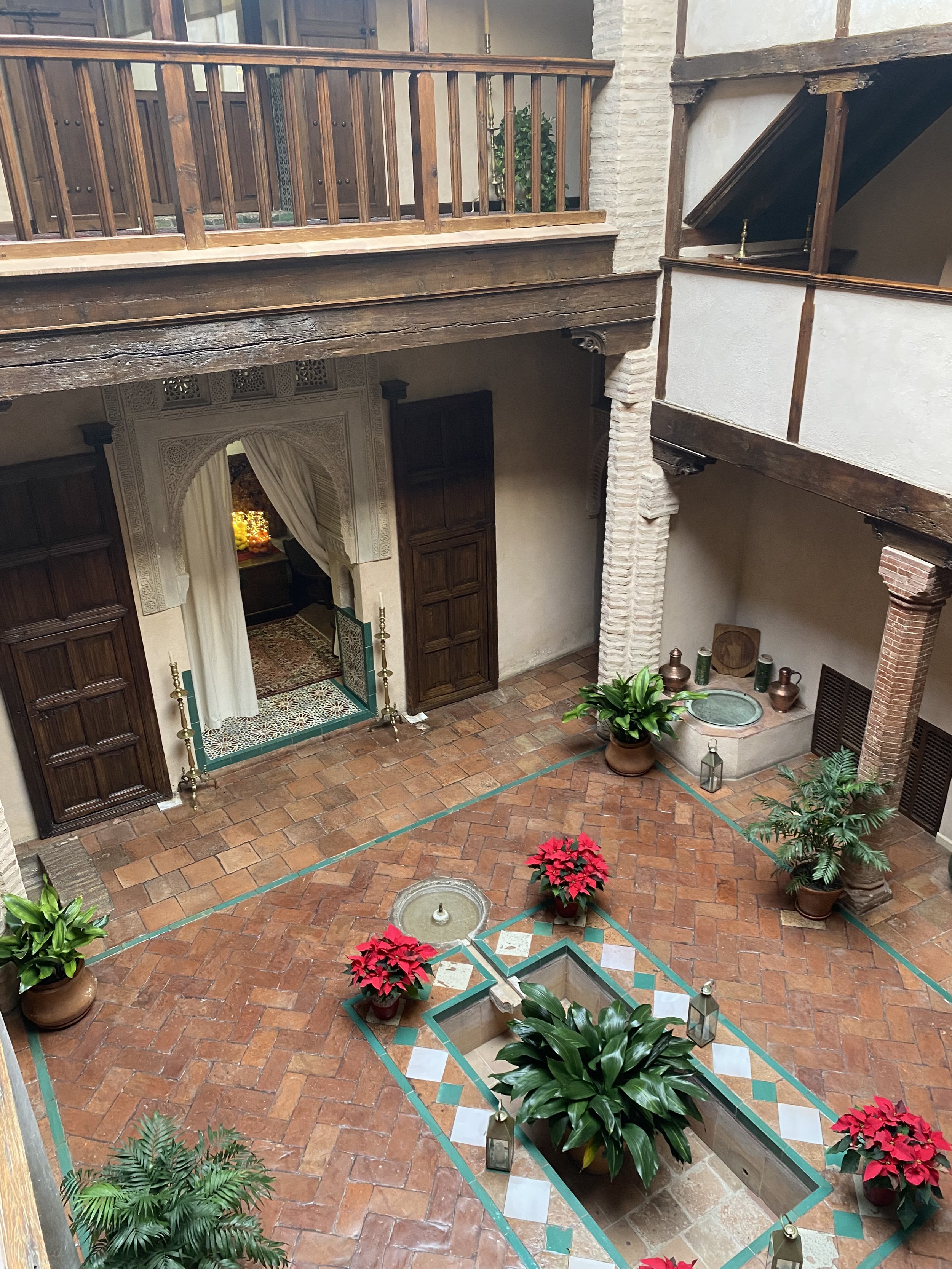
Located just below the Alhambra in the lower Albaicín, beside the River Darro, this small boutique hotel is set within a restored 15th-century Morisco house. From here, you can walk to the Alhambra, wander the Albaicín and reach the city centre with ease. Do note that the walk up to the Alhambra is uphill, so allow time and take it at a gentle pace, especially during warmer months.
With its traditional architecture, calm atmosphere and views towards the Alhambra, Casa de Morisca feels less like a hotel and more like stepping gently into Granada’s past, adapted for modern comfort.
For travellers who want to feel Granada rather than simply visit it, this is a truly special place to stay.
Tips for Visiting the Alhambra
• Ensure you book your tickets well in advance online, especially for the Nasrid Palaces, as numbers are limited and sell out quickly.
• You can also book through platforms such as Booking.com, but allow plenty of time to find the tour operator’s or collaborator’s offices before your guided tour begins.
• A guided tour is highly recommended. If you prefer to explore alone, make sure you read up on the Alhambra beforehand, otherwise you may miss many of the extraordinary stories and hidden meanings woven into the architecture.
• The Alhambra is busy all year round, regardless of season.
• Visiting during the cooler months is ideal, as Granada can become extremely hot during summer, especially when walking uphill and exploring the open courtyards
Contact: Alhambra Website for tickets.