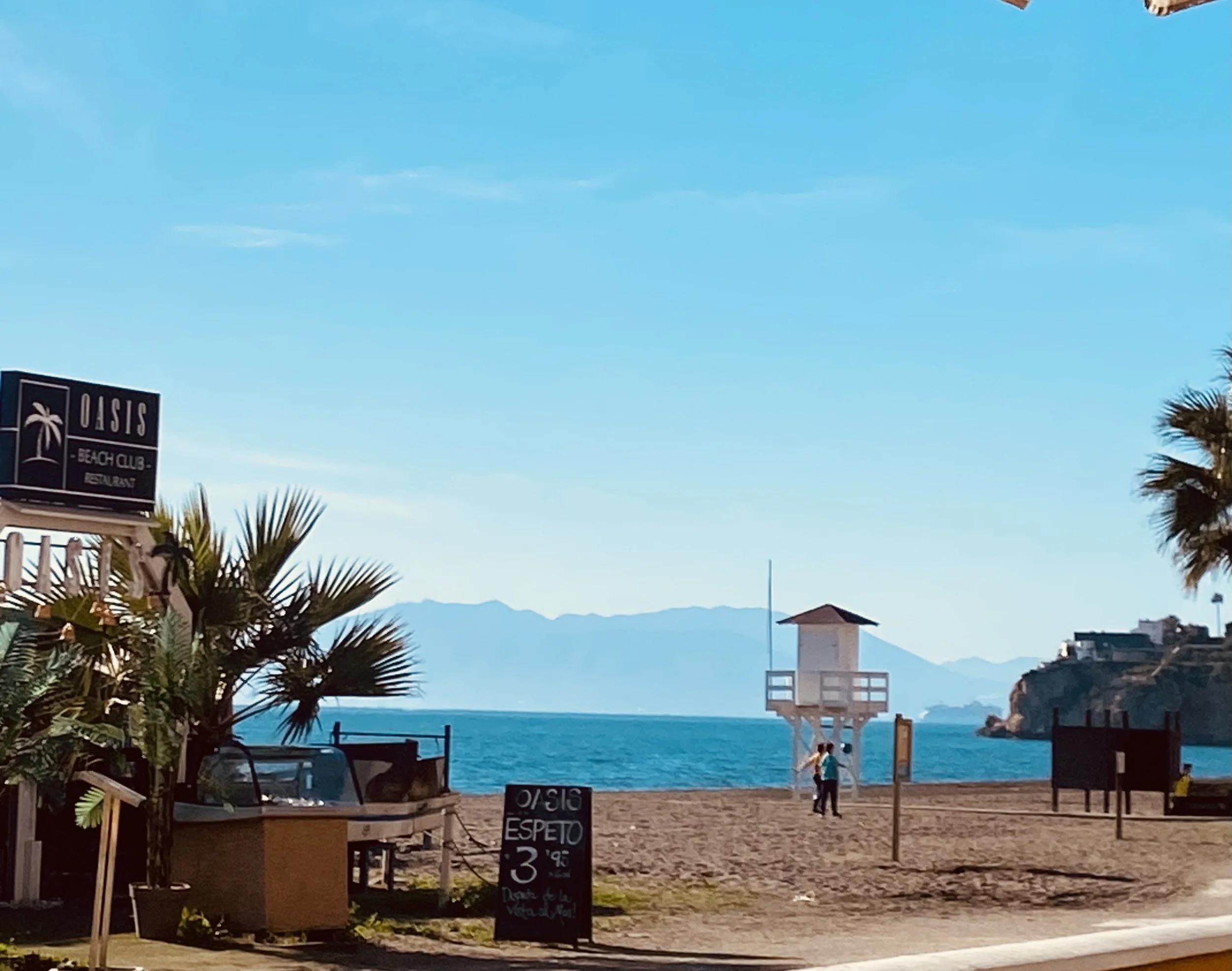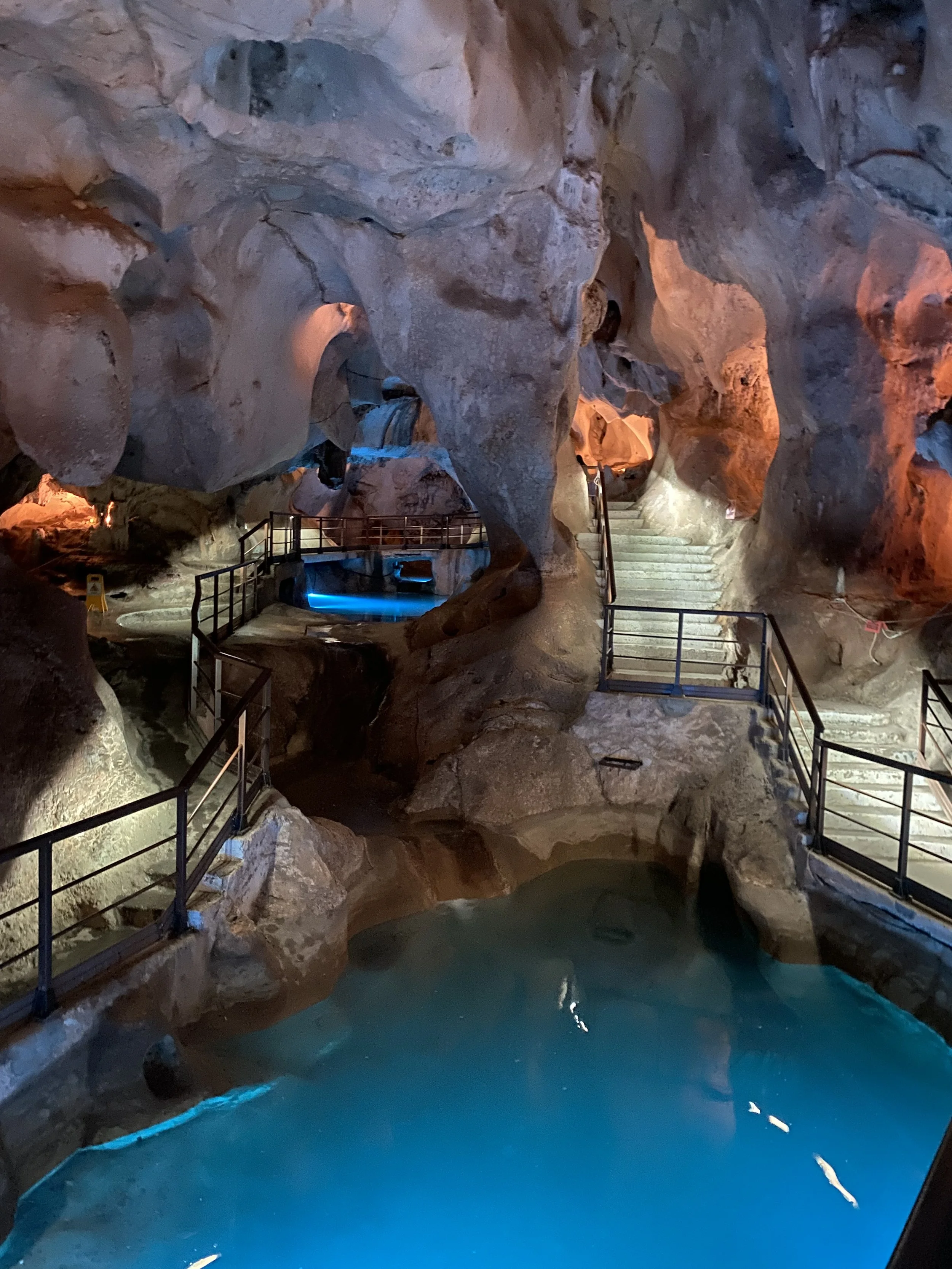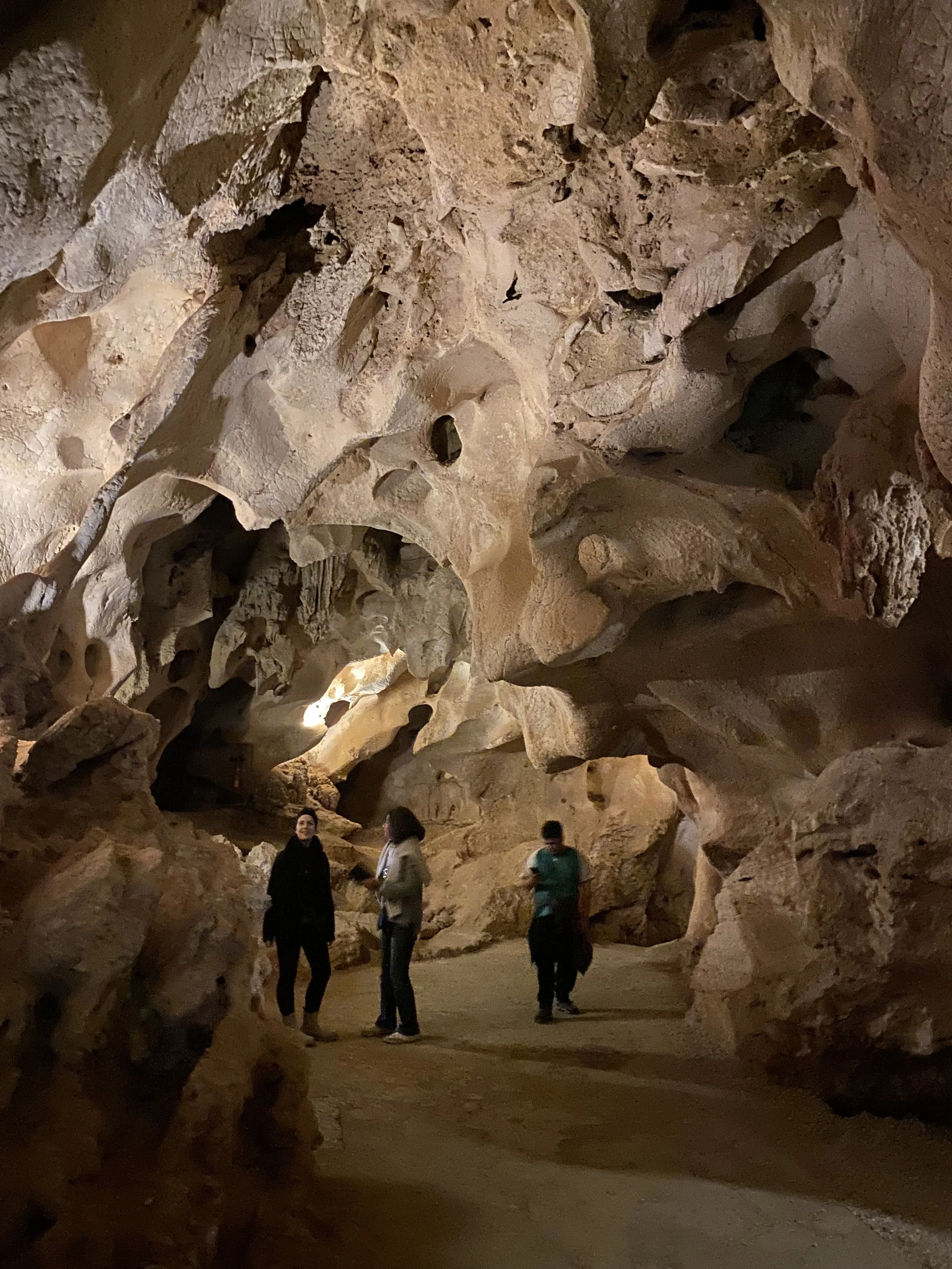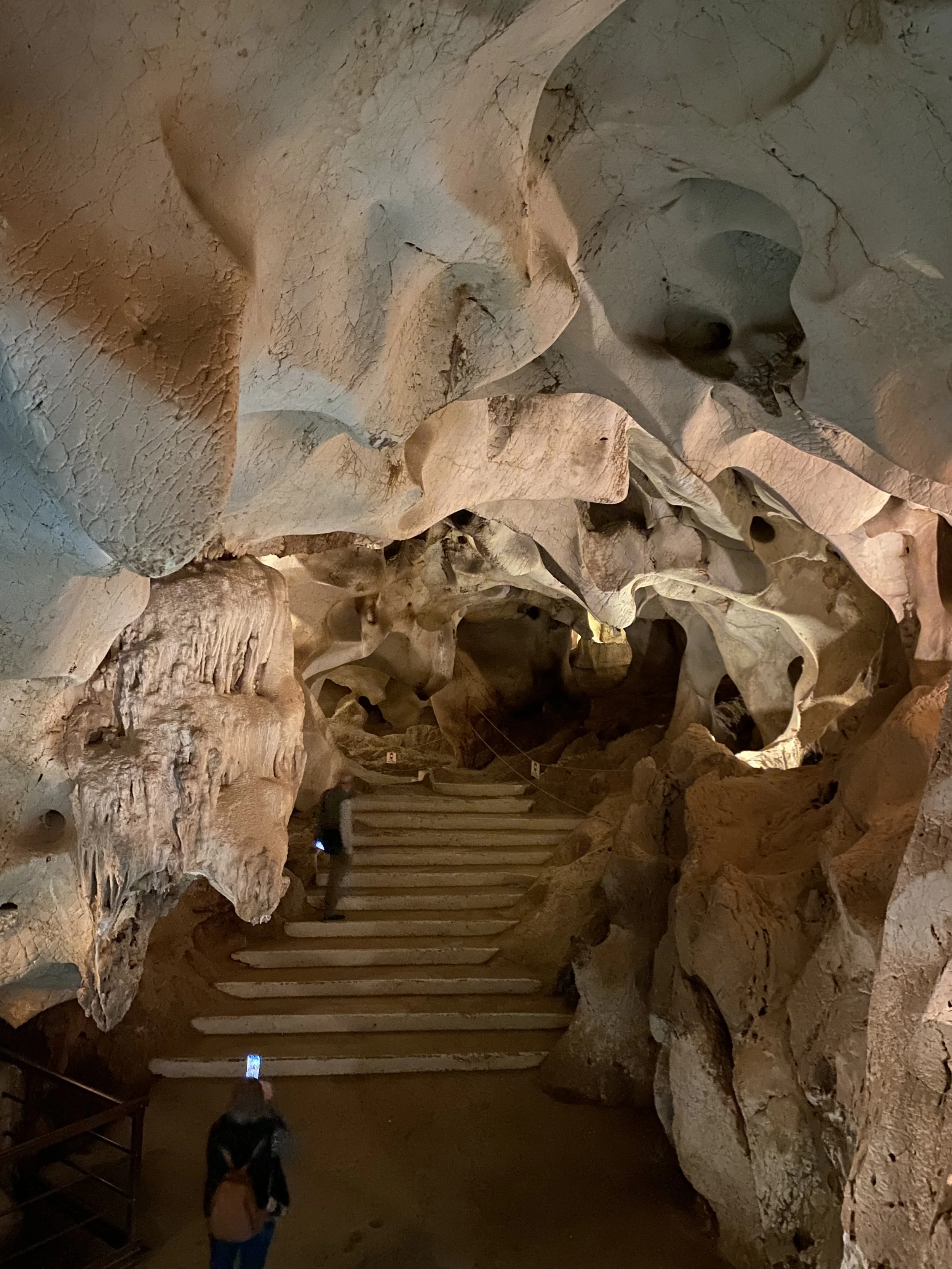
Cueva del Tesoro & Coast of Rincón - Sea-Carved Caves and Promenade
Just east of Málaga, where the Costa del Sol begins to feel more local and grounded, lies Rincón de la Victoria. Located around 40 km from Nerja, it makes an easy and rewarding day trip, especially if you enjoy places with layered history and a slower coastal rhythm.
At first glance, Rincón feels like a relaxed seaside town with beaches, cafés and a long promenade made for wandering. But beneath its cliffs lies one of Andalucía’s most unusual natural sites: Cueva del Tesoro, the Treasure Cave.
This is not a cave that tries to compete with Nerja’s. It offers something different altogether.
A Little History of Rincón de la Victoria
Rincón de la Victoria has a long and continuous history shaped by its position between the sea and the hills. Archaeological evidence shows human presence here from prehistoric times, particularly linked to the cave systems that dot the area.
Later, the Phoenicians and Romans settled along this stretch of coast, drawn by fishing, trade routes and natural shelter. During the Islamic period, the area formed part of Al-Andalus, with small coastal settlements supporting agriculture, fishing and trade. After the Christian Reconquista, Rincón remained a modest fishing and farming community well into the 20th century.
Unlike purpose-built resorts, Rincón grew gradually, which is why it still feels lived-in and authentic today. It’s a town shaped by everyday life rather than tourism alone.
Cueva del Tesoro – A Rare Marine Cave
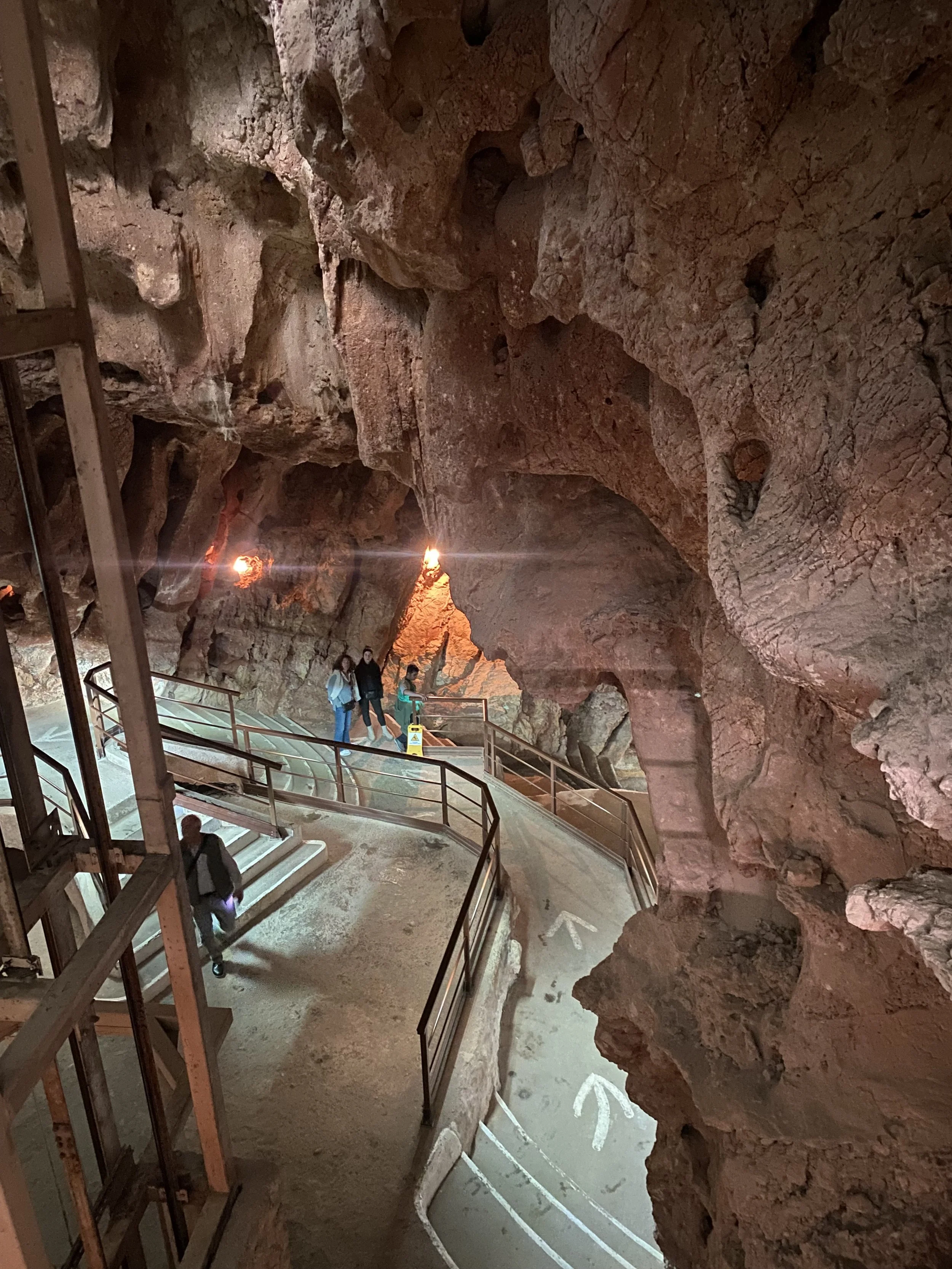
Cueva del Tesoro is one of the very few caves in the world formed by marine action and the one of its kind in Europe that can be visited on land. Instead of dramatic stalactites and vast chambers like the Nerja Caves, this cave was shaped by the movement of the sea through limestone over millions of years.
As a result, its atmosphere is completely different. The cave feels smoother, wetter and more fluid, with areas where water is still present, reminding you of its oceanic origins. This connection to the sea gives the cave a quieter, more mysterious character.
It’s fair to say that Cueva del Tesoro is not as visually grand as the Nerja Caves, but that’s not its strength. What makes it special is precisely how different it is. The presence of water, the rounded rock formations and the sense of ancient marine movement create an experience you won’t find elsewhere in Andalucía.
The cave is also archaeologically important, with evidence of prehistoric human use and cultural significance, and it is protected as a Bien de Interés Cultural.
Legends Beneath the Rock
The name “Treasure Cave” comes from local legends that speak of hidden riches concealed inside the cave during medieval times, possibly by an Almoravid ruler. These stories sparked centuries of curiosity and exploration.
No treasure has ever been found, but the legends add a layer of intrigue as you walk through chambers that feel secretive and enclosed, shaped as much by imagination as by water and stone.
Rincón Today – Promenade Walks and Creative Corners
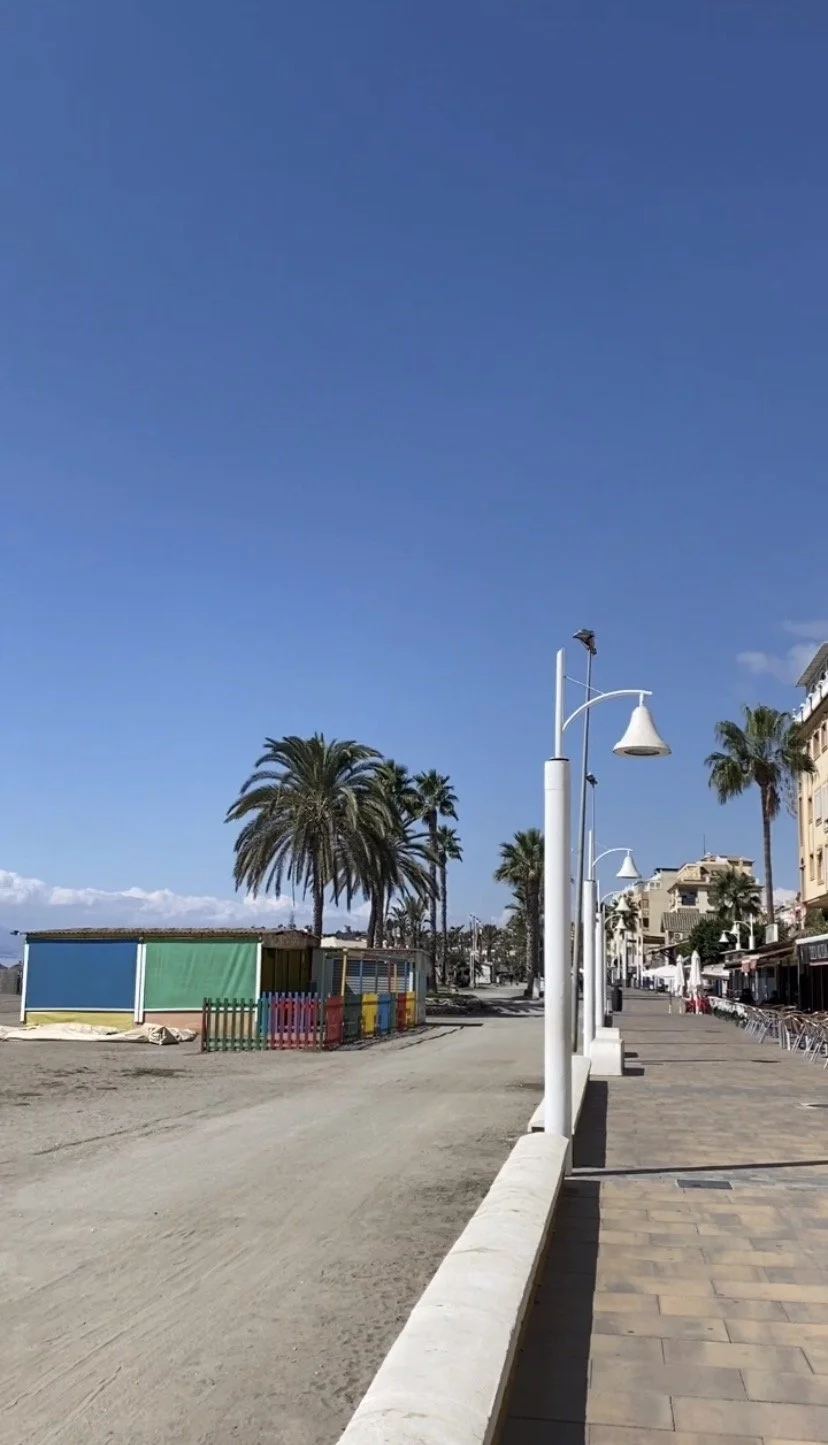
Above ground, Rincón de la Victoria is a pleasure to explore. One of its highlights is the long seaside promenade, perfect for gentle walks, sea views and slow afternoons that drift into evening.
Beyond the promenade, the town reveals independent shops, local cafés and small businesses that give it personality. As you wander, you’ll also spot wall paintings and street art, adding colour and creativity to different parts of the town and reflecting a modern cultural layer alongside its ancient past.
A Local Favourite We Always Visit
Whenever we’re in Rincón de la Victoria, we love stopping at La Canasta, a café with an easy local feel. It’s also where we buy our favourite olive oil, Molisur, a beautifully balanced Andalusian olive oil that’s well worth trying if you appreciate good produce. Check out our Favorite Olive Oil
Why It’s Worth the Trip from Nerja
Cueva del Tesoro and Rincón de la Victoria offer something complementary to what many Nerja lovers already know. The cave may not be as dramatic as Nerja’s, but its marine origins and water-filled spaces make it truly unique, and the town itself is ideal for a relaxed wander, lunch by the sea and a change of scenery.
It’s a gentle, interesting and very Andalusian escape that rewards curiosity rather than spectacle.
Contact: Cueva del Tesoro