Málaga City - History Meets Hipster Cool
Malaga City
Just about 45-min to one hour from Nerja, Málaga is no longer the sleepy port it once was. Once considered merely a gateway to the Costa del Sol, the city has quietly transformed into one of Europe’s most stylish urban escapes - arguably even outpacing Barcelona in cool-factor. A day or weekend here blends ancient history with edgy galleries, food markets with fusion tapas, Roman ruins with rooftop cocktails. It’s this mix of tradition and reinvention that’s turned Málaga into a hipster haven by the sea.
History of Malaga
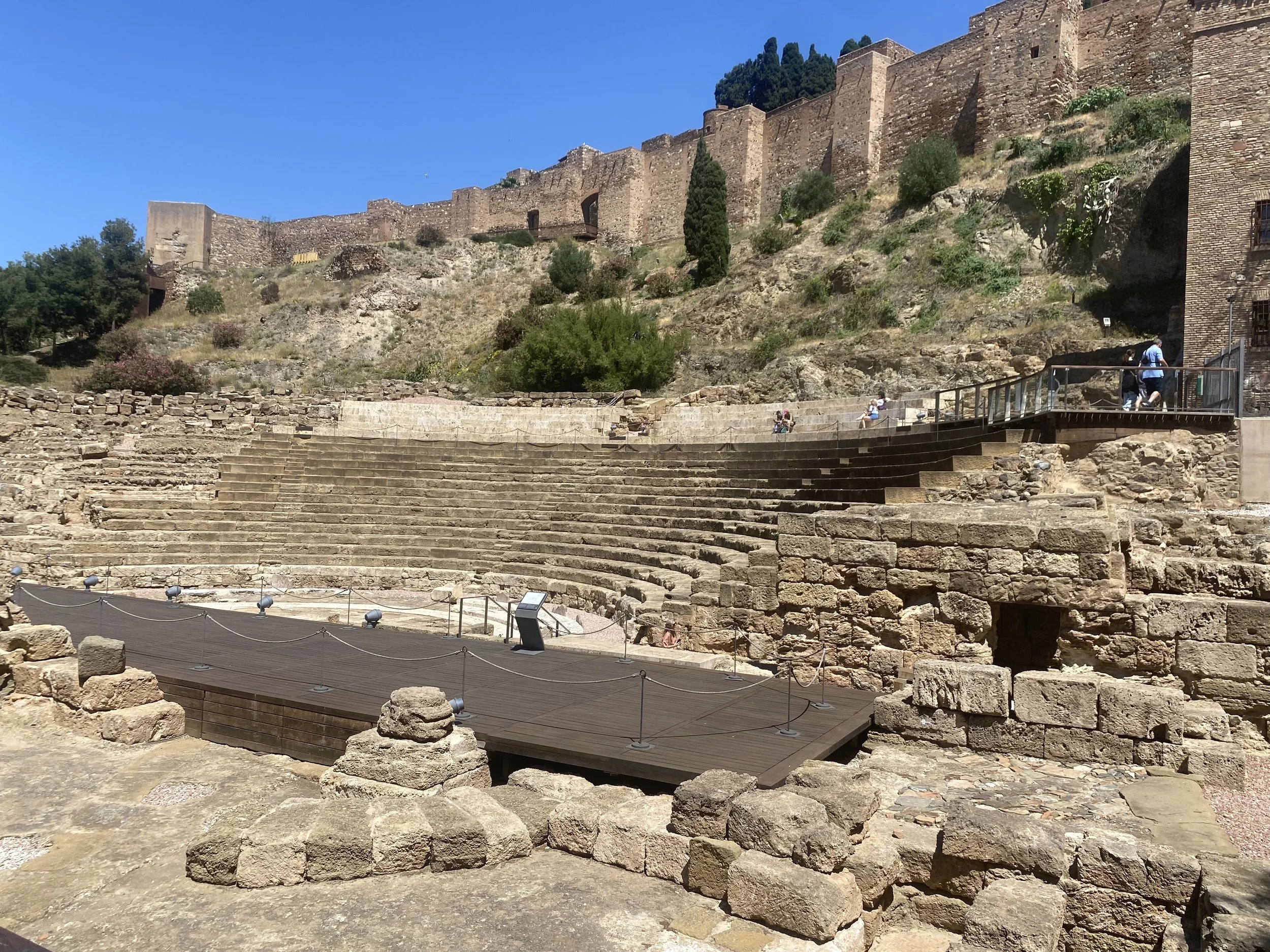
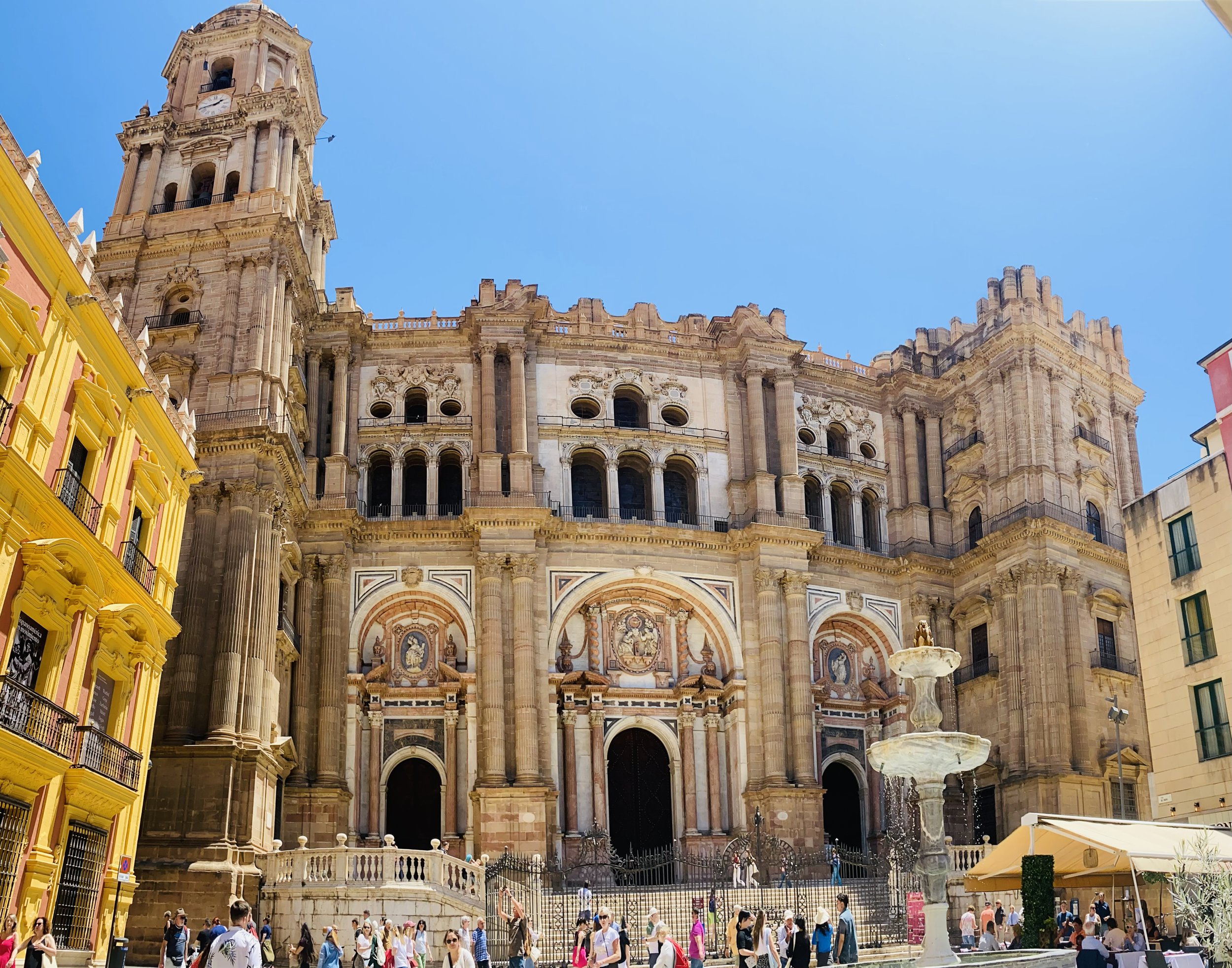
Málaga is one of Europe’s oldest cities, founded by the Phoenicians around 770 BC as Malaka. Its rich history includes Roman rule—visible in the Roman Theatre—followed by nearly 800 years of Moorish influence, during which the Alcazaba and Gibralfaro Castle were built. In 1487, it was taken by the Catholic Monarchs during the Reconquista, marking the start of Christian rule and the construction of landmarks like the unfinished cathedral, La Manquita.
In the 19th century, Málaga became an industrial powerhouse, but later faced economic hardship. The Spanish Civil War left deep scars, but in recent decades the city has transformed. Today, Málaga is a cultural hub blending its ancient roots with modern creativity—home to museums, festivals, and the legacy of Picasso, its most famous son!
And let’s not forget another celebrity whom often can be seen strolling around Malaga- Antonia Banderas.
What to See
At the heart of Málaga’s old town lies the Roman Theatre, where timeworn stone steps still face a stage that once echoed with Latin verse. Just above, the Alcazaba rises through palm-filled courtyards, Moorish arches, and the soft trickle of fountains. The climb unfolds gradually, with panoramic views across the city, harbour, and surrounding hills.
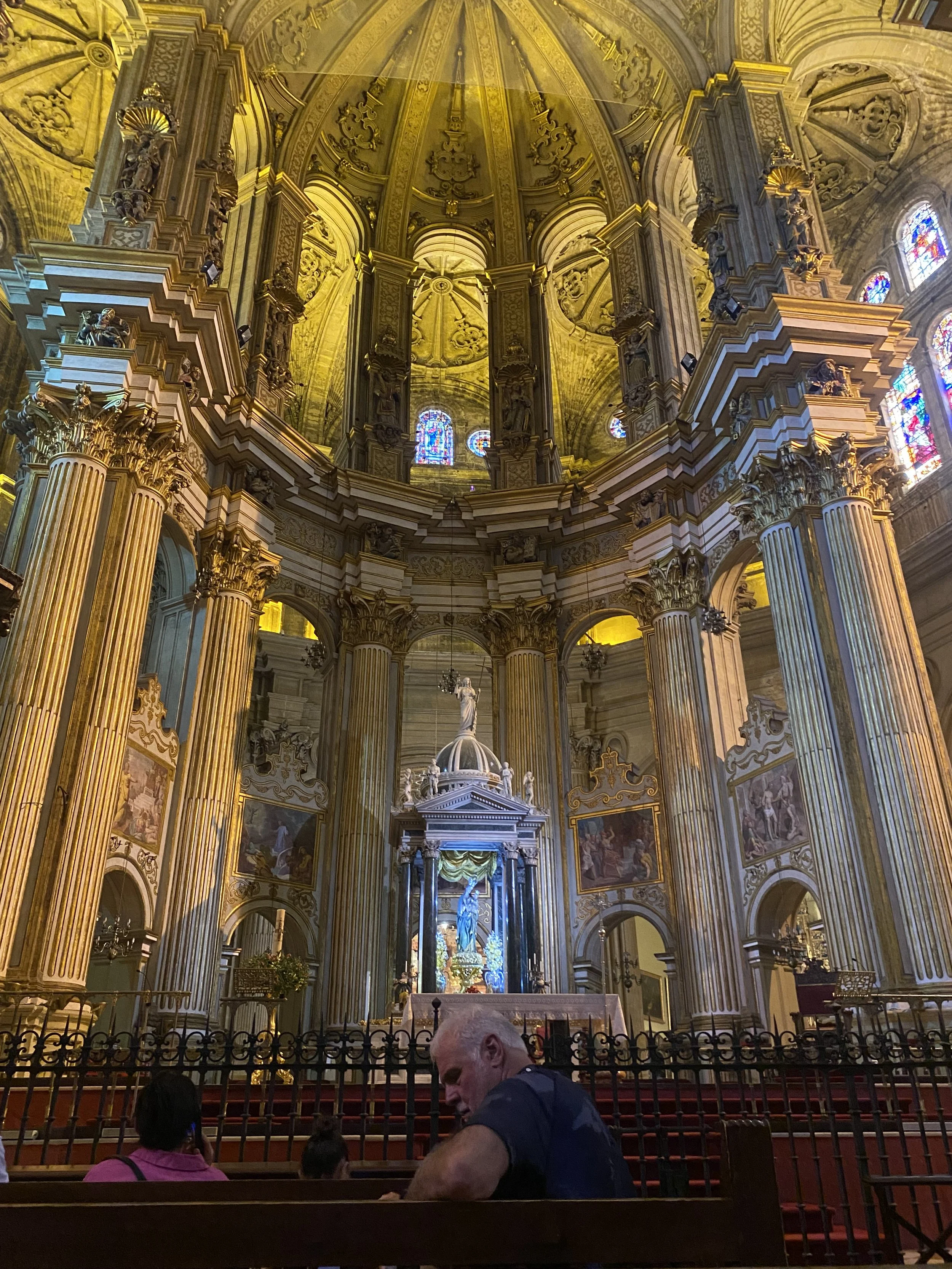
Close by stands the Cathedral, known locally as La Manquita, the one-armed lady, missing her second tower. Entry is ticketed, but those who step inside are met with quiet grandeur — ornate altars, towering columns, and a soft play of light that gives the space a calm, reflective atmosphere.
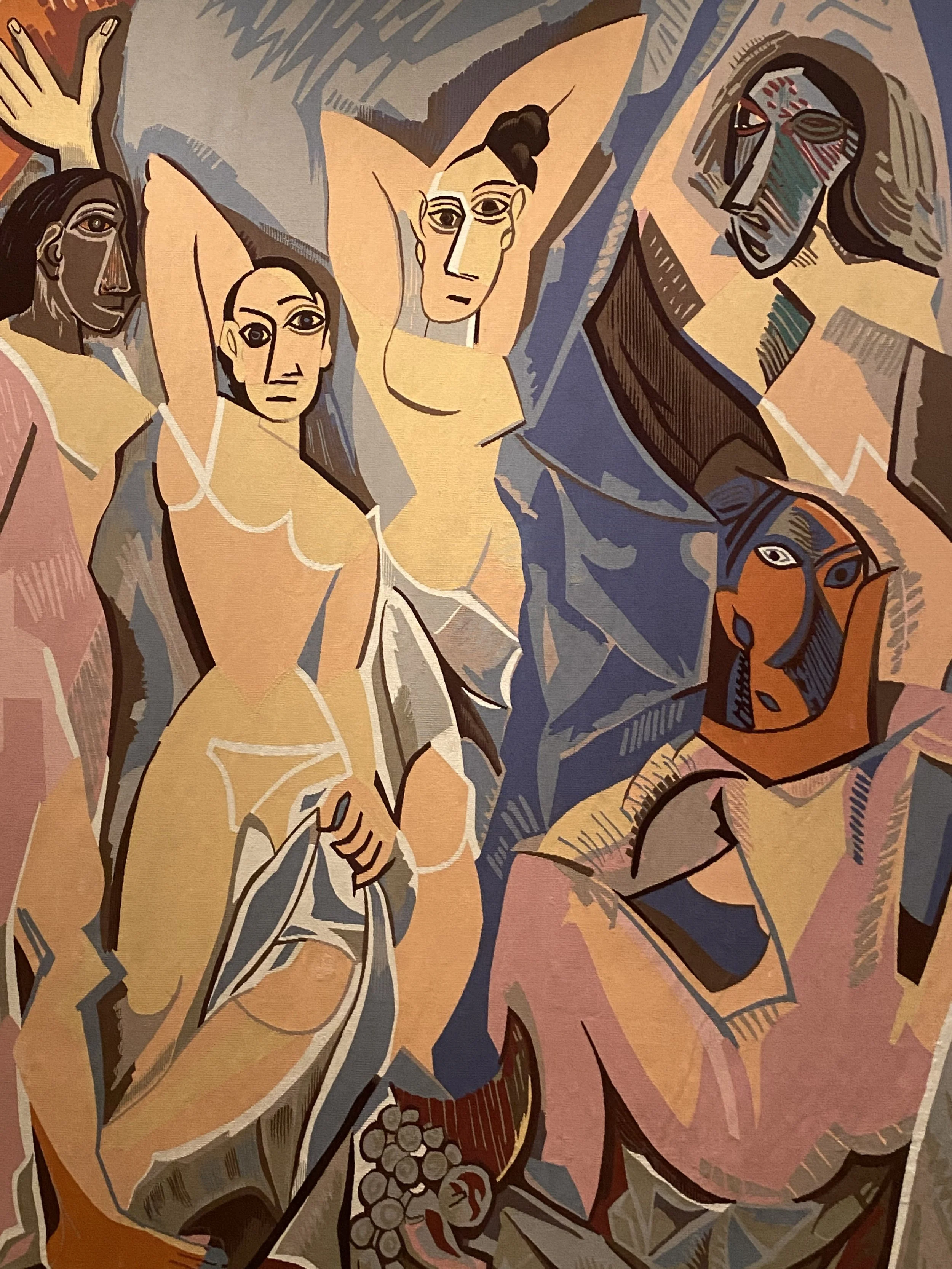
Art lovers are naturally drawn to the Museo Picasso Málaga, housed in a Renaissance palace and home to a rotating collection of more than 200 works. Just as telling as the museum itself is what surrounds it: independent bookshops, boutique hotels, and cosy coffee houses that give this part of the city a creative, lived-in charm.
For a taste of everyday life, the Mercado de Atarazanas is a lovely stop, particularly in the morning or around lunchtime. Beneath its colourful stained-glass windows, the market hums with energy — fresh seafood, local produce, and wines by the glass turning food into an experience rather than a quick meal.
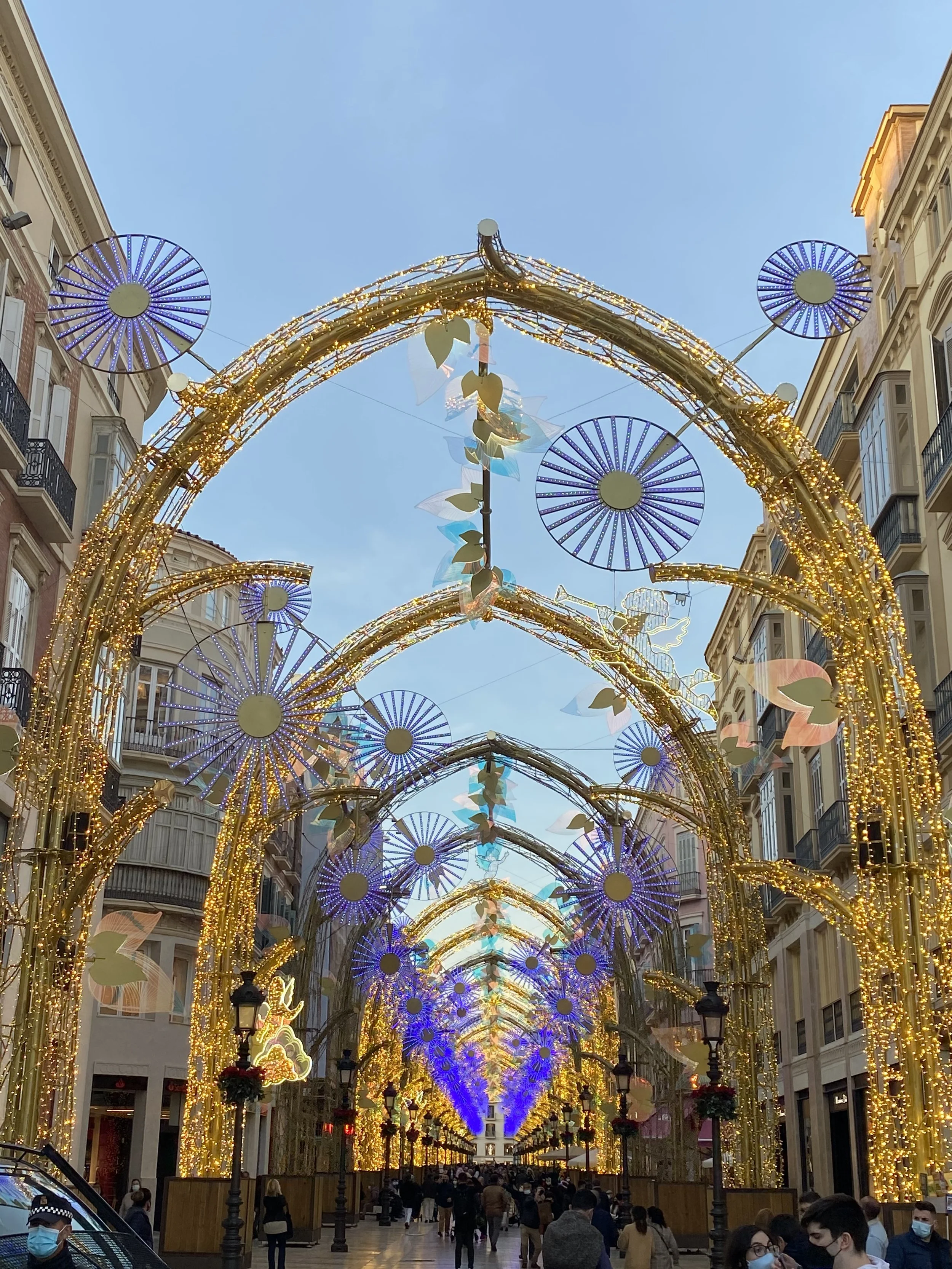
A wander along Calle Larios offers a different rhythm altogether. Málaga’s marble-floored main street feels elegant and theatrical, especially towards dusk when light installations and street performers bring it to life. If shopping is the main focus, a trip to McArthurGlen Designer Outlet, closer to the airport, can be a practical alternative to the city centre.
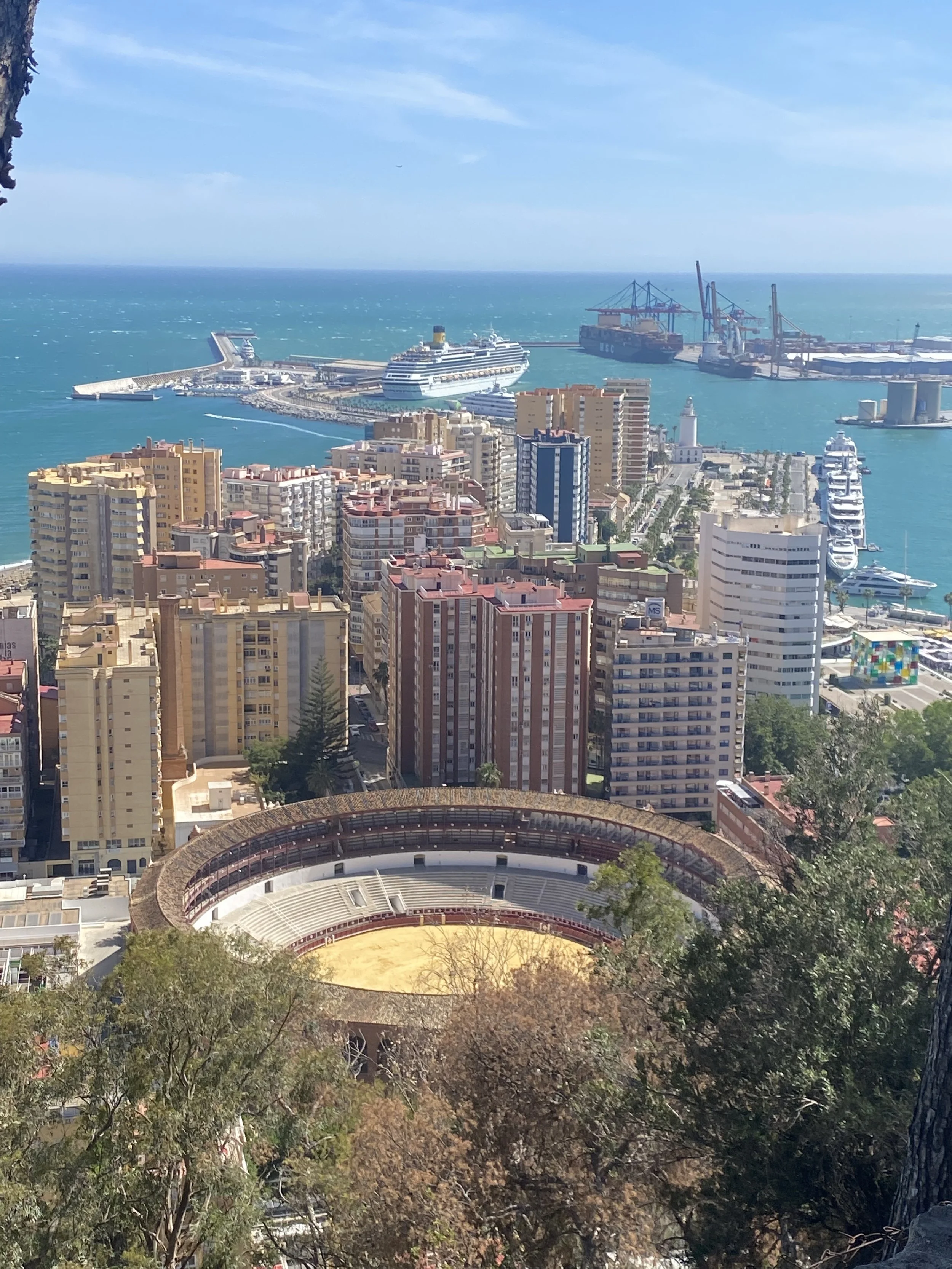
For one of Málaga’s most memorable viewpoints, the path up to the Castillo de Gibralfaro reveals the city in full — rooftops, cathedral domes, and coastline blending into the horizon. In the warmer months, driving up can be a sensible choice, as the walk is a fair one.
The Málaga Bullring remains an important historic landmark, offering insight into the architecture and cultural history of the region. Although it is still used during certain festival periods, many visitors now approach it as a place to understand a long-standing tradition that is increasingly questioned today, in relation to animal welfare.
Closer to the sea, a walk along the Muelle Uno harbour promenade is always rewarding. Once a working port, it has evolved into a relaxed space of galleries, pop-up food spots, and open-air cafés. Underground parking here also makes it a convenient place to leave the car while exploring on foot.
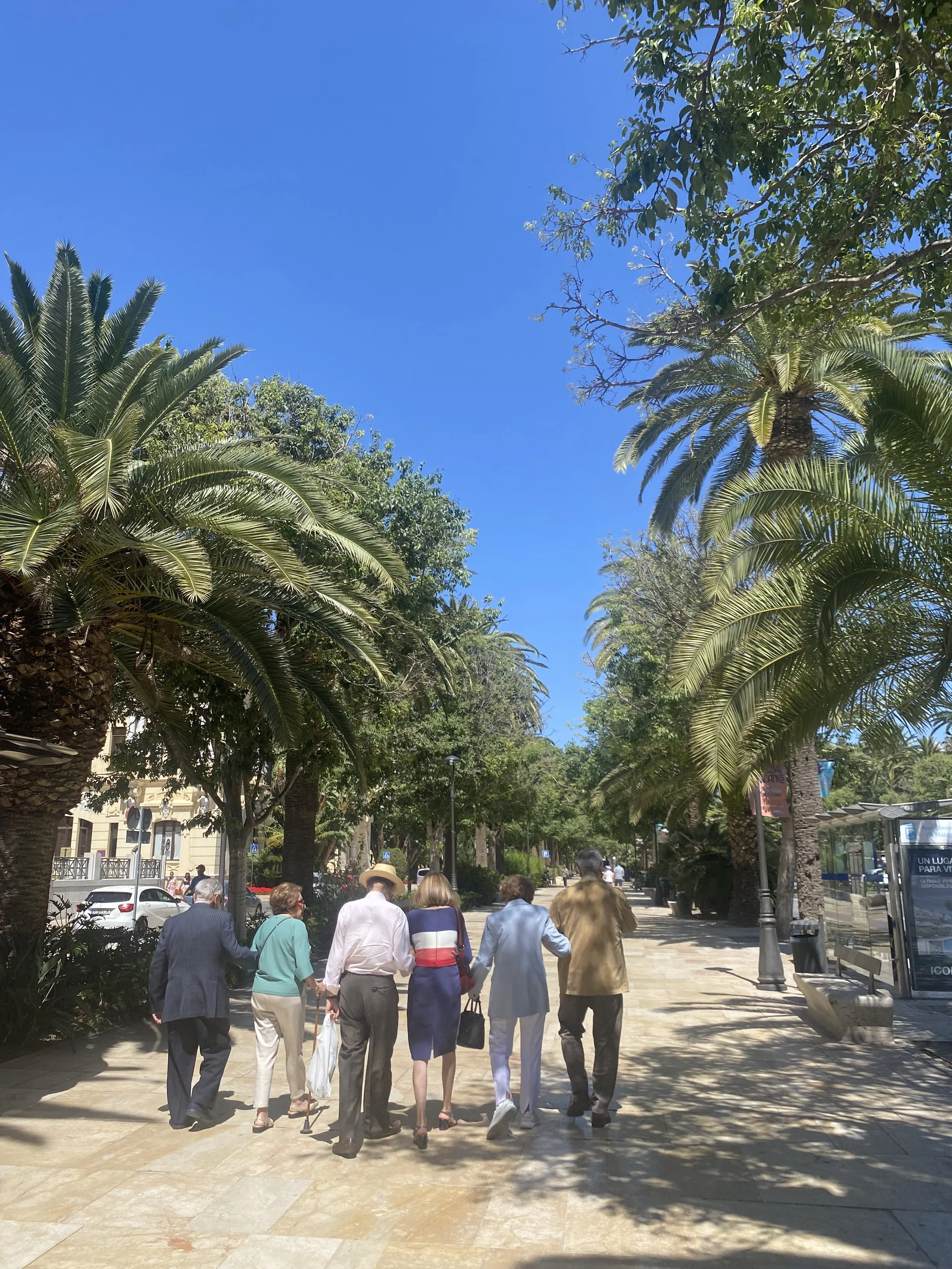
Just beyond, La Malagueta beach offers a laid-back contrast to the city streets. Urban yet unpretentious, it’s where families, swimmers, and walkers naturally coexist, whether for a quick dip in warmer months or an evening stroll as the sky shifts from gold to coral.
For those visiting with children, the Museum of Illusions adds a playful note to the city experience. You’ll find more about it over on our Nerja Amigos Kids Club page.
NOTE: Málaga isn’t a city to rush. With museums, landmarks, and neighbourhoods that each invite time and attention, it’s best enjoyed over more than one visit - a place we return to again and again, always finding something new.
Special Events of the Year
At Christmas, Málaga transforms into a glowing wonderland, with Calle Larios lit up in a kaleidoscope of dazzling lights that dance to music and draw visitors from all over Spain. But the magic doesn’t end there—this city knows how to celebrate. In February, Carnaval bursts onto the scene with flamboyant costumes, satirical parades, and street performances that fill the historic centre with colour and laughter. Then comes Semana Santa, where solemn processions and haunting music reflect centuries of deep tradition. And just when summer peaks, the legendary Feria de Málaga takes over the streets and fairgrounds for a full week of flamenco, fireworks, and non-stop fiesta. From sacred to playful, Málaga’s festival calendar is a non-stop celebration of Andalusian spirit.
Food and Tapas
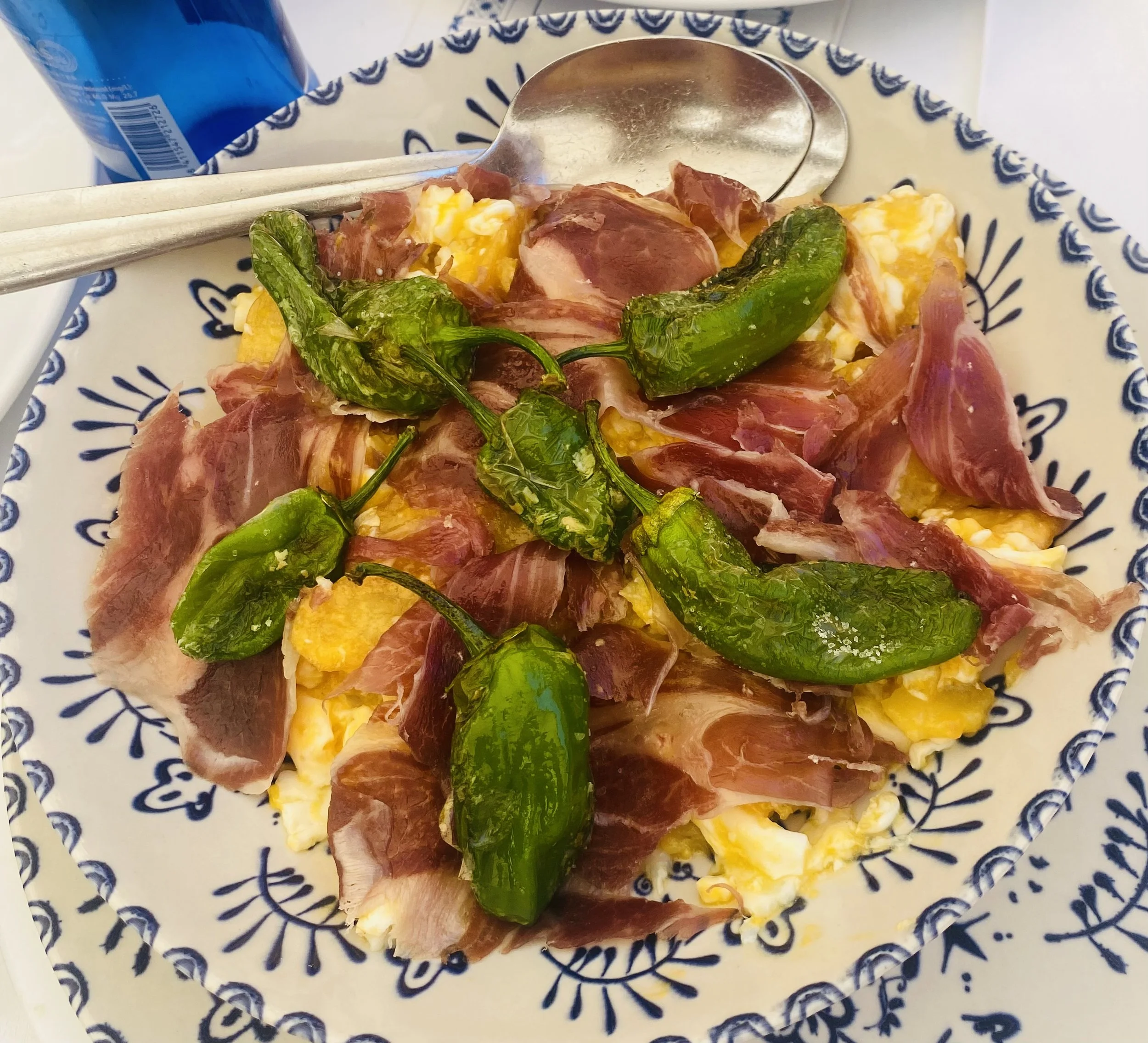
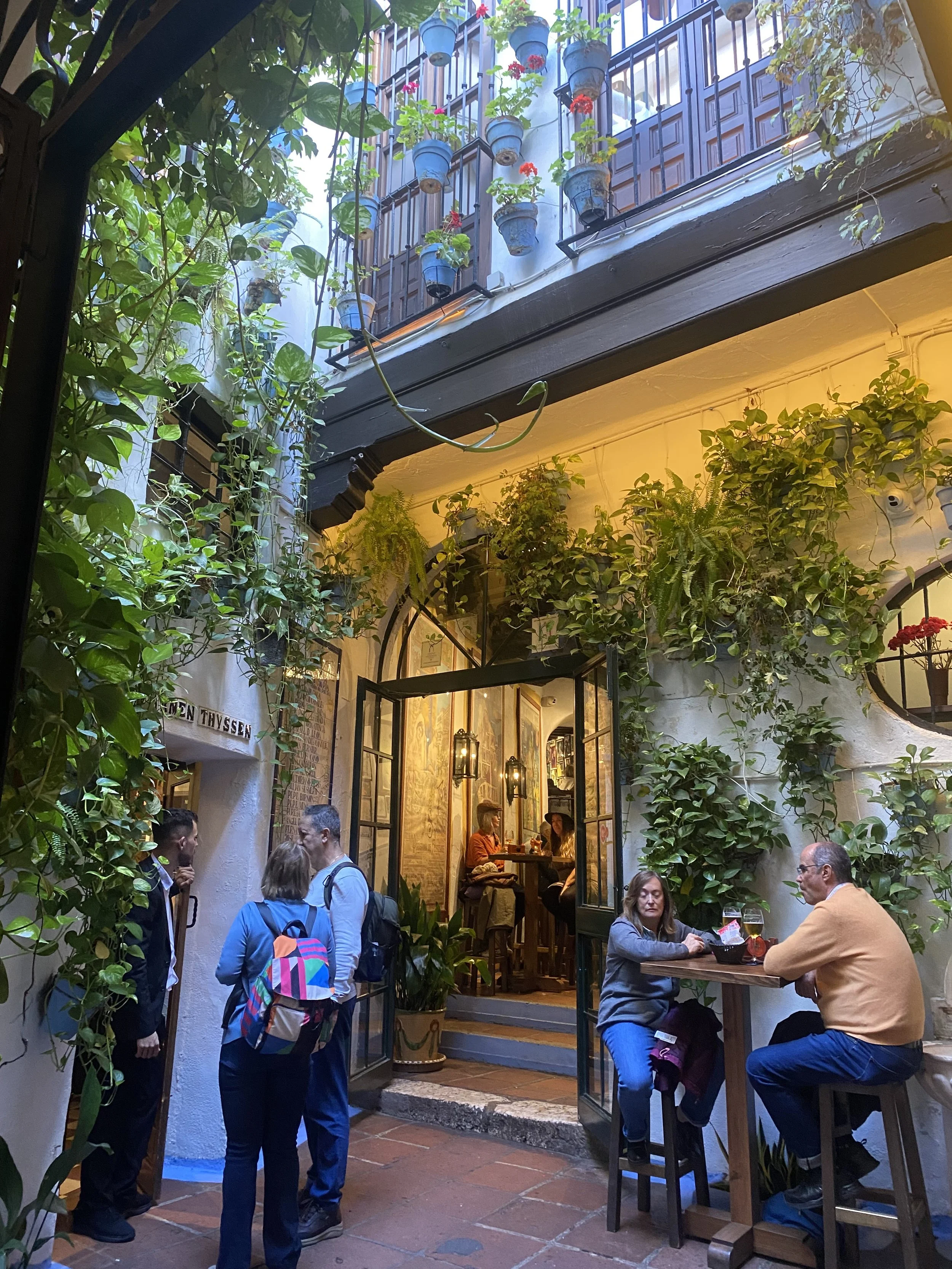
Málaga’s food scene is as vibrant as its festivals—blending tradition with innovation, sea breeze with spice. For a true taste of local life, start with El Pimpi, a legendary bodega tucked beside the Roman Theatre. Covered in old photos and wine barrels signed by celebrities, it’s the place to sip sweet Málaga wine and graze on Andalusian classics like berenjenas con miel (fried aubergines with cane honey) and jamón ibérico.
You’ll find Málaga buzzing with energy and an endless choice of food spots, from lively tapas bars to more contemporary kitchens. Expect colourful plates of classic favourites like grilled seafood, croquettes, and patatas bravas, often enjoyed with a chilled vermouth or a glass of local wine. Many kitchens now blend tradition with creativity, giving familiar Andalusian flavours a modern twist while staying rooted in local ingredients and seasonal produce.
If seafood is what you’re craving, Málaga is especially rewarding. Close to the coast and harbour, it’s easy to find places serving fresh, simply grilled fish, shellfish, and oysters, alongside carefully chosen wines, all enjoyed in relaxed settings that reflect the city’s connection to the sea.
And for the curious foodie, Mercado de Atarazanas is more than a market—it’s a tasting experience. Grab a stool at one of the casual bars inside, order a tinto de verano or local caña, and try tapas made with ingredients plucked straight from the stalls.
Tapa‑Alert at Mercado Atarazanas
Tapas here can be a bit pricier than expected — always ask the price before ordering to avoid surprises—and enjoy the flavours without shock!
Whether it’s rustic charm or trendy bites, Málaga delivers food that’s full of soul—and best enjoyed at a leisurely pace, with good company and sunshine on the side. Take your time to chose the restaurants as many which are just by the local attractions will be heftier priced than if you walk a bit further away.
Transport & Parking Tips
Buses from Nerja: Regular coach services by Alsa run from Nerja’s main bus station directly to Málaga city centre — convenient, affordable, and stress-free.
Parking at Muelle Uno: There’s a large underground public car park right under Muelle Uno. It’s easy to access, secure, and keeps you in the heart of the portside promenade.
Málaga isn’t a city to tick off, but one to return to — changing with the seasons, from summer sea breezes to winter evenings lit by Christmas lights, always offering something new to discover.