Comares - The Balcony of the Axarquía
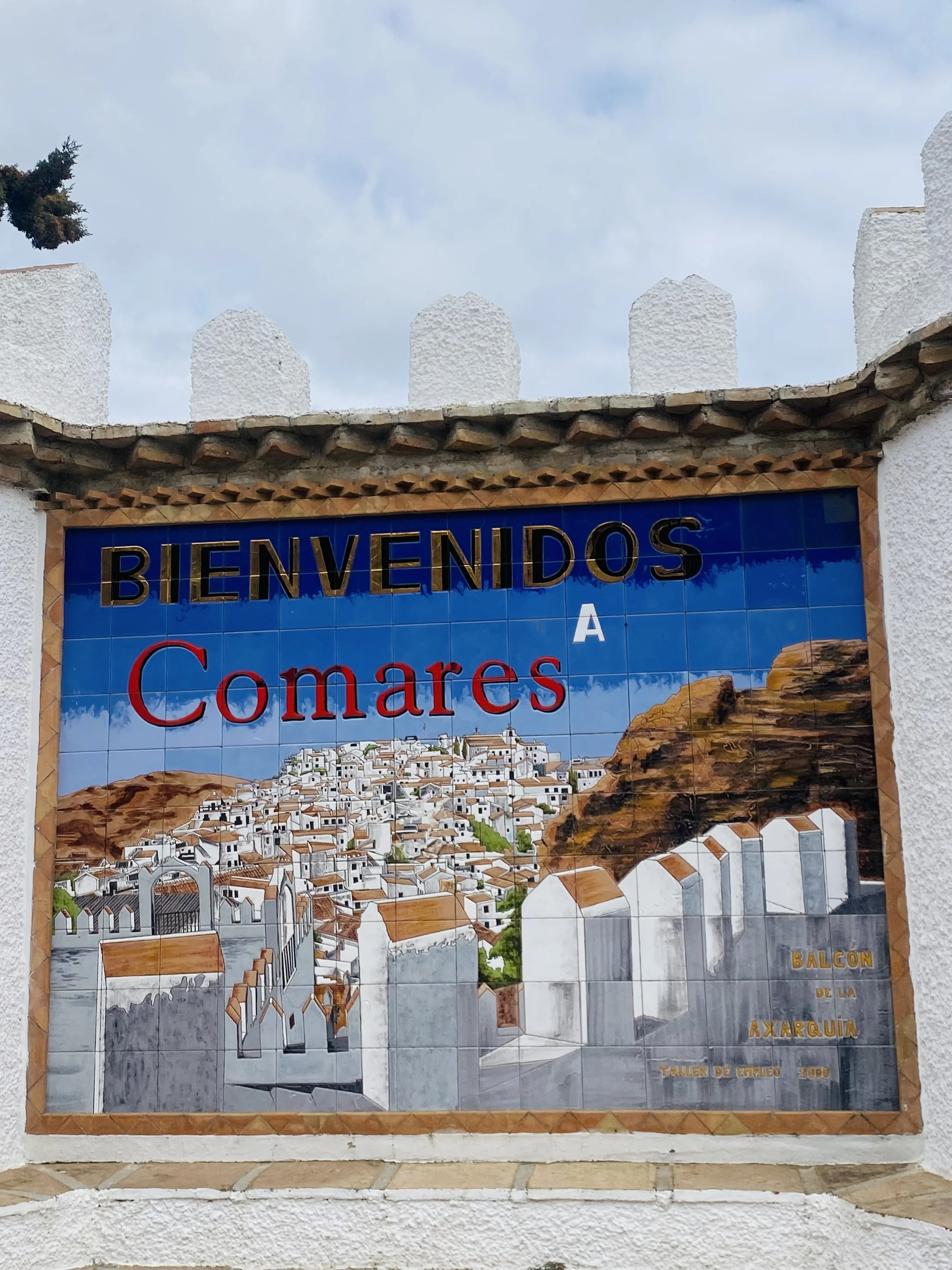
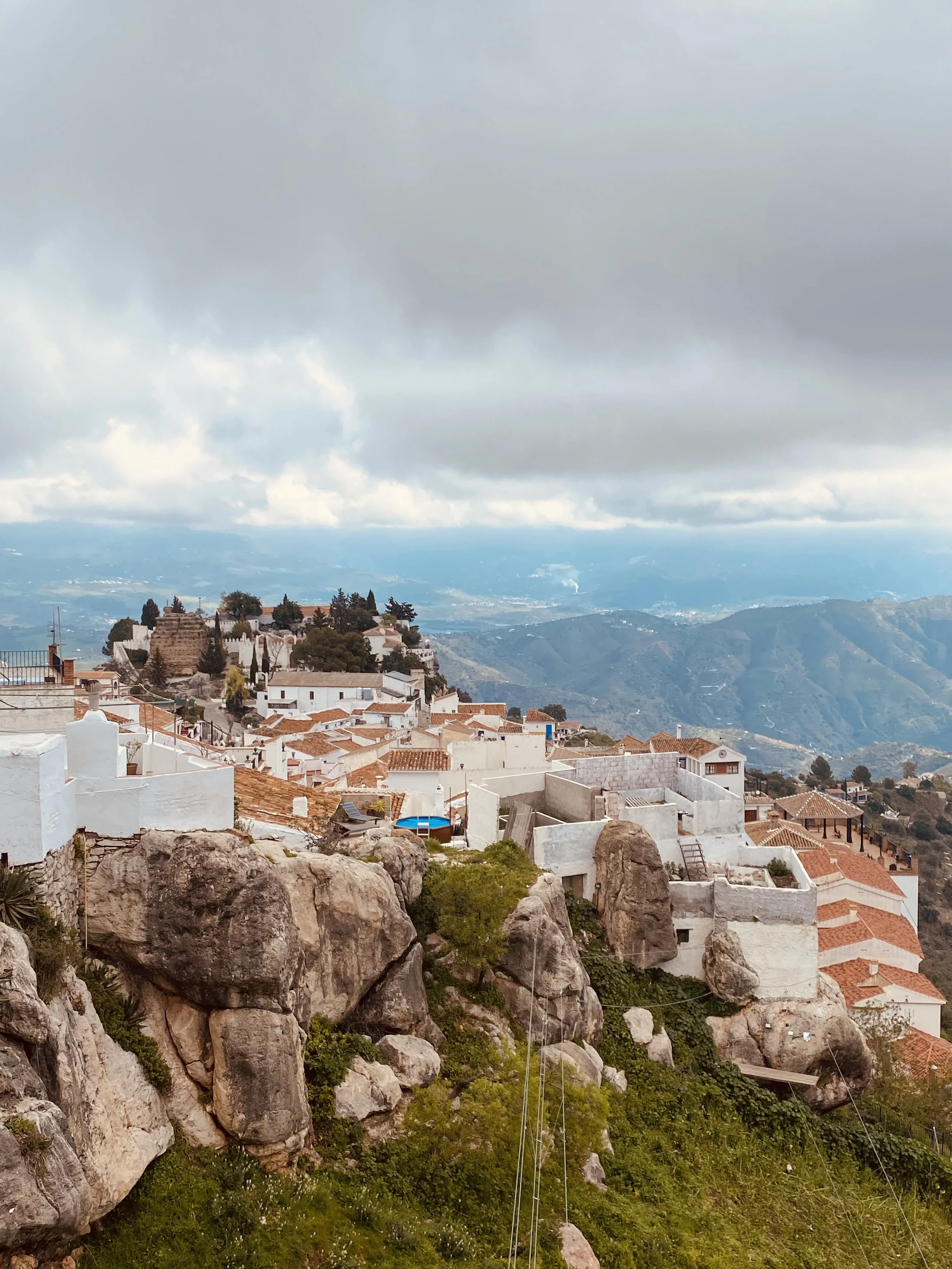
High above the rolling hills of the Axarquía, perched dramatically on a narrow mountain ridge, sits one of the most striking villages in the region - Comares. Known as El Balcón de la Axarquía, the Balcony of the Axarquía, this white village rises more than 700 metres above sea level, offering sweeping views across olive groves, almond fields and distant mountains that seem to stretch endlessly toward the Mediterranean.
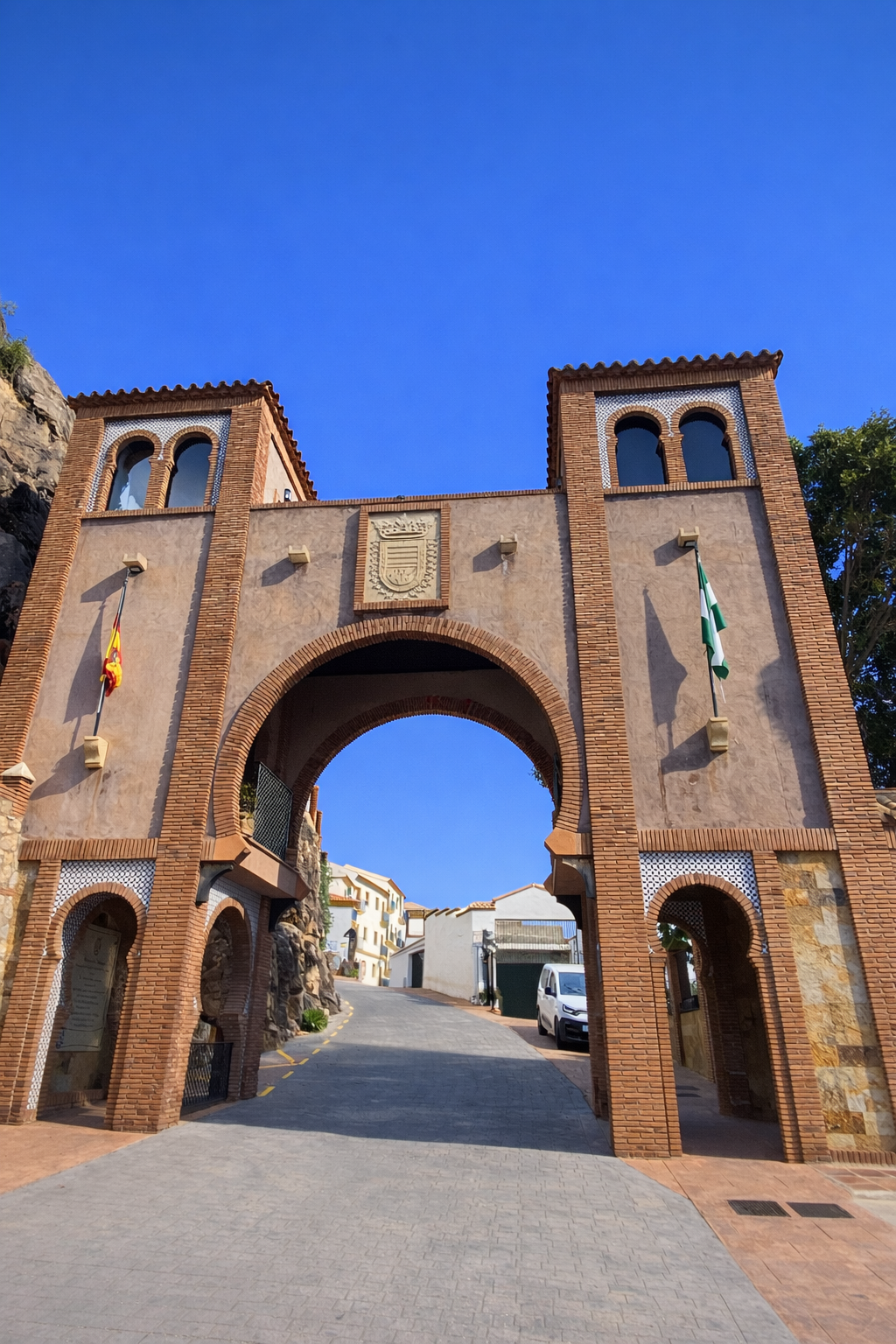
The journey up to Comares is already part of the experience. About 50km from Nerja, and takes about 1 hour. The winding road climbs steadily through the countryside before revealing the village sitting proudly on its rocky ridge. As you approach the village, there are some parking spaces before the entrance to the village. Then you pass through Puerta de Málaga, the historic gateway marking the entrance to Comares. In earlier times this gate formed part of the defensive system protecting the hilltop settlement. Just beside the entrance you will also find a small visitor information centre, where you can pick up leaflets and maps of the village, making it easy to follow the historical walking routes through Comares. Passing through the gateway today feels like stepping into another time, where narrow streets wind their way through whitewashed houses and the pace of life slows to the rhythm of the mountains.
Once inside, Comares can only be done on foot. Comares has deep Moorish roots, and its strategic position made it an important fortress during the time of Al-Andalus. The village was once linked to the rebellious Moorish leader Omar Ben Hafsún, who resisted the rule of Córdoba in the 9th century and used the mountain strongholds of Málaga province as part of his defence network. Even today, the layout of the village reflects its Islamic past, with narrow winding streets designed both for protection and shade.
Many visitors arrive in Comares and head straight to the main plaza and mirador, where the views across the Axarquía are truly breathtaking. Around the plaza and nearby streets there are several small cafés and restaurants, perfect for stopping to enjoy something to eat or drink while soaking up the relaxed village atmosphere.
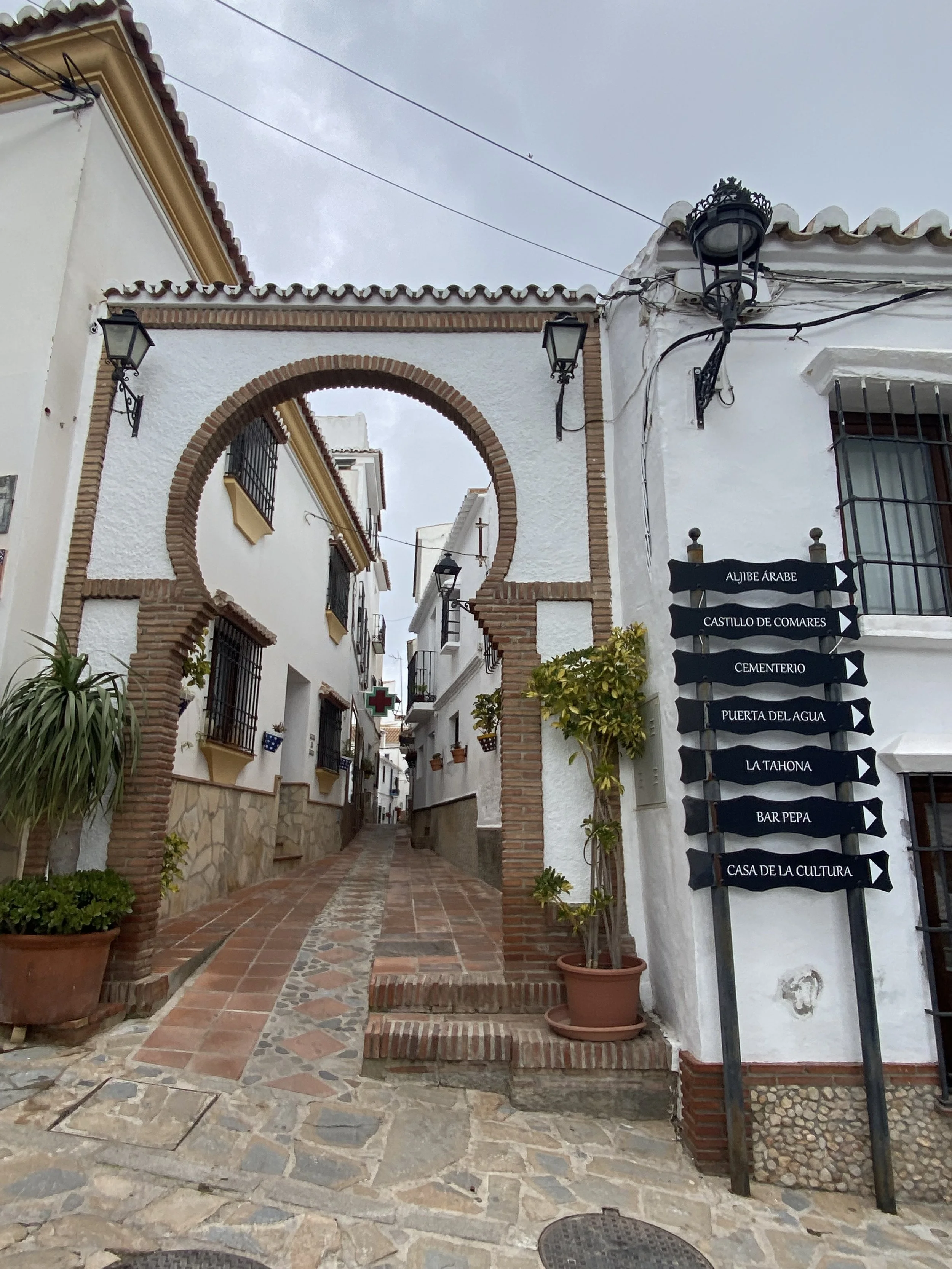
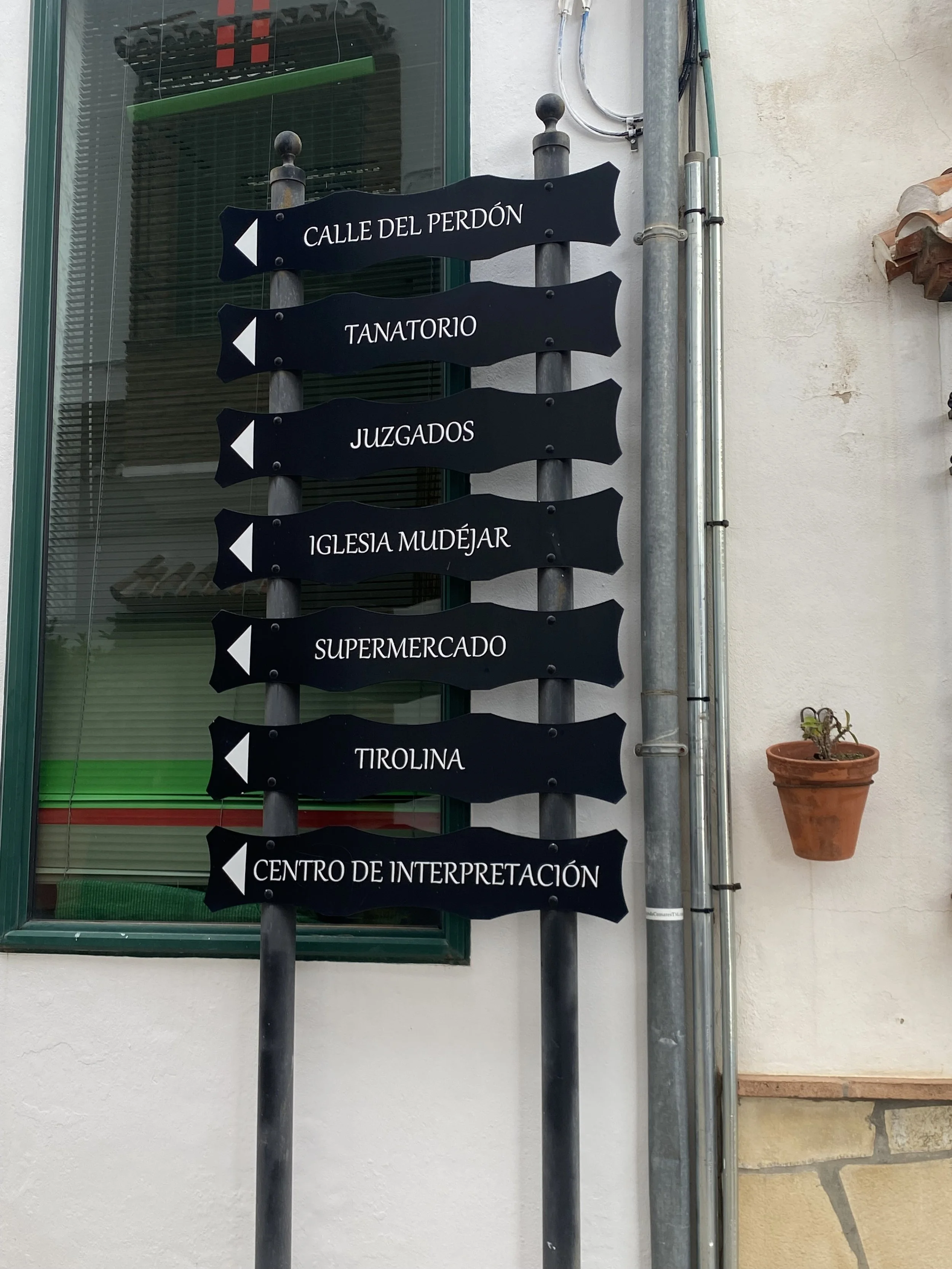
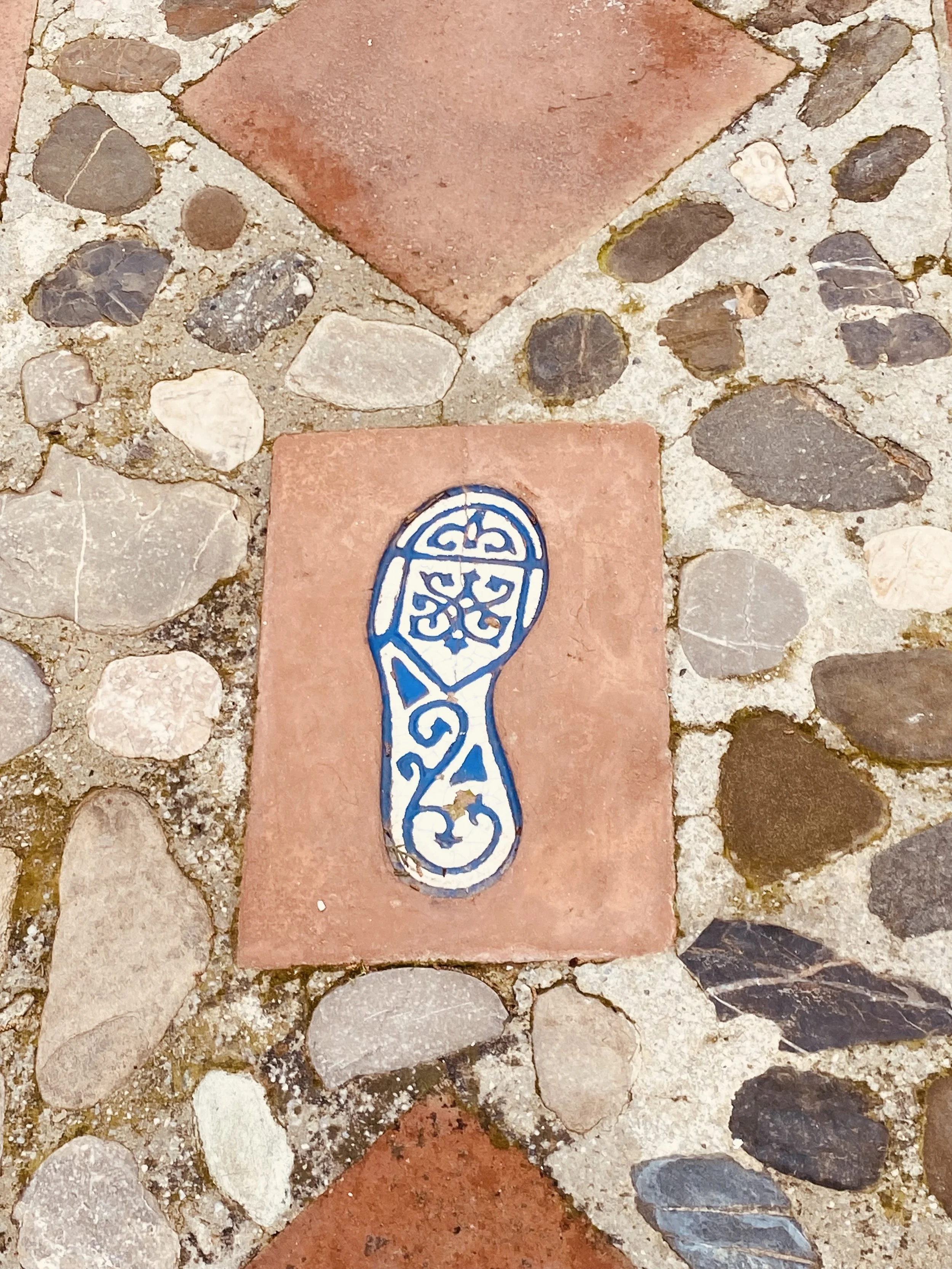
One of the charming places to wander is Calle de los Arcos Musulmanes, where elegant arches frame the whitewashed streets and offer a glimpse into the architectural heritage of the village. Throughout the village you will also notice ceramic footsteps set into the paths, guiding visitors along a historical walking route through Comares. Following these footsteps is a wonderful way to discover the village properly, leading you through quiet streets, hidden corners and spectacular viewpoints. You will see these on each side of the signposts as you pass the Plaza Cafe and walk towards the village.
Comares is actually a little bigger than many expect, and it is well worth taking the time to walk further through the village. The Church of Nuestra Señora de la Encarnación, built in the early 16th century is located deeper within the village and takes about a ten-minute walk from the plaza. Its tower rises above the surrounding houses and remains a recognisable landmarks of Comares.
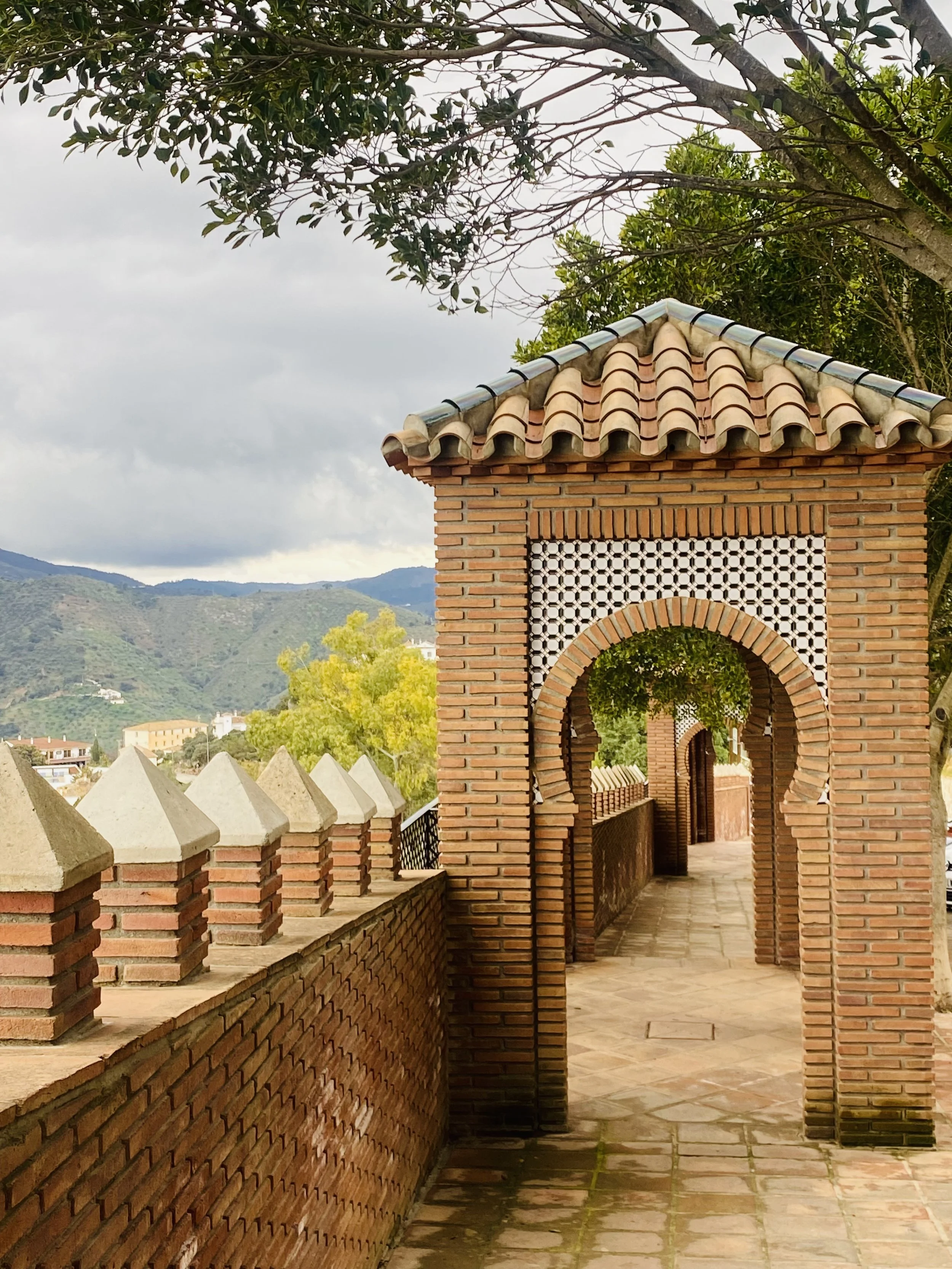
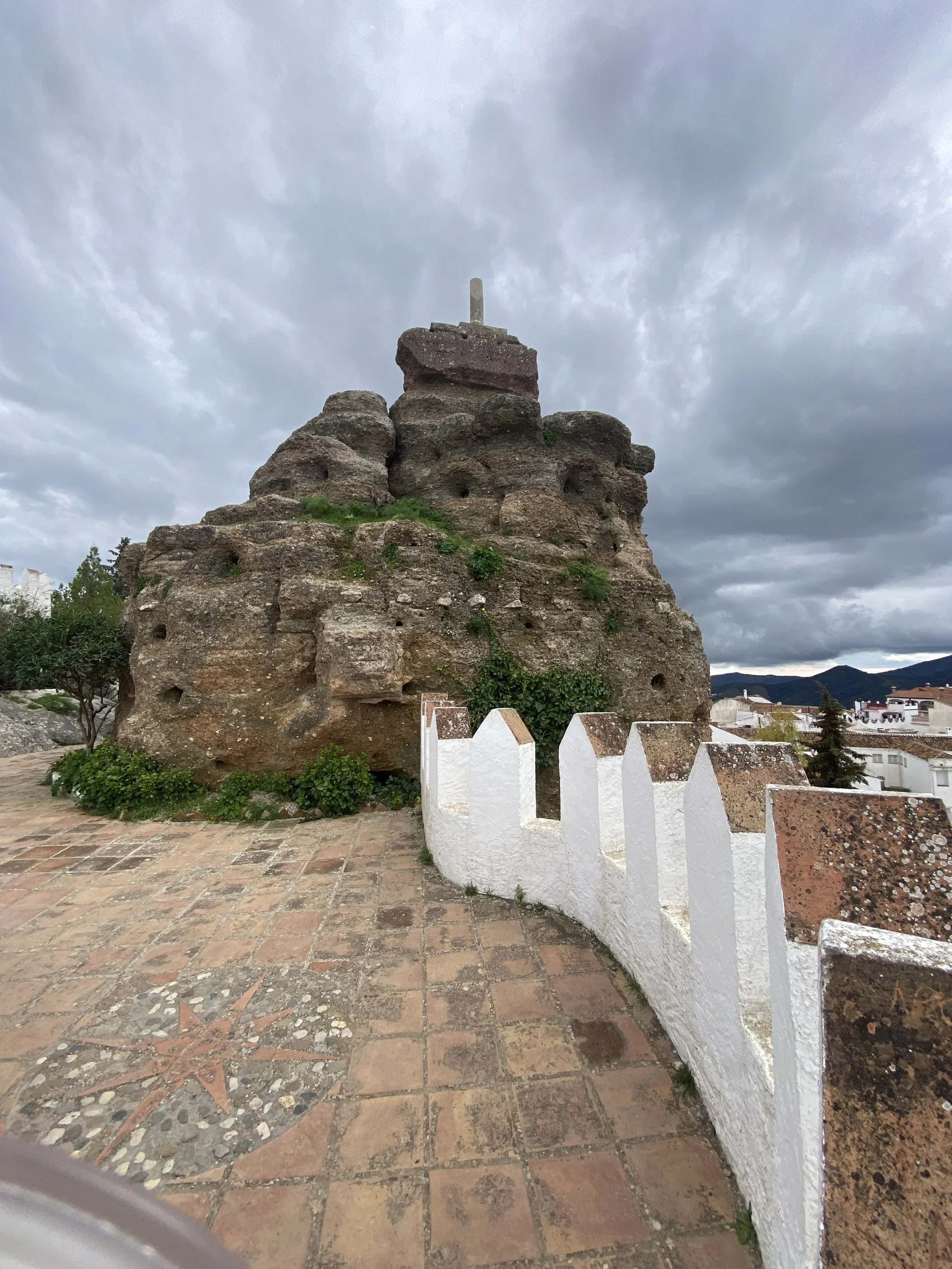
On the other side of the village, you will find the remains of the old fortress, including the historic Bastión de la Tahona, once part of the defensive walls that protected the settlement. Reaching it is part of the experience itself, especially if you follow the footsteps carved into the walking paths, which guide visitors along the historical route through the village. As you explore further, you may also come across the village cemetery, quietly overlooking the surrounding valleys. Like many Andalusian hilltop cemeteries, it sits in a peaceful spot with wide views across the countryside, offering a moment of calm reflection.
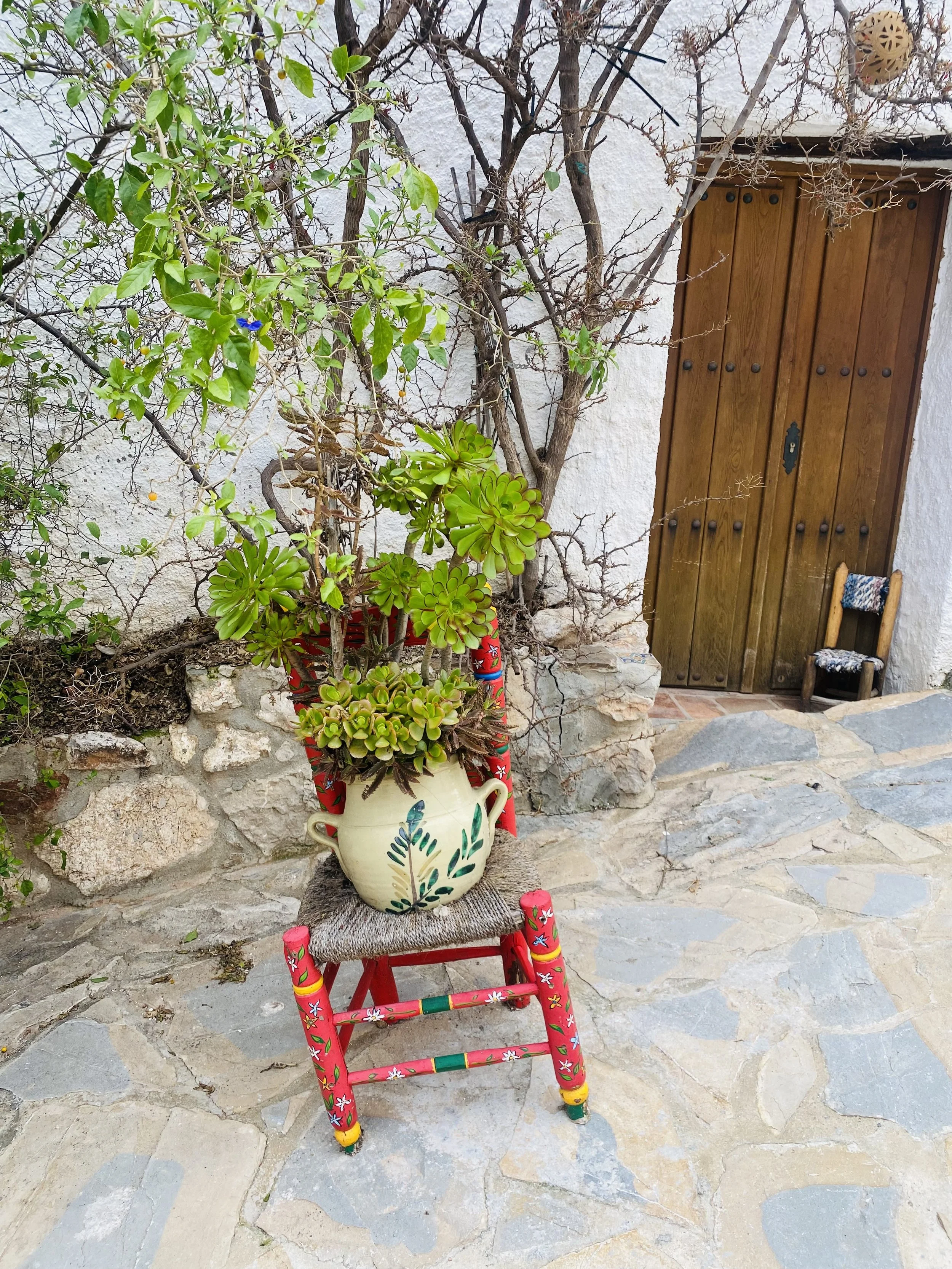
Wandering through Comares also reveals little streets filled with character, where residents have decorated their houses with colourful and sometimes wonderfully quirky flower pots hanging from walls and balconies. These playful touches add charm and personality to the already picturesque white streets. Life in Comares still reflects the traditions of the Axarquía. In Plaza de los Verdiales, the village celebrates one of Málaga’s most distinctive musical traditions. Verdiales music, played with guitars, violins and tambourines, fills the air during fiestas, bringing colour, rhythm and a deep sense of local identity to the village streets.
For those looking for something a little more adventurous, the village is also home to an exciting attractions in the region - the Tirolina de Comares. Stretching high across the valley, this zip line allows visitors to quite literally fly from one side of the ridge to the other while enjoying spectacular views of the surrounding mountains and countryside.
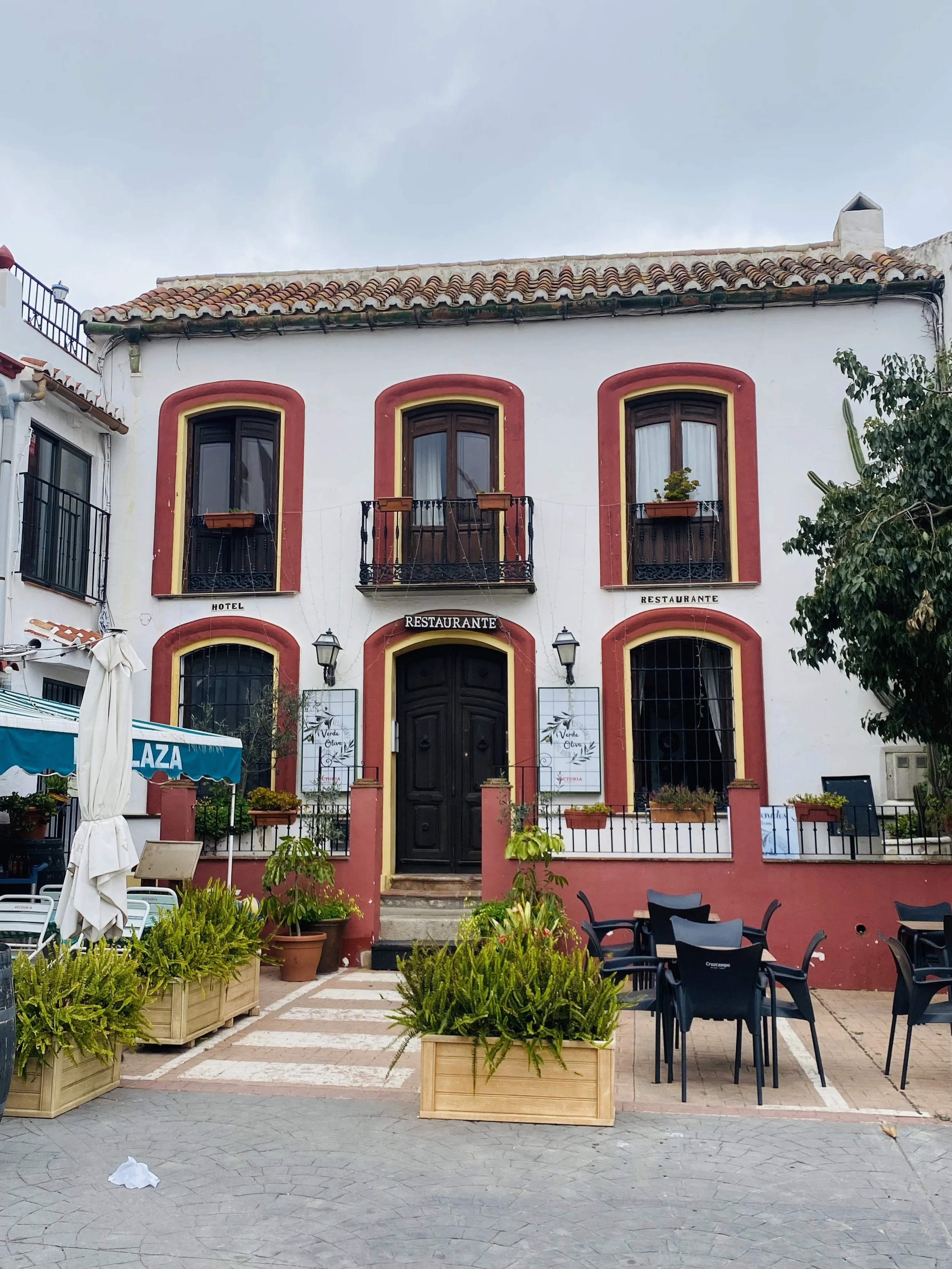
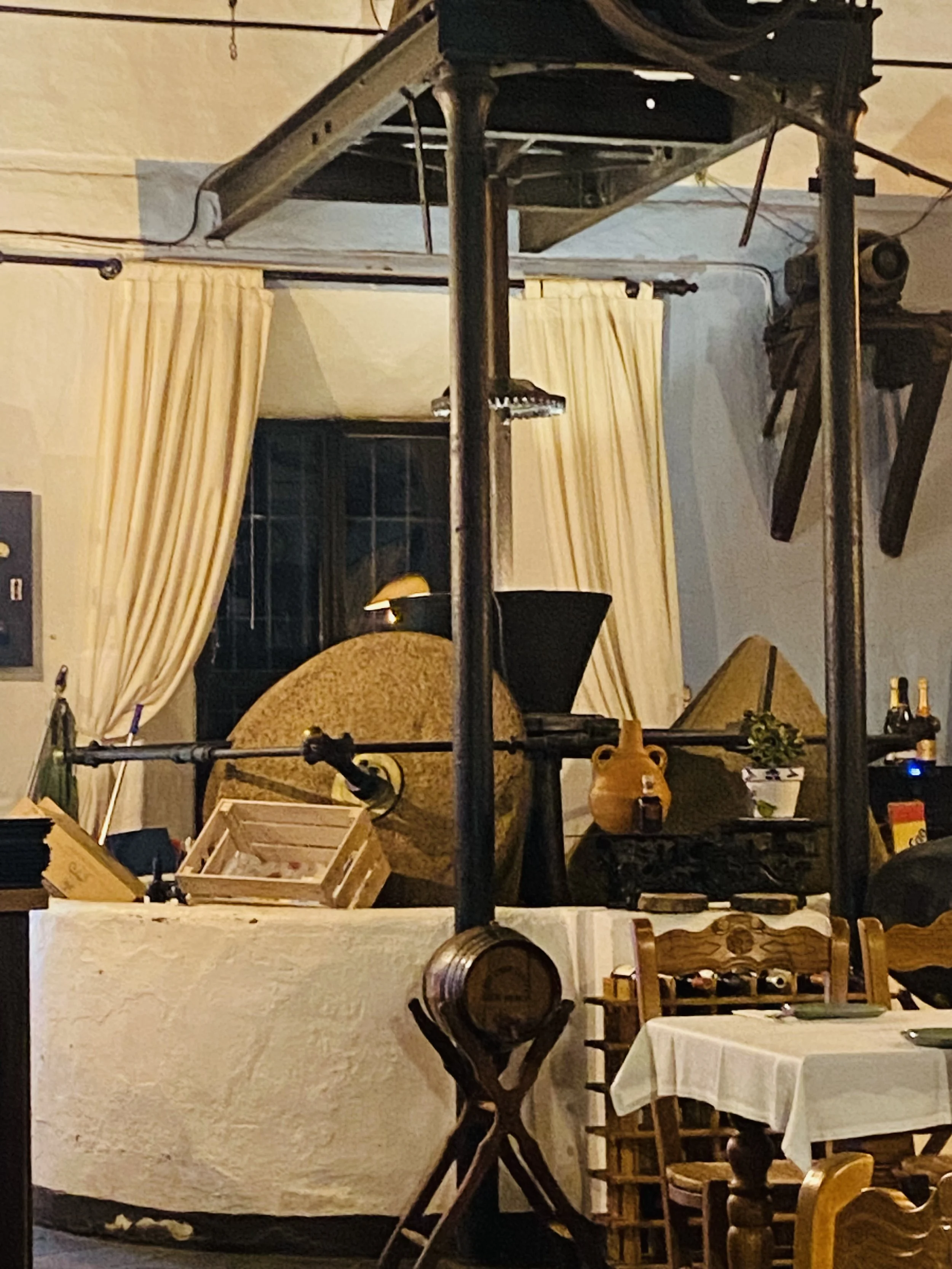
After exploring the streets and viewpoints, there are also welcoming places to pause and enjoy the slower rhythm of village life. Verde Olive Restaurant is a lovely spot to relax, inside its like a museum itself.
And if you come across the traditional local sweet known as Torta de Tahona, it is well worth trying. Like many of the flavours of this region, it reflects the simple, authentic culinary heritage of the Axarquía.
Standing at one of the miradores, looking out across the vast landscape of hills and valleys, it quickly becomes clear why the village has earned its name as the Balcony of the Axarquía. The scenery unfolds in every direction, sometimes even revealing a distant glimpse of the Mediterranean on a clear day.
Comares is a place where history, culture, adventure and breathtaking scenery come together in a truly special way. And once you have stood on that balcony and taken in the view, you may just find yourself wondering which hidden village of the Axarquía to explore next.