Macharaviaya - Axarquia Connected to the Americas and the Spanish Empire
Just 34 km from Nerja, around a 30-minute drive into the beautiful Axarquía countryside — Macharaviaya is one of Andalucía’s smallest villages, yet its story stretches all the way to the United States, Mexico and beyond.
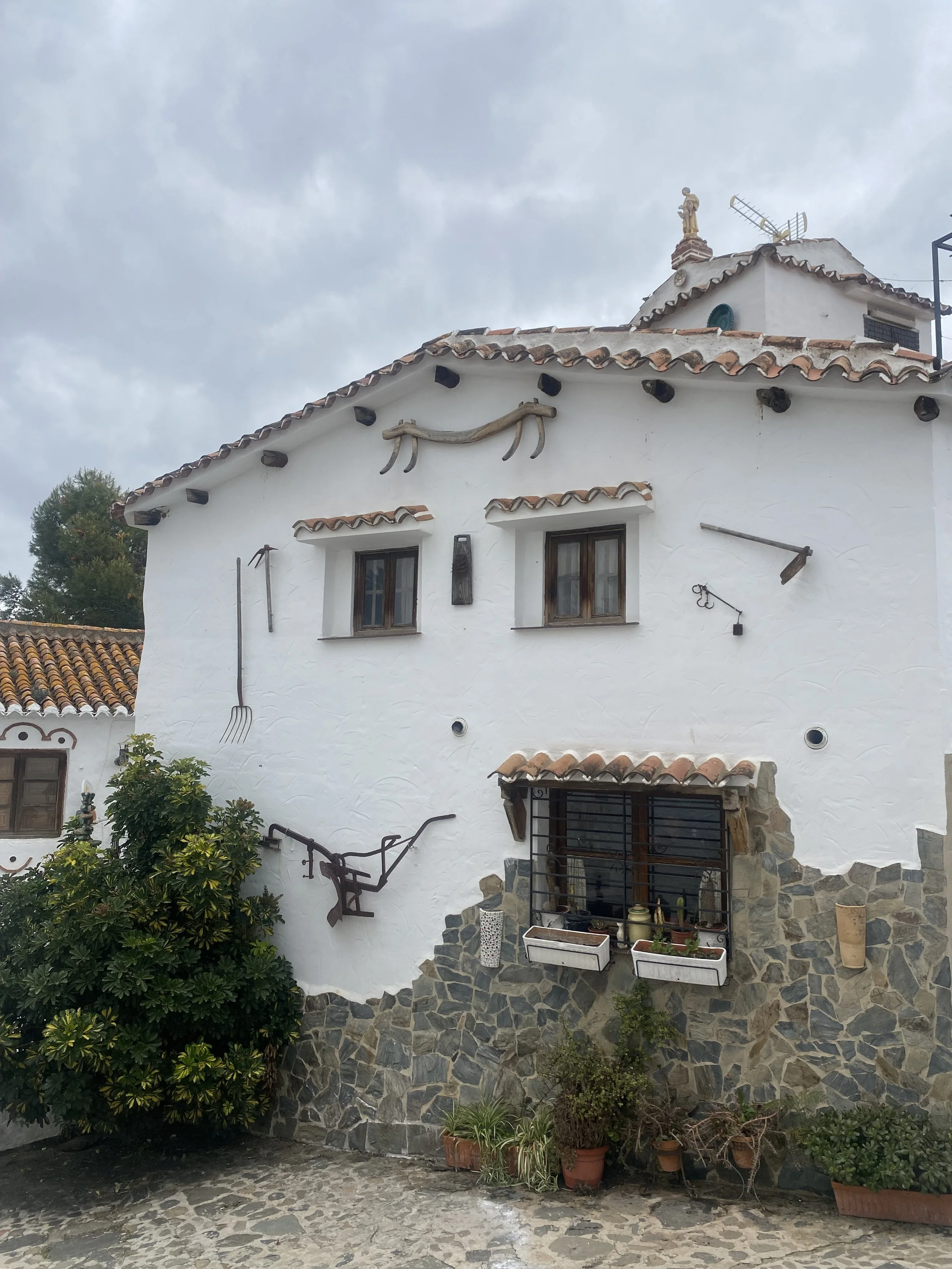
At first glance, Macharaviaya feels peaceful and understated. Whitewashed houses line quiet streets, flowerpots brighten hidden corners and the surrounding hills create the kind of landscape that instantly slows you down. But behind this calm atmosphere lies one of the most extraordinary stories in Málaga province.
During the 18th century, Macharaviaya became the home of the influential Gálvez family, a dynasty that would leave its mark across the Spanish Empire.
The family produced ministers, military leaders, governors and diplomats who served Spain throughout Europe and the Americas. Their influence became so significant that this tiny village was once nicknamed “Little Madrid.”
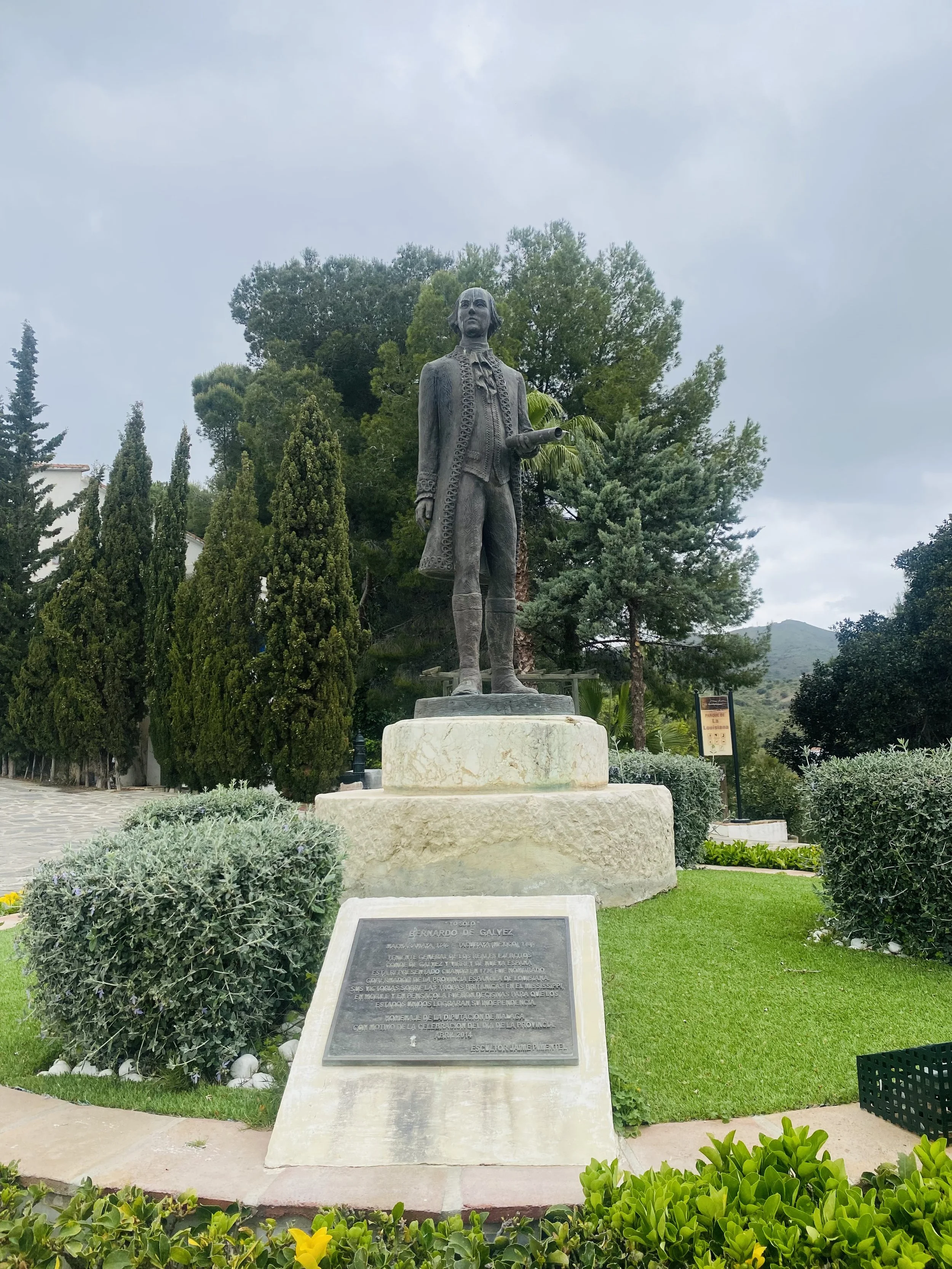
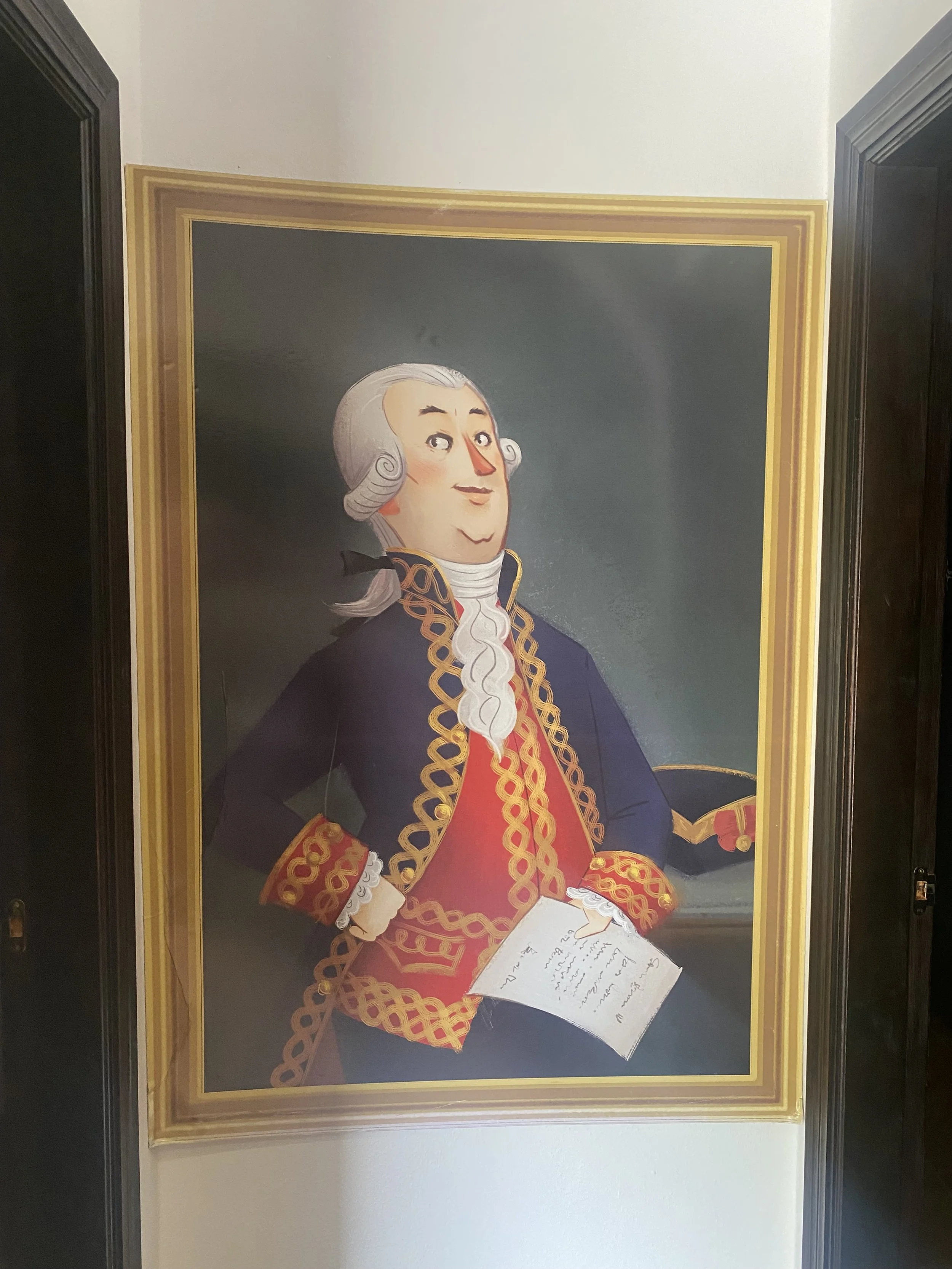
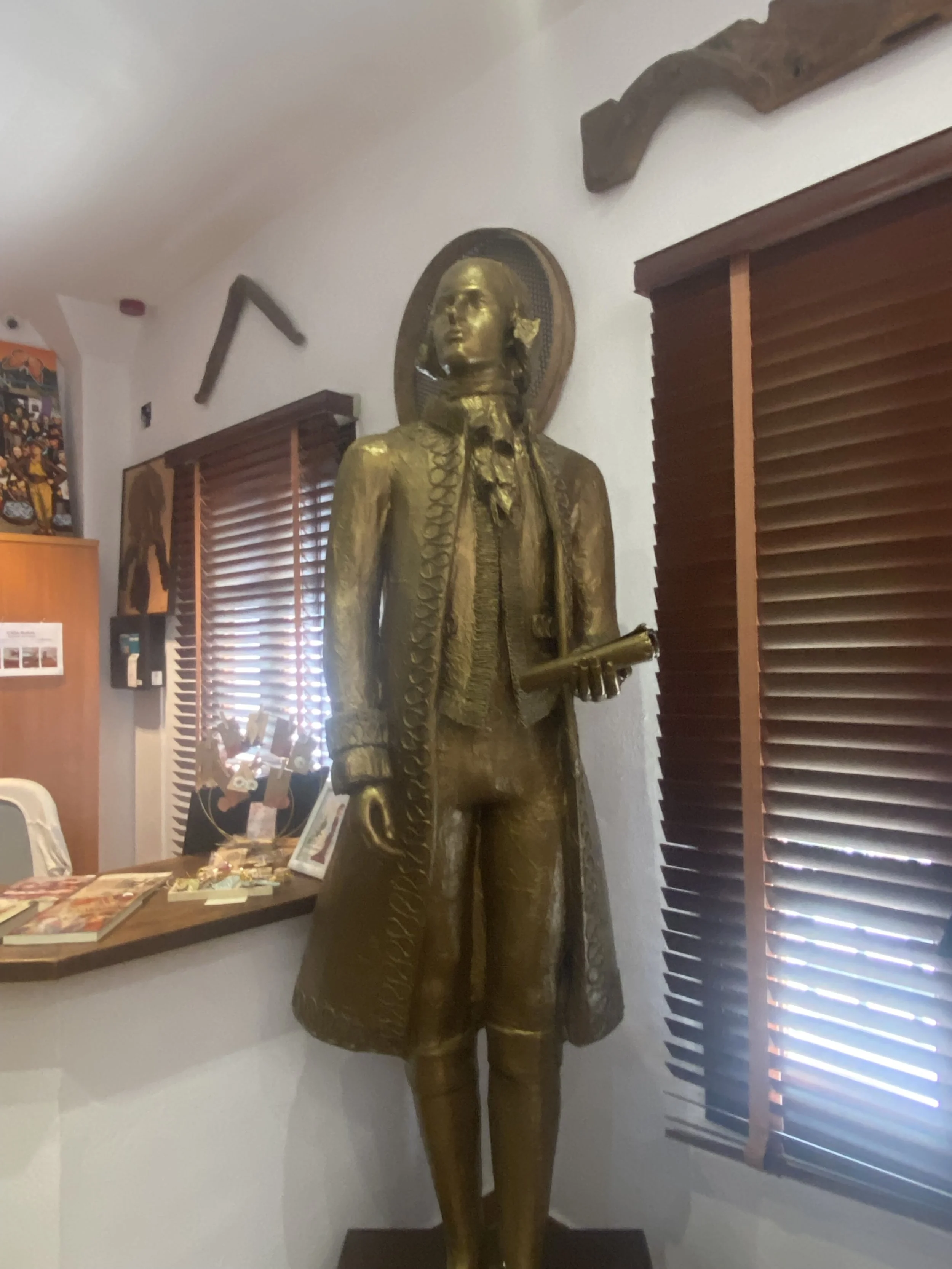
The most famous member of the family was Bernardo de Gálvez, born here in 1746. He later became Governor of Louisiana, Captain General of Louisiana and the Floridas, and eventually Viceroy of New Spain. Bernardo de Gálvez led successful military campaigns against British forces in Baton Rouge, Mobile and Pensacola, helping secure important victories along the Gulf Coast.
His achievements became so respected in the United States that the city of Galveston was named after him — along with Galveston Bay and Galveston County.
The family’s influence also extended across the western territories of Spanish North America, including areas connected to present-day California, Texas and Mexico during Spain’s colonial era.
Today, this connection between Andalucía and early American history remains one of the most fascinating parts of Macharaviaya’s identity. It feels almost surreal to stand in a tiny Axarquía village and realise its history helped shape events on another continent.
But the Gálvez family’s influence did not stop with war and politics.
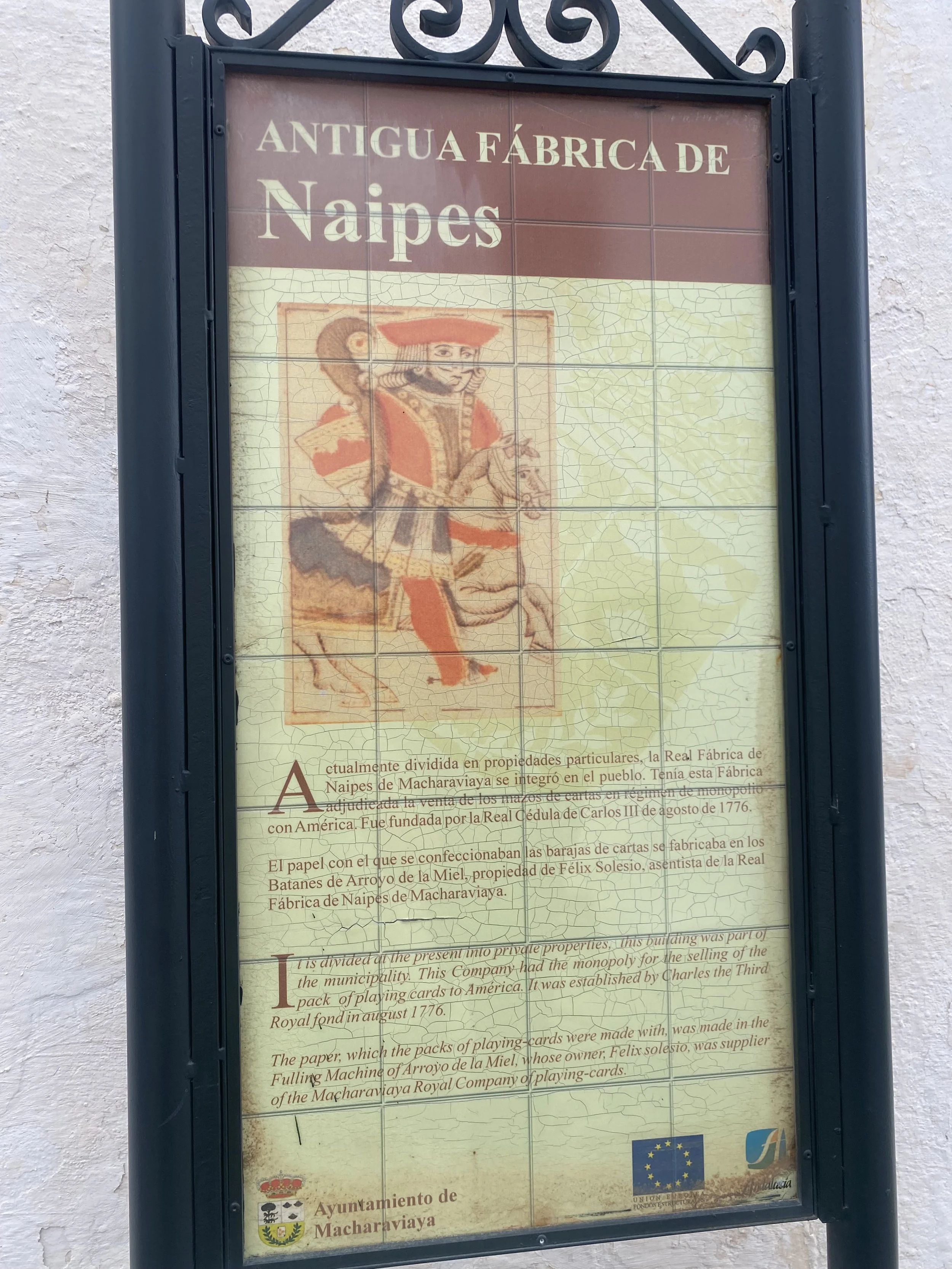
Under José de Gálvez, Minister of the Indies under King Carlos III, Macharaviaya was granted exclusive rights to supply playing cards to the Spanish colonies in the Americas through the Royal Playing Card Factory — the famous Real Fábrica de Naipes.
The playing card industry transformed Macharaviaya economically during its golden years. Paper mills were established nearby to support production, and trade connected the village directly with Spain’s overseas territories. The factory operated from the late 18th century into the early 19th century, helping bring prosperity and international importance to this otherwise tiny Axarquía village.
Even today, traces of that prosperous era remain woven into the village, and parts of the former factory buildings still survive within the town.
What to See in Macharaviaya
One of the highlights of the village is the Museo de los Gálvez, dedicated to the extraordinary story of the family and their connection to Spain and the Americas.
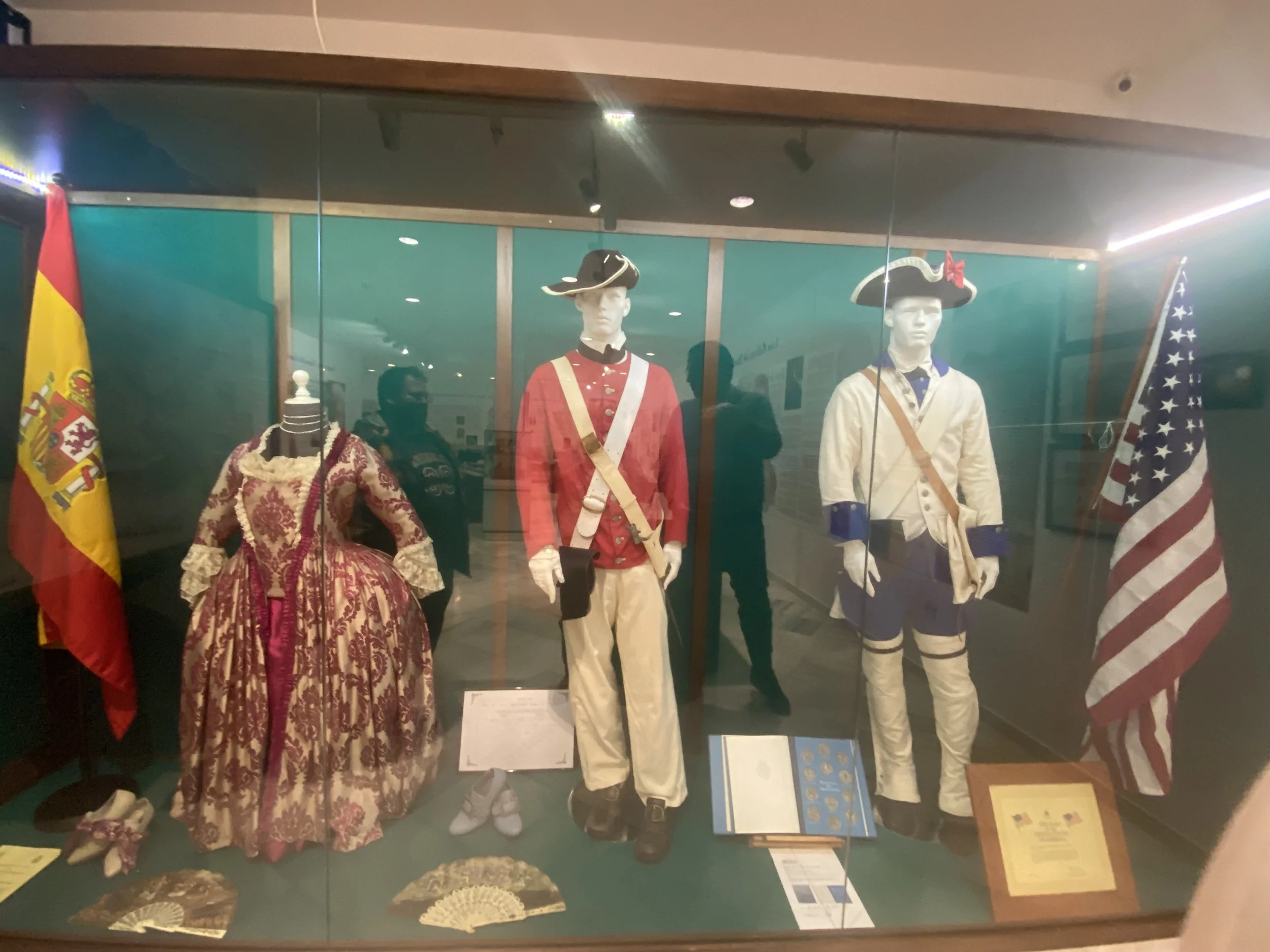
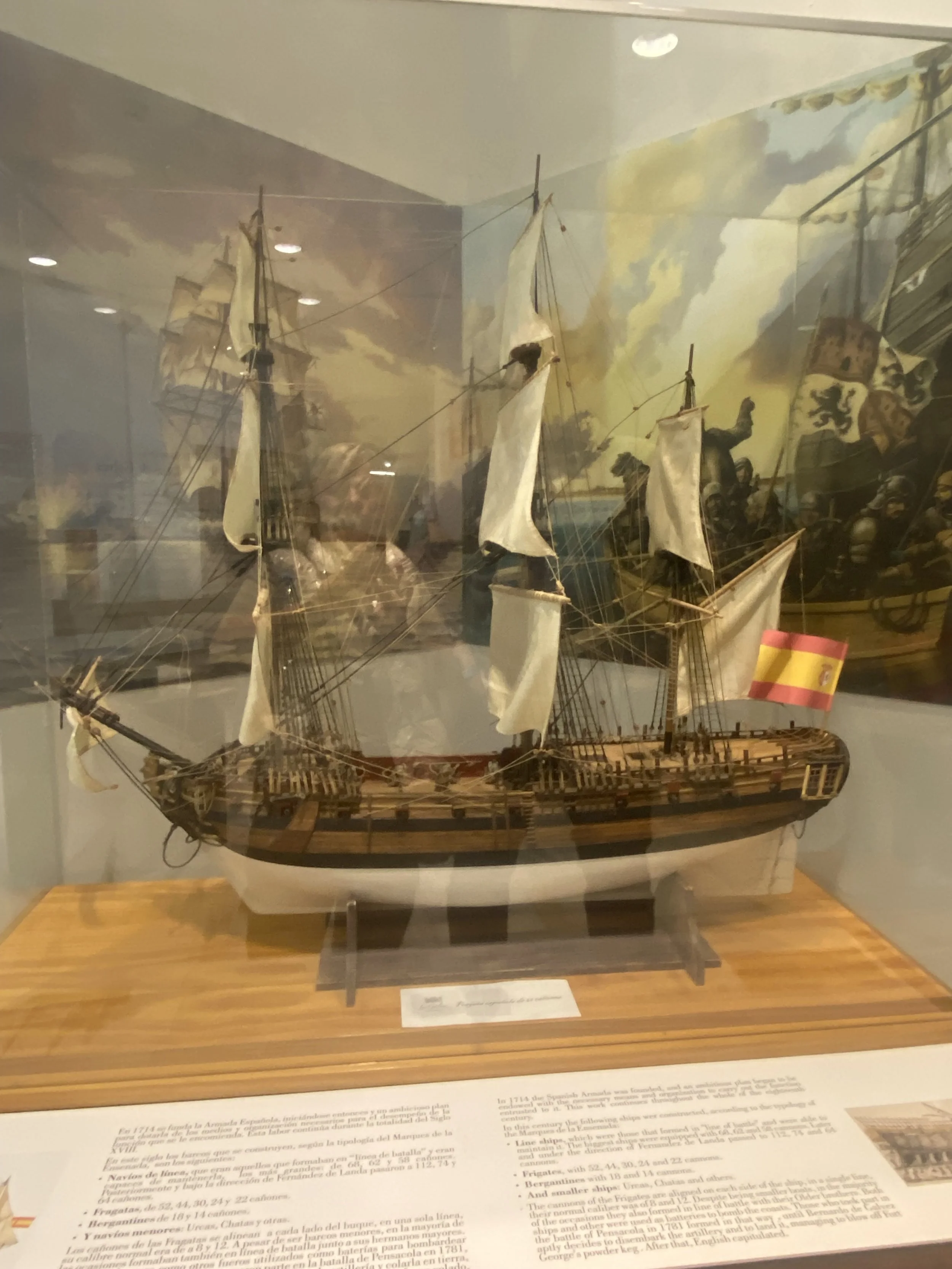
Inside, visitors can explore historical documents, maps, portraits, uniforms and exhibitions explaining Bernardo de Gálvez’s role during the American War of Independence, as well as the broader influence of the family across the Spanish Empire.
It is a surprisingly fascinating museum for such a small village and gives real context to why Macharaviaya became internationally important.
Iglesia de San Jacinto
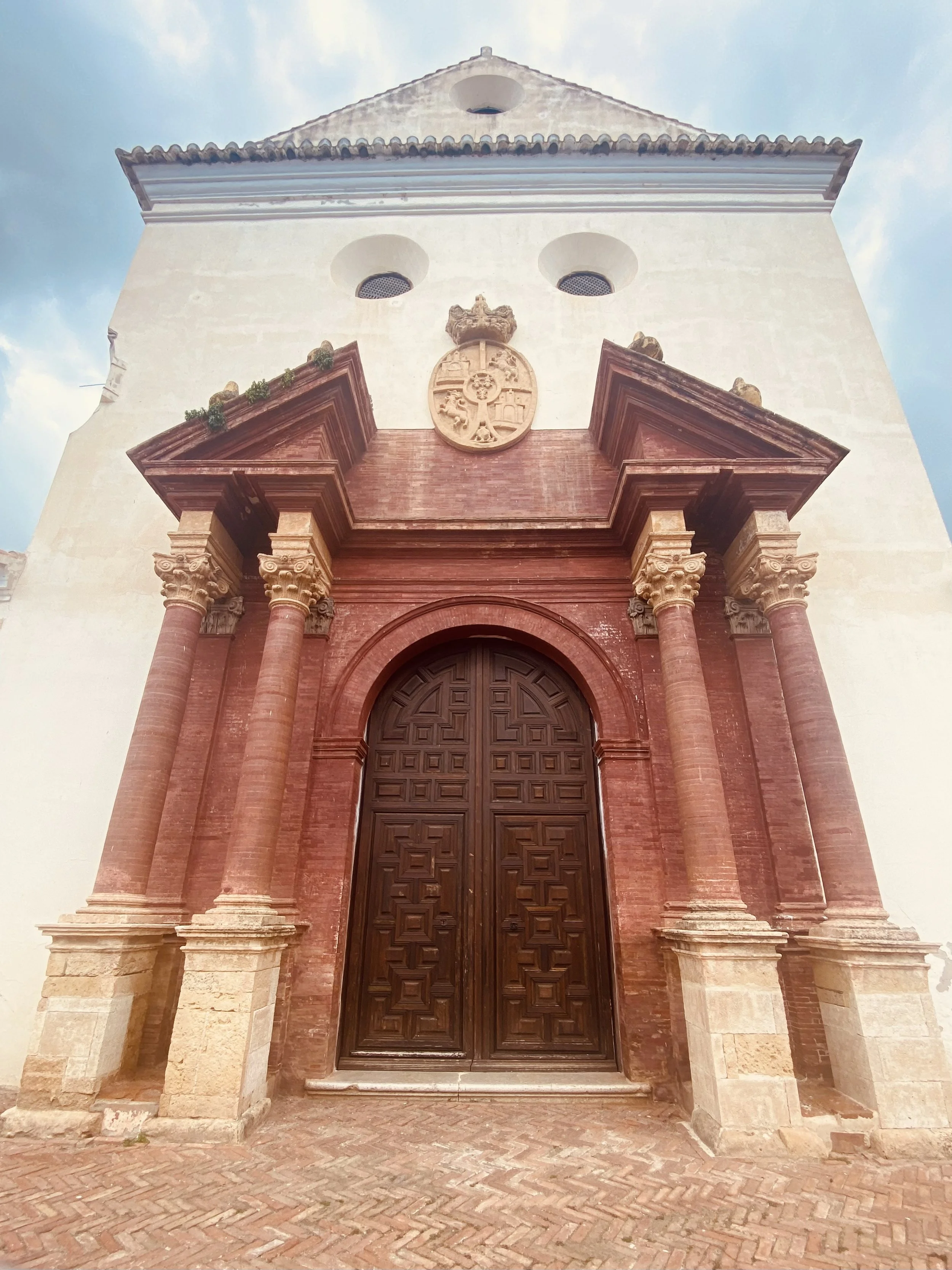
Standing proudly in the centre of the village, the Church of San Jacinto reflects the wealth and ambition of Macharaviaya during its golden era.
Originally dating back to the 16th century and rebuilt in 1783 thanks to the Gálvez family, the church feels remarkably grand for a village of this size. Beneath it lies the crypt of the Gálvez family, adding another layer of historical significance.
Salvador Rueda House Museum
Just a few minutes away lies the tiny hamlet of Benaque, birthplace of the poet Salvador Rueda, considered one of the important early figures of modern Spanish poetry.
His charming house museum offers another layer to the area’s cultural heritage, with traditional rooms, manuscripts, photographs and exhibits dedicated to his life and work. The peaceful setting gives visitors a glimpse into rural Andalusian life from another era.
Combining Macharaviaya with Benaque makes for a perfect cultural and historical inland escape from Nerja.
The Gálvez Monument and Historic Streets
As you wander through the village, you will also find references to the Gálvez family throughout the streets and plazas. Near the entrance stands the Templete de los Gálvez, a monument honouring the family’s remarkable legacy.
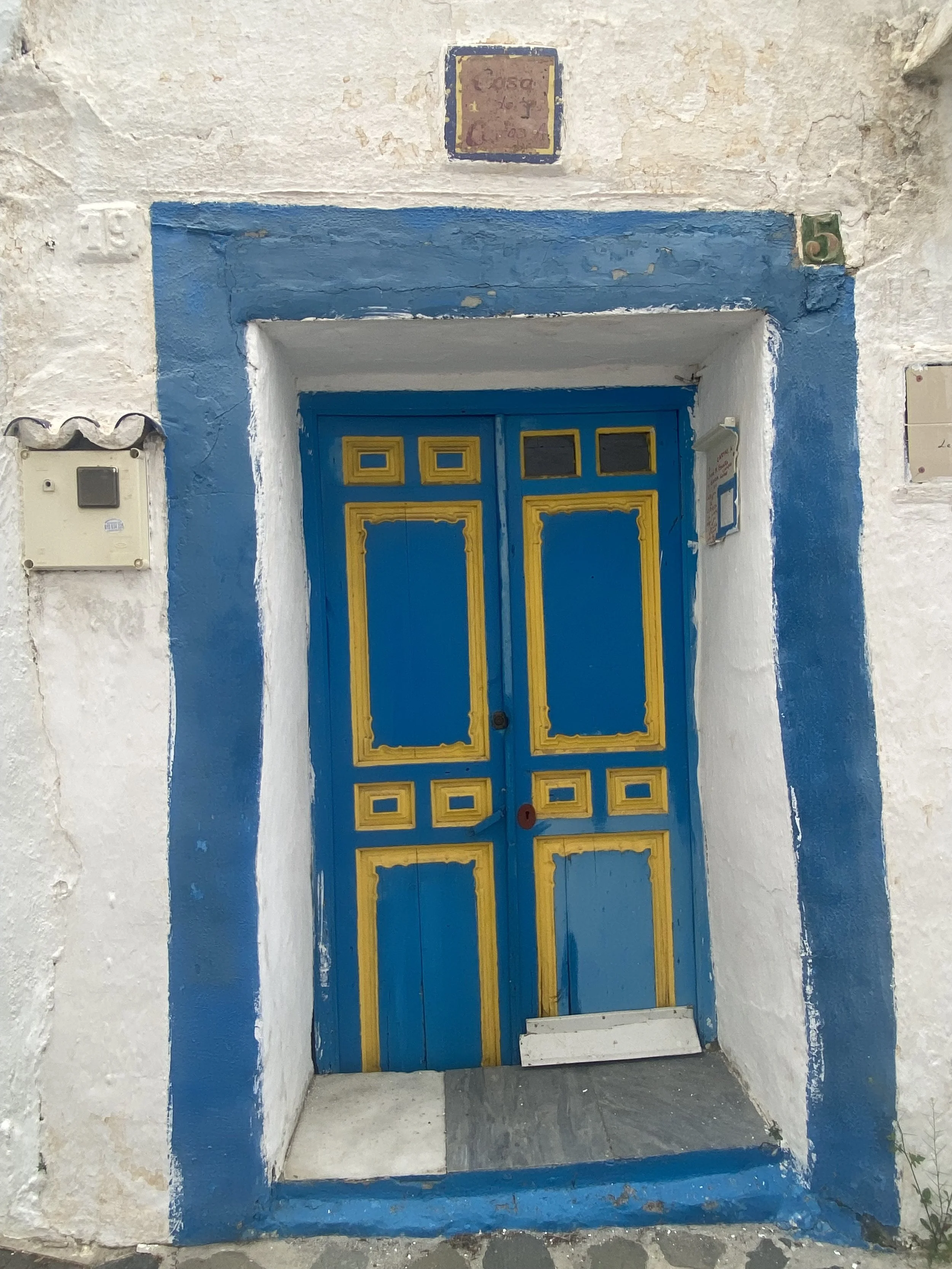
The streets themselves are part of the experience — peaceful, authentic and filled with quiet reminders of the past.
A Village That Still Celebrates Its American Connection
One of the most unique things about Macharaviaya is that the village still celebrates its connection to the United States every summer.
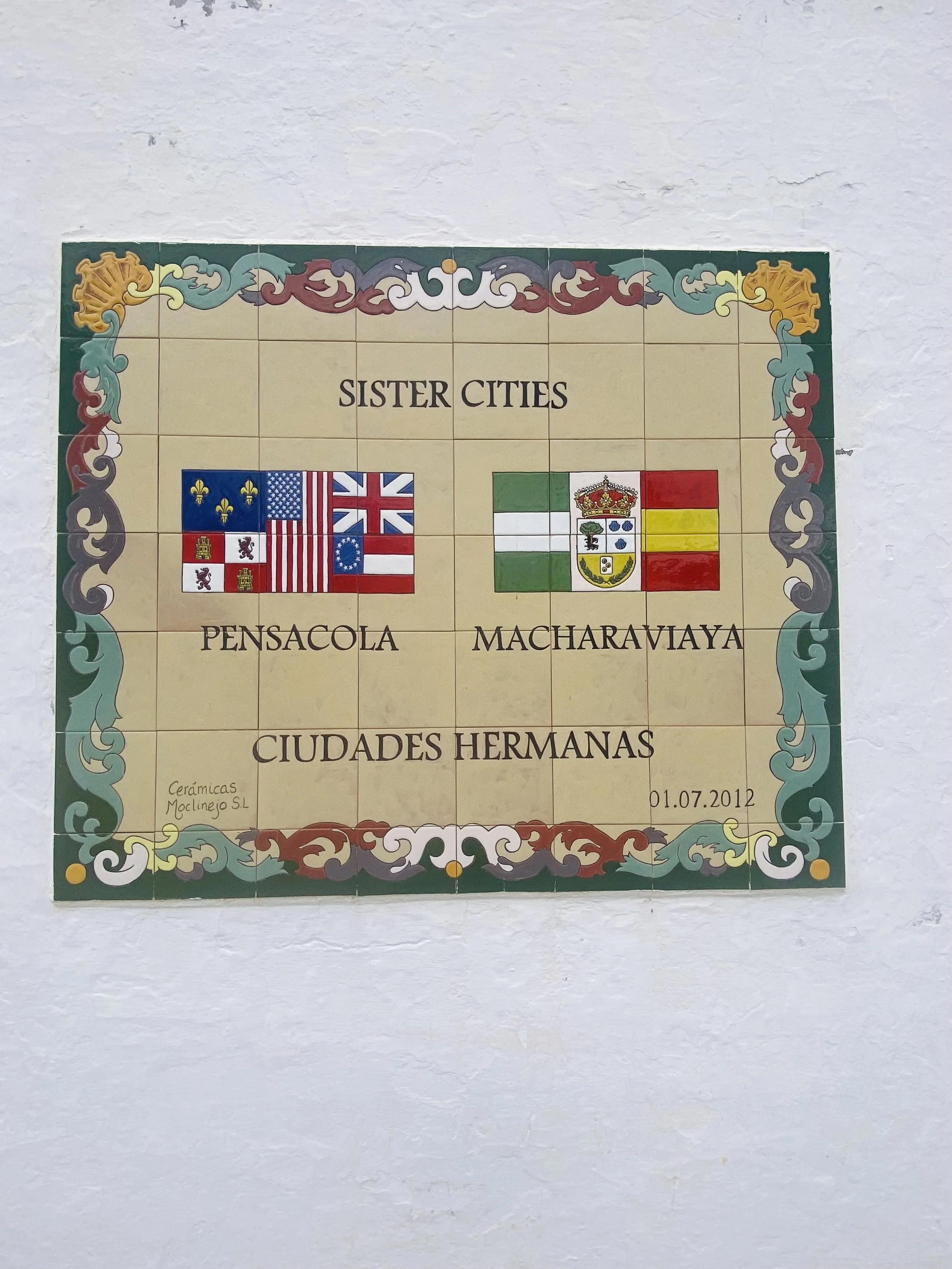
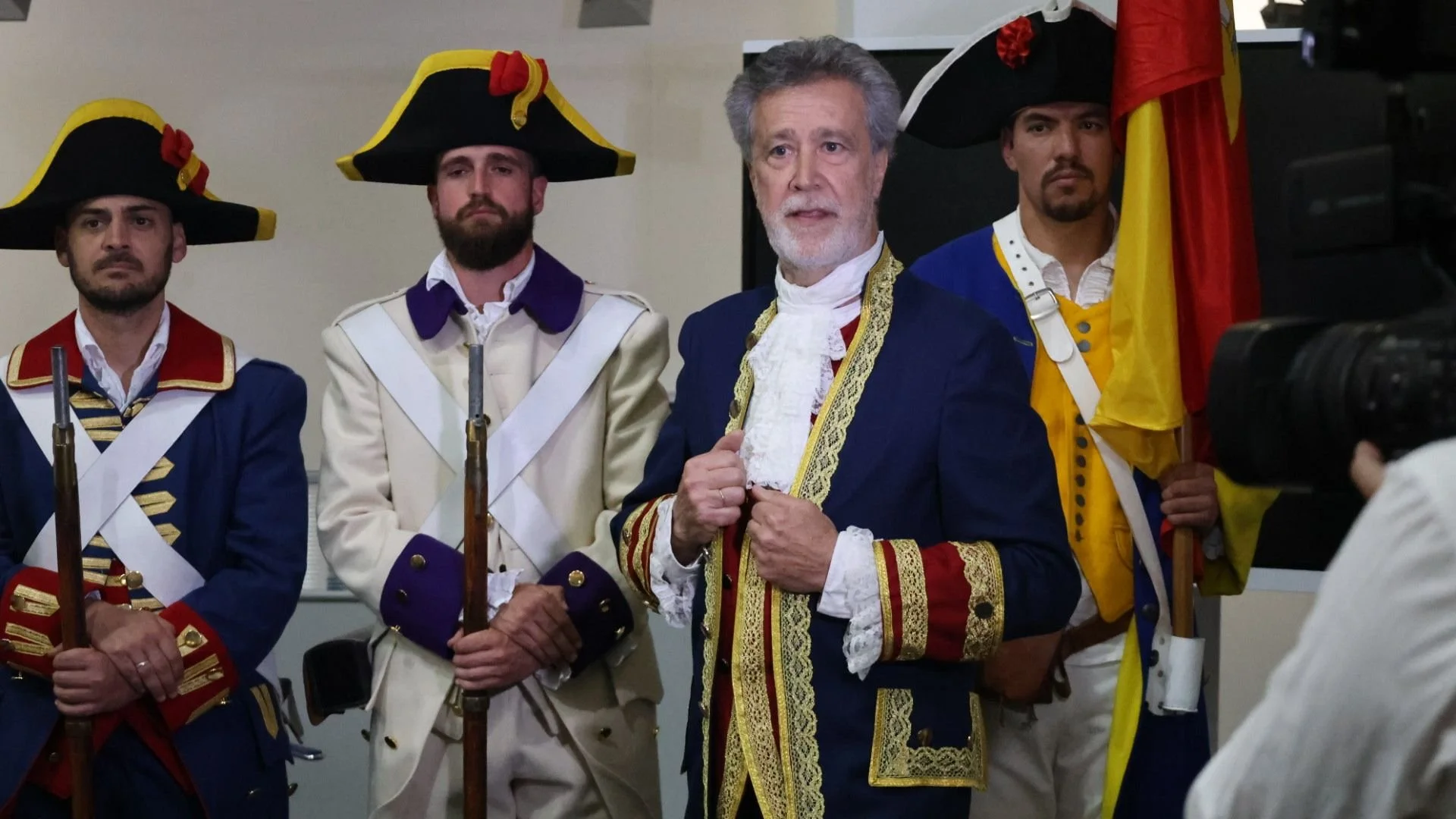
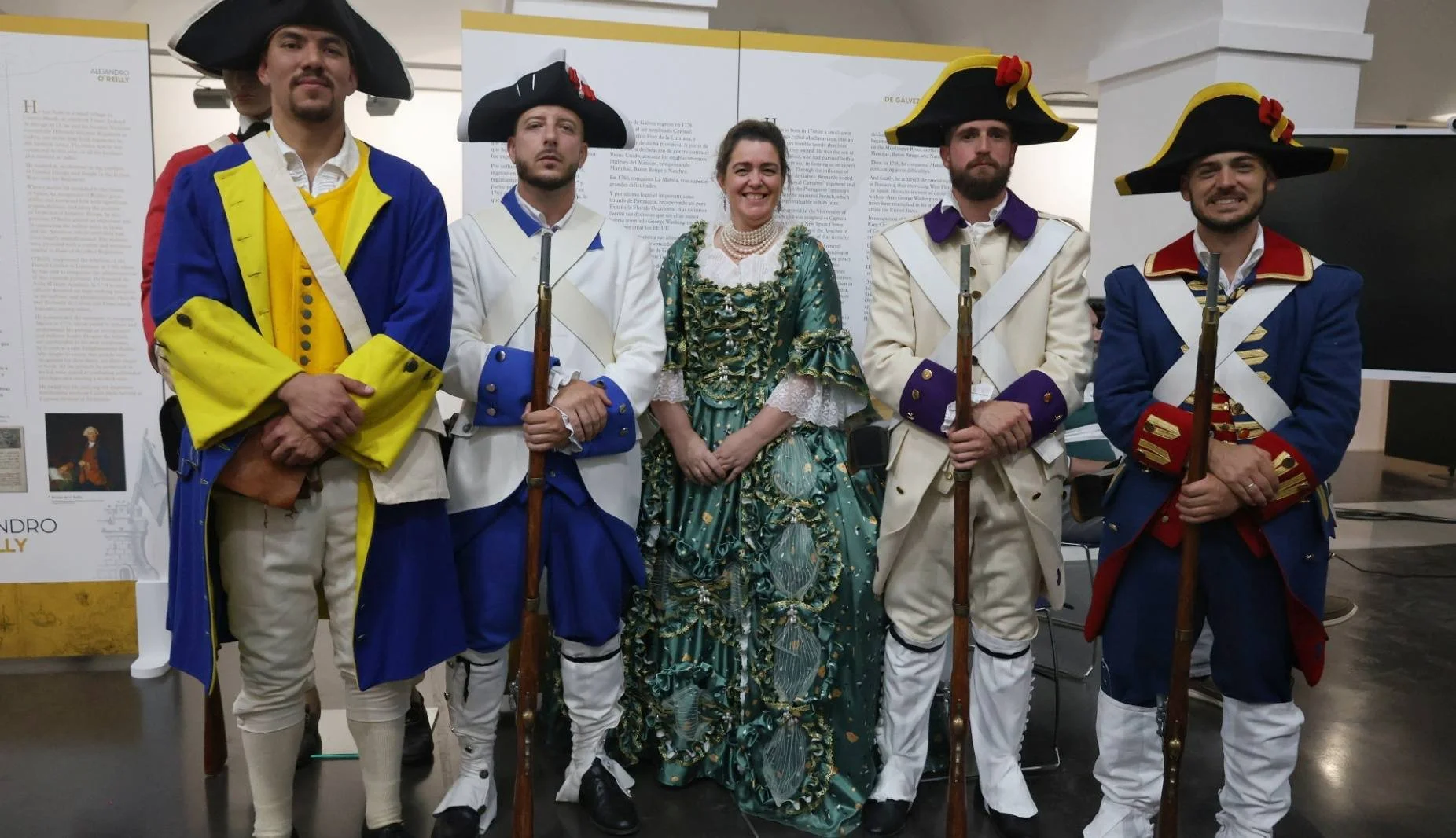
Each July, Macharaviaya commemorates the American Independence era with historical reenactments linked to the Battle of Pensacola — Bernardo de Gálvez’s most famous military victory against the British in 1781. The village fills with period costumes, parades, historical displays and celebrations that honour the extraordinary role this tiny Axarquía village played in world history.
It is one of the very few places outside the United States where the American War of Independence is still publicly commemorated in this way.
A Different Kind of Local Escape
Beyond the monuments and museums, part of the charm of Macharaviaya is simply slowing down.
This is not a place of large tourist crowds or busy attractions. It is a village for wandering, sitting quietly in a sunny plaza, admiring the surrounding hills and discovering another side of Axarquia, up the mountains away from the coast. And somehow, the connection between this tiny white village in the Axarquía and places like Galveston Bay, Galveston County and Texas itself makes the story feel even more extraordinary.